Last updated November 18, 2026






Free written scope consultation - allowances, timeline, and change-order rules on paper before a single trade is scheduled
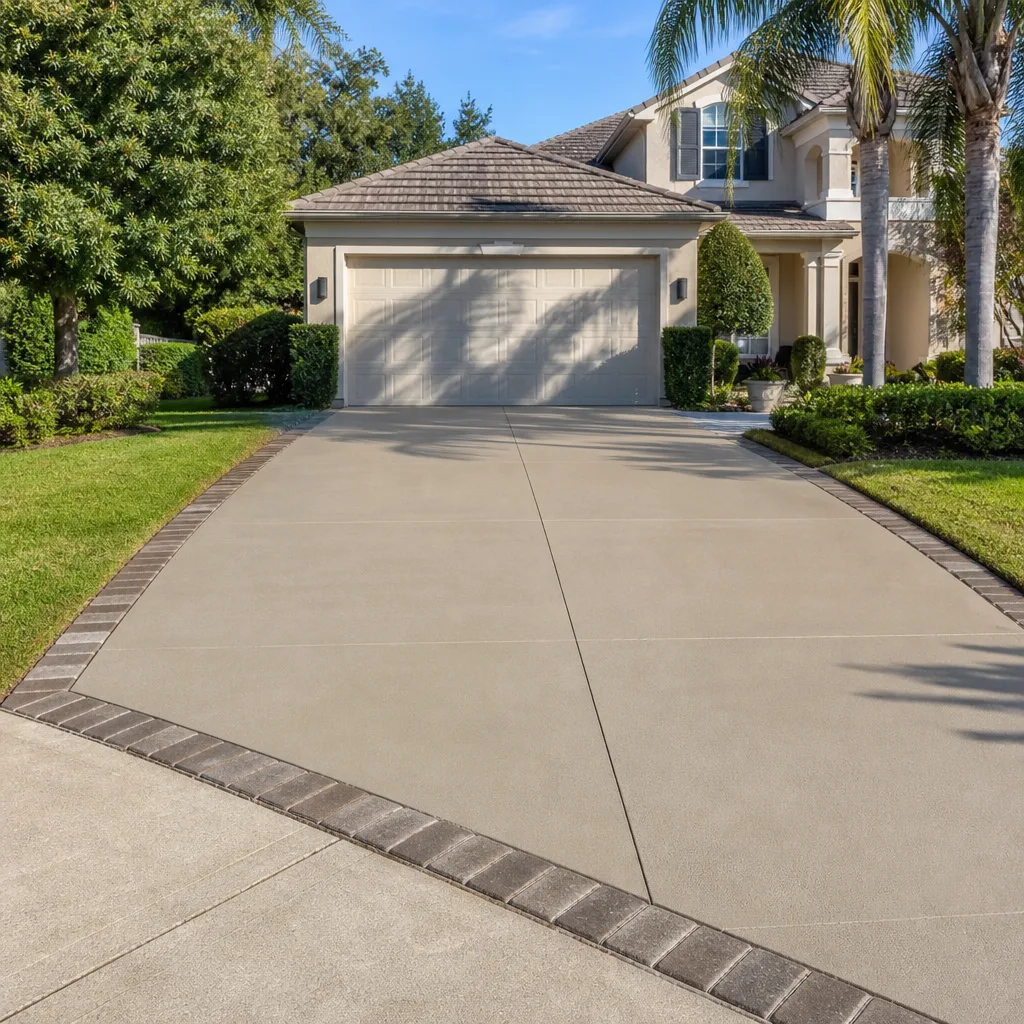
Driveway & Pavers Maintenance Checklist for Boulder City Homeowners
Concrete pavers rated for freeze-thaw cycles can still fail in Boulder City. Not from cold, but from caliche subgrade that expands when it finally gets wet, and from installers who don’t account for it in base prep. Most driveway maintenance guides are written for wet, temperate climates, and they don’t translate here. This one is built around how hardscape actually ages in the desert: 110°F surface temperatures, monsoon runoff, winter temperature swings, and soil that behaves nothing like the clay and loam those other checklists assume. You’ll get a seasonal inspection schedule, the visual cues that warn you a paver lift is starting, sealer trade-offs under sustained UV, and the upkeep records that protect a warranty claim. If you’re maintaining a driveway in Boulder City, this is the checklist to keep.
Quick Answer
Maintain a paver driveway in Boulder City by inspecting three times a year (before monsoon season, after it, and during winter temperature swings), refilling polymeric sand joints as soon as they erode, and keeping caliche-driven edge lift from turning into a full re-base job. Choose a penetrating sealer over a film-forming one in this UV environment, document every repair with photos and dates, and never pressure-wash at high settings or skip joint sand refills, because those are the maintenance lapses that void most paver warranties.
Styles & brands we work with
- Kitchen remodeling
- Bathroom remodeling
- Home additions & ADU
- Roofing
- Windows & doors
- Driveway & pavers
- Fence
Table of Contents
- Why Desert Paver Maintenance Is Different in Boulder City
- The Boulder City Seasonal Inspection Schedule
- Spotting Caliche-Driven Paver Lift Before It Becomes a Re-Base
- Polymeric Sand in a Desert UV Environment
- Sealer Selection: Penetrating vs. Film-Forming Under Desert Sun
- What Maintenance Voids Your Paver Warranty (And How to Protect It)
- Cleaning, Weed Control, and Drainage Checks
- What Paver Maintenance and Repair Costs in Boulder City
Why Desert Paver Maintenance Is Different in Boulder City
Boulder City sits on ground that most hardscape guides never address. The soil beneath your driveway is likely caliche, a heavily cemented layer that’s essentially rock when dry. It doesn’t drain the way gravel or sand does, and it doesn’t flex the way a proper aggregate base should. When water finally reaches it after a monsoon storm or a plumbing leak, caliche can swell and shift. A paver system built on that layer without the right base preparation and drainage will begin moving at the edges first.
The second factor is heat. Paver surfaces in full Boulder City sun routinely climb well past air temperature. That sustained heat does two things to a maintenance program. It accelerates the breakdown of polymeric sand, and it ages sealers far faster than manufacturers’ standard timelines assume. A product rated to last several years in a mild climate can thin out much sooner under relentless desert UV.
The third factor is the myth of low maintenance. Pavers are durable, but “install it and forget it” only works in climates with gentle, predictable weather. Boulder City is the opposite: long dry stretches, sudden intense rain, and winter nights that dip below freezing after 70°F afternoons. That swing cracks the best-laid joint sand if you’re not watching it.
What that means for you: your maintenance calendar should follow desert weather events, not a generic spring-and-fall routine. And if your driveway is already showing movement, it may be a base problem, not a surface one. Our driveway & pavers page covers how the right base and drainage get built in the first place.
The Boulder City Seasonal Inspection Schedule
Walk your driveway three times a year, timed to the actual weather events that stress it. Each inspection takes 20 to 30 minutes and catches the small failures before they compound. Here’s how to run each one.
Inspection 1: Pre-Monsoon (late spring, before summer storms)
- Walk the perimeter and look for gaps where pavers meet the slab, curb, or landscape edging. Water will exploit any gap first.
- Check that every joint is filled to the surface with polymeric sand. If you can see daylight or the paver shoulders, the sand has eroded.
- Look at the drainage path. In Boulder City, water should move off the driveway and away from the foundation. If you see erosion channels in adjacent gravel or soil, the pitch has shifted.
- Hose-test a small area near the lowest point. Watch how fast water drains off the surface and whether it pools at the edges.
- Photograph everything, including a date marker in the frame. This is your warranty record.
Inspection 2: Post-Monsoon (early fall, after summer rain)
- Look for newly exposed joint sand, especially along the low side of the driveway and near downspouts.
- Tap the pavers with a screwdriver handle. A hollow sound means the bedding layer has lost contact and the paver is sitting loose.
- Check for any pavers that have lifted at a corner or edge. Mark them with chalk before you lose track.
- Inspect the transition where the driveway meets the street or garage apron. This is the highest-stress joint and the first to fail.
Inspection 3: Winter Temperature Swing (mid-winter)
- After a below-freezing night, walk the driveway and look for hairline cracks in the pavers or new separation at the joints.
- Check for frost heave at the edges. Even mild freeze cycles lift poorly drained subgrade.
- Recheck the polymeric sand one more time. Cold nights after warm days pull moisture into the joints, and the sand breaks down faster when it’s been wet and refrozen.
- Note any new weed growth in the joints. Winter moisture plus sunlight is enough to germinate seed in an eroded joint.
Keep a simple log: date, weather spike in the prior weeks, what you found, and what you did. That log becomes your defense if a paver or joint failure turns into a warranty conversation. And it helps any contractor diagnosing the problem see the pattern, not just the snapshot.
Spotting Caliche-Driven Paver Lift Before It Becomes a Re-Base
Not every lifted paver means a full re-base, but in Boulder City most edge lift traces back to the subgrade. The single most important skill in maintaining a desert driveway is learning to read the early signs. Caught early, edge lift is a repair. Missed, it becomes a rebuild.
Here are the visual cues to watch for, in the order they typically appear:
- Joint-line opening at the edges. The very first sign is a widening gap along the driveway perimeter, where the paver field meets the border course or the concrete edge. Caliche expansion pushes the whole field outward, and the first place it shows is the edge.
- A lip you can catch with a fingernail. If one paver is sitting a few millimeters proud of its neighbors, the bedding under it has lost support. Run your hand along the low-side edge; you’ll feel it before you see it.
- Zipper cracking down a straight line. When several joints in a row open up at once, that’s usually a base failure beneath that line, not a surface problem. Zipper cracks follow the direction water is moving under the pavers.
- Tenting at the driveway-to-garage transition. If the pavers are lifting toward the garage apron, the soil is pushing from below. This is the hardest one to reverse without excavation.
- New hollow spots. A paver that clicks or sounds hollow when tapped is no longer fully supported. Two or three hollow pavers in a cluster are a warning; a dozen are a re-base candidate.
If you see any of these, don’t wait for the next inspection cycle. Take photos with a tape measure in frame showing the gap width, note the date, and get a professional assessment. The difference between a $200 repair and a $6,000 re-base often comes down to how fast you act on a 3-millimeter gap. Our Boulder City Construction team sees both versions every season.
Polymeric Sand in a Desert UV Environment
Standard manufacturer guidance for polymeric sand assumes moderate UV and regular rainfall. Neither applies here. In Boulder City, sustained sun breaks down the polymer binder faster, and long dry stretches mean the sand doesn’t get the moisture it needs to re-cure after settlement. The practical result: plan to top off your joint sand more often than the label suggests.
How often, exactly? It depends on sun exposure and traffic, but as a working rule:
- Full-sun driveways with regular vehicle traffic: inspect joints every spring and fall, and top off any joint that’s dropped below three-quarters depth.
- Partially shaded driveways: one thorough annual check, plus spot repairs after monsoon season.
- Low-traffic or decorative areas: inspect annually and after any significant storm.
What to look for when the sand is failing:
- Sand sitting loose on top of the pavers instead of packed in the joints.
- Joints that crumble when you press them with a screwdriver.
- Weed growth appearing in joints you filled the year before.
- A grit texture underfoot after rain, which means sand is washing out.
When you refill, use a polymeric sand rated for high heat and UV, and follow the manufacturer’s cure instructions exactly. Don’t refill right before a rain event, and don’t refill in the middle of the afternoon heat, because the polymer needs proper curing conditions. If you’ve never done it, it’s a job worth watching a pro do once. The technique is simple but the margin for error is thin: too much water and the polymer washes out, too little and it never binds.
Sealer Selection: Penetrating vs. Film-Forming Under Desert Sun
Sealer choice is the maintenance decision most Boulder City homeowners get wrong, usually because they buy whatever worked in a wetter climate. There are two broad categories, and in a desert UV environment they behave very differently.
Penetrating sealers
Penetrating sealers soak into the paver surface and protect it from within. They don’t form a layer on top, so they don’t peel, blister, or turn milky under UV. Brands like Techniseal and SRW Products make penetrating formulations that hold up well in sustained heat. You generally get a natural, low-sheen finish, and reapplication is straightforward: clean the surface, let it dry, reapply. If you want your pavers to look like pavers, this is the category to look at.
Film-forming sealers
Film-forming sealers sit on top and give a glossier, more uniform look. The trade-off in Boulder City is real: UV degrades the film, it can yellow or cloud, and when it starts to fail you can’t just spot-repair it, you have to strip the whole surface. That’s a substantial expense. If you love the wet-look finish, a film-forming sealer can work, but plan on more frequent reapplication and accept that stripping costs are part of the lifecycle.
Our honest recommendation for most desert driveways: a high-quality penetrating sealer, reapplied on a schedule set by your own observations rather than the label. Note when water stops beading on the surface; that’s your cue, not a calendar date. A sealer that still beads after two years is doing its job; one that’s soaking in after eight months needs attention regardless of what the can said.
What Maintenance Voids Your Paver Warranty (And How to Protect It)
Paver and sealer warranties have exclusions, and most of them are triggered by maintenance choices rather than manufacturing defects. If you ever need to file a claim, the company will ask what you did to the driveway. Having a documented answer is the difference between a covered repair and a denied one.
The maintenance habits that most often void a claim:
- High-pressure washing. Blasting a paver surface at high pressure strips the sealer, erodes joint sand, and can chip the paver face. Use a low-pressure setting and a wide fan if you wash at all.
- Chemical cleaners not rated for pavers. Acid-based cleaners and muriatic acid can etch the surface and void the finish warranty. Read the label.
- Skipping joint-sand refills. Once joints erode, pavers lose their interlock and begin to shift. Manufacturers treat this as a maintenance failure.
- Ignoring visible lift or movement. A documented problem you didn’t fix is hard to defend. A problem you reported and repaired is easy.
- Unauthorized repairs by an unqualified party. If a repair is done outside the manufacturer’s installation guidelines, the warranty on that area can be voided entirely.
How to document your upkeep so a claim holds up:
- Keep a maintenance log with dates, what you did, and who did it. A notes app is fine.
- Photograph the driveway after each professional service and any time you notice a change.
- Keep receipts for sealer, sand, and any repair work, along with the product names and lot numbers if available.
- Report any movement, lift, or cracking to a professional within a reasonable window, and record that you did.
- Keep the original installation paperwork and warranty documents together in one place.
If your driveway was installed by someone else, ask for the warranty documentation now, before you need it. A paver system without its paperwork is a paver system without leverage.
Cleaning, Weed Control, and Drainage Checks
Routine cleaning keeps the surface performing and gives you a clear look at what’s happening underneath. Do it at the start of each inspection cycle.
- Blow or sweep debris off the surface. Desert dust, sand, and leaf litter trap moisture against the pavers and encourage weed germination in the joints.
- Pull weeds by hand while they’re small. A weed that comes out easily is one whose roots haven’t yet widened the joint. A weed that resists has probably already damaged the sand.
- Wash with low pressure. A garden hose and a soft-bristle brush handle most of it. If you use a pressure washer, keep it on the lowest setting and never aim it directly into a joint.
- Spot-clean stains immediately. Oil, rust, and hard-water deposits set faster in desert heat. A paver-rated cleaner applied right away saves a much harder job later.
- Check the drainage path each season. Make sure the driveway still pitches water away from the house and garage. If water is pooling where it used to drain, that’s a base issue, not a surface one.
One thing specific to Boulder City: the dry climate means you may go months without rain, then get a season’s worth in a single storm. That pattern concentrates wear on your drainage path. Watch the low side of the driveway more closely than the rest, because that’s where caliche expansion and erosion both start.
While you’re walking the property, take a look at the adjacent hardscape too. Cracking at a paver-to-fence transition is often a sign that a post footing has shifted. Our fence installation team handles those transitions when a new fence goes in, and getting the base right on both sides saves you a repair later.
What Paver Maintenance and Repair Costs in Boulder City
Maintenance costs in Boulder City vary with the size of the driveway and the extent of the problem, but here are typical ranges to budget against. These are estimates, not quotes, and a written estimate sets the final price.
| Service | Typical Estimated Range |
|---|---|
| Polymeric sand refill (small driveway) | $350 – $700 |
| Polymeric sand refill (large driveway) | $700 – $1,400 |
| Penetrating sealer application | $1.50 – $3.50 per square foot |
| Film-forming sealer removal and replacement | $3 – $6 per square foot |
| Spot repair (individual pavers or small section) | $400 – $1,200 |
| Edge lift repair with bedding correction | $600 – $1,800 |
| Full re-base of a driveway section | $4,000 – $9,000 |
A few rules of thumb that hold across Boulder City. A driveway under a thousand square feet usually sits at the low end of these ranges; larger driveways push toward the high end. The single biggest swing factor is whether the problem is surface-level or base-level. Sealing and sand refills are inexpensive relative to breaking up and rebuilding a section of driveway, which is why catching problems early pays for itself many times over. And if the driveway needs more than maintenance, an honest conversation about repair versus replacement is worth having before you spend money on a surface fix that hides a structural problem.
If you’re planning a larger property project at the same time, it can make sense to sequence work. Our home additions & ADU team regularly coordinates driveway and hardscape scope alongside a new addition, so the driveway gets built to the grade the project needs.
Common Mistakes to Avoid
- Treating it like a wet-climate driveway. Spring-and-fall maintenance schedules written for the Midwest miss the summer monsoon and the winter swing that actually stress pavers in Boulder City. Build your calendar around the local weather events.
- Pressure-washing at full blast. A high-pressure pass strips sealer, erodes joint sand, and can chip the paver face. The driveway looks clean for a week and fails sooner for it.
- Ignoring the first edge gap. A 3-millimeter gap at the perimeter is a warning. Waiting until the whole field has moved turns a repair into a re-base.
- Refilling joints with plain sand instead of polymeric. Plain sand washes out in the first storm and feeds weed growth. In a desert environment that gets sudden intense rain, polymeric is the only joint fill that holds.
- Choosing a film-forming sealer for the look, then discovering the strip cost. Glossy finishes are fine, but know the lifecycle cost before you commit. Under relentless UV, a film-forming sealer needs a full strip when it fails, and that’s an expensive way to learn.
- Skipping the maintenance log. Without dates and photos, a warranty claim becomes a conversation about what you probably did or didn’t do. Document, and the conversation changes.
- Assuming low maintenance means no maintenance. Pavers are durable under the right care. They are not a “set it and forget it” surface in any climate, and definitely not in Boulder City’s.
See the difference
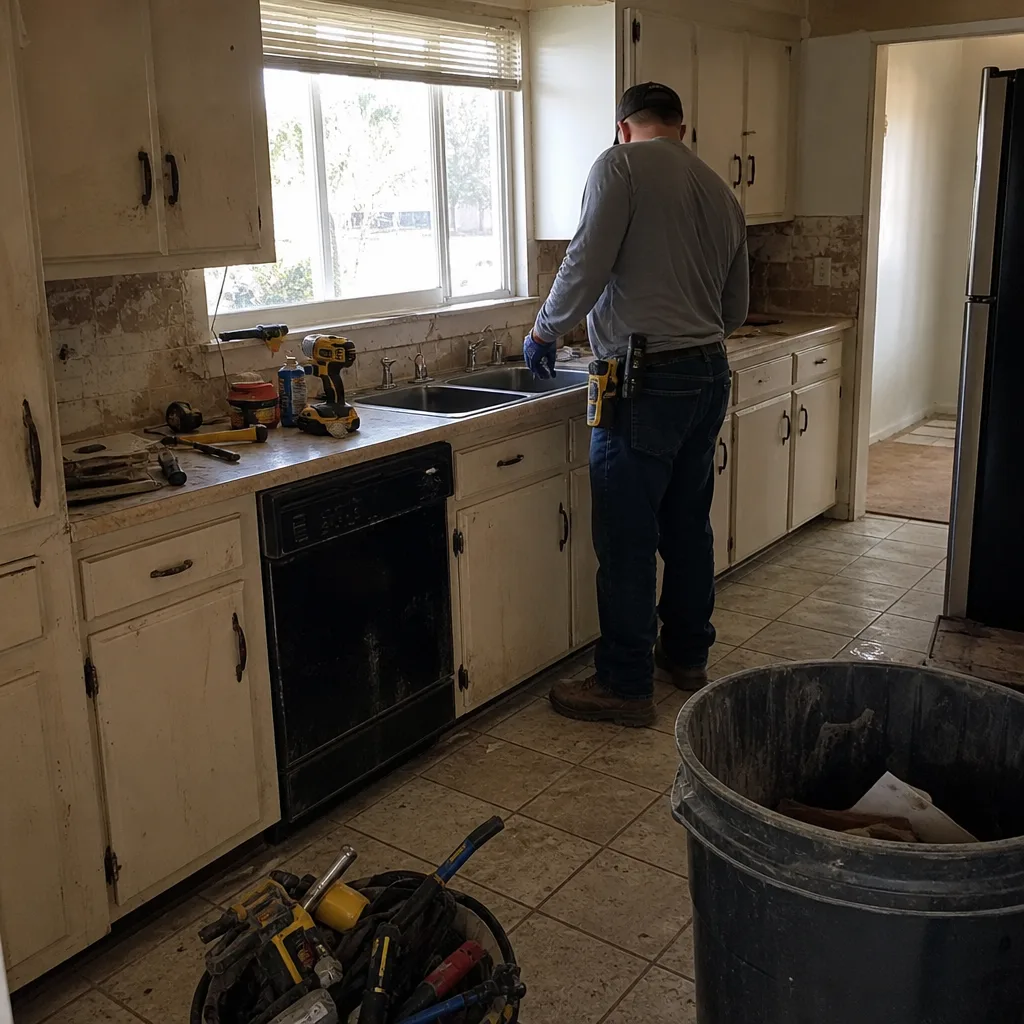 Before
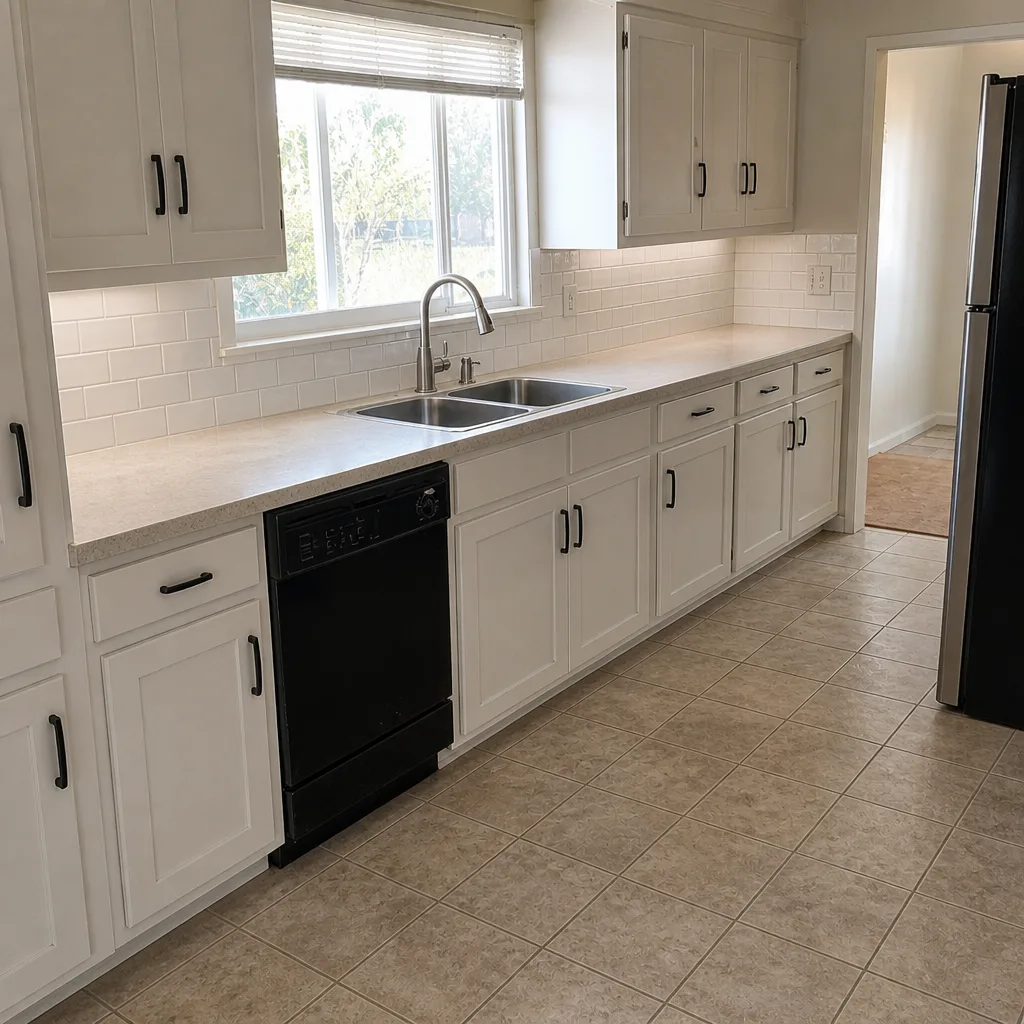 After
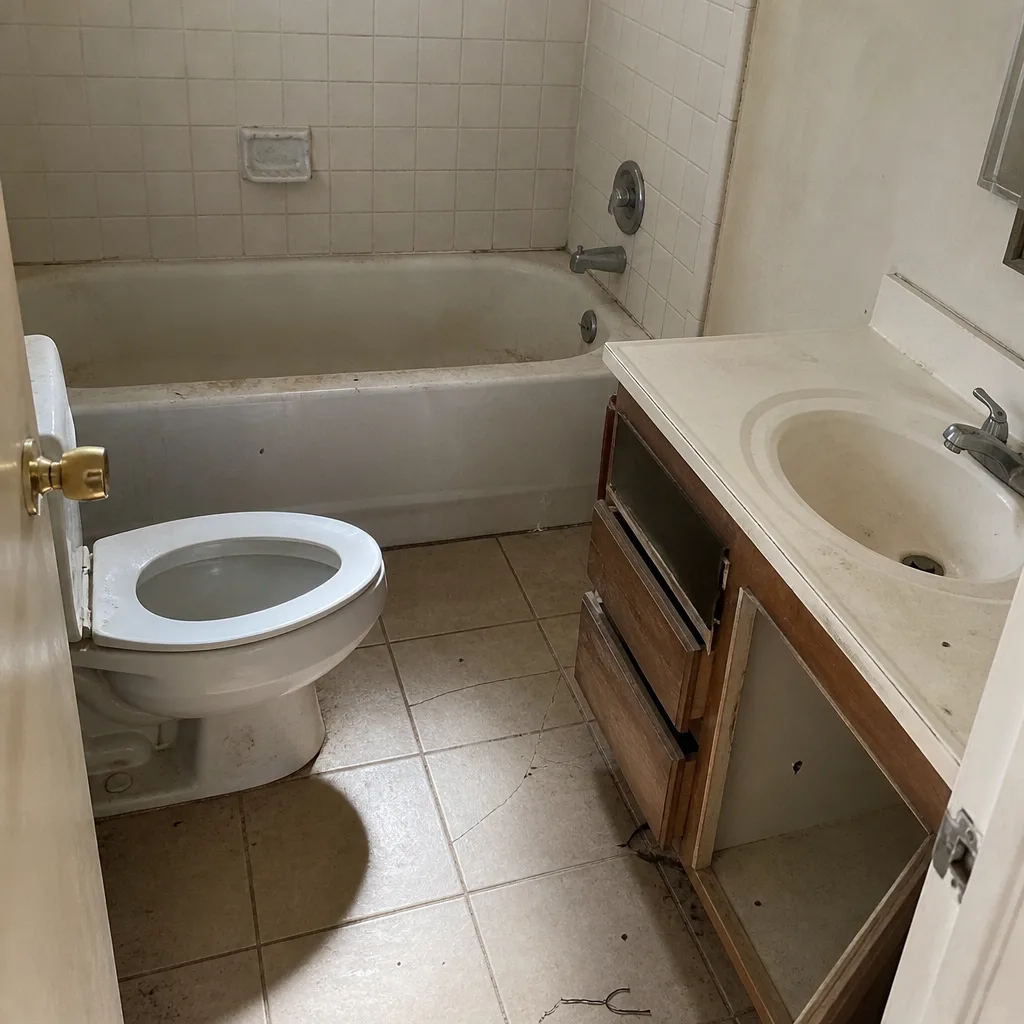 Before
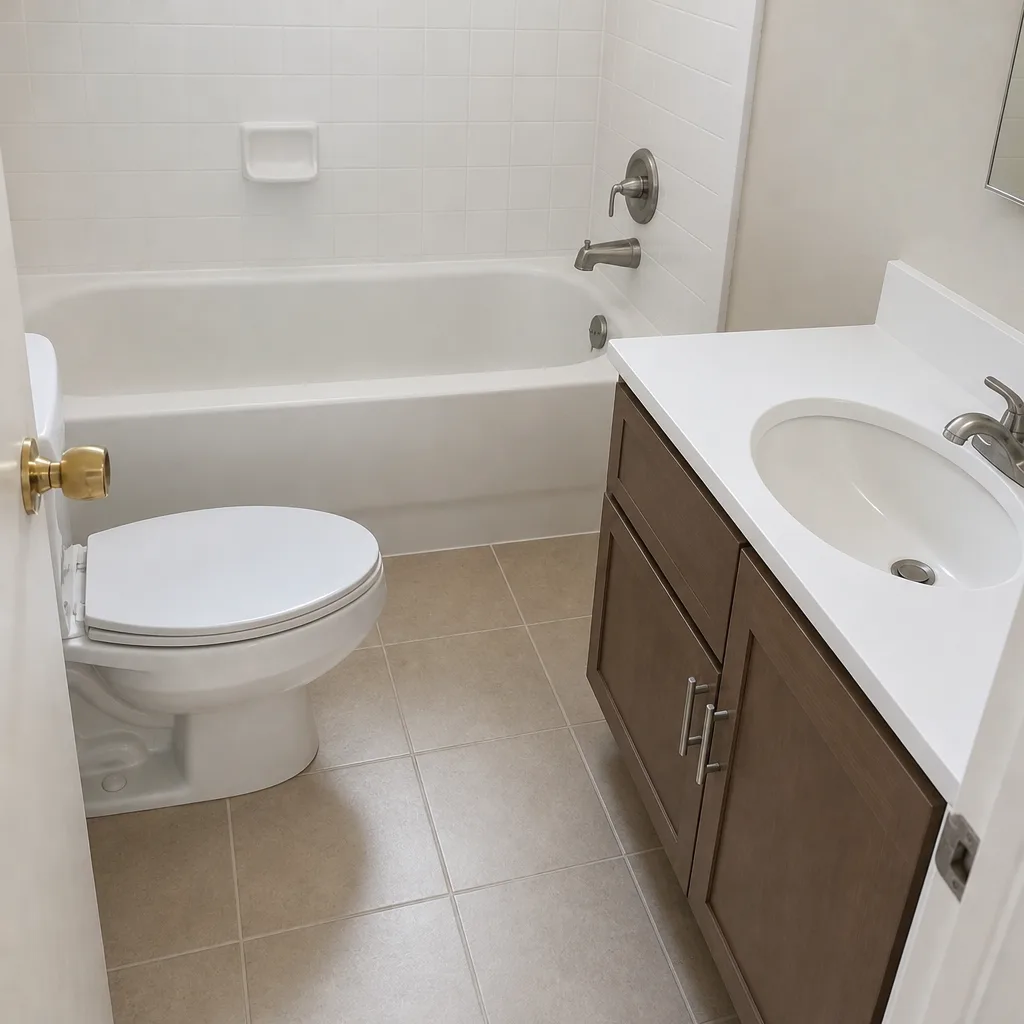 After
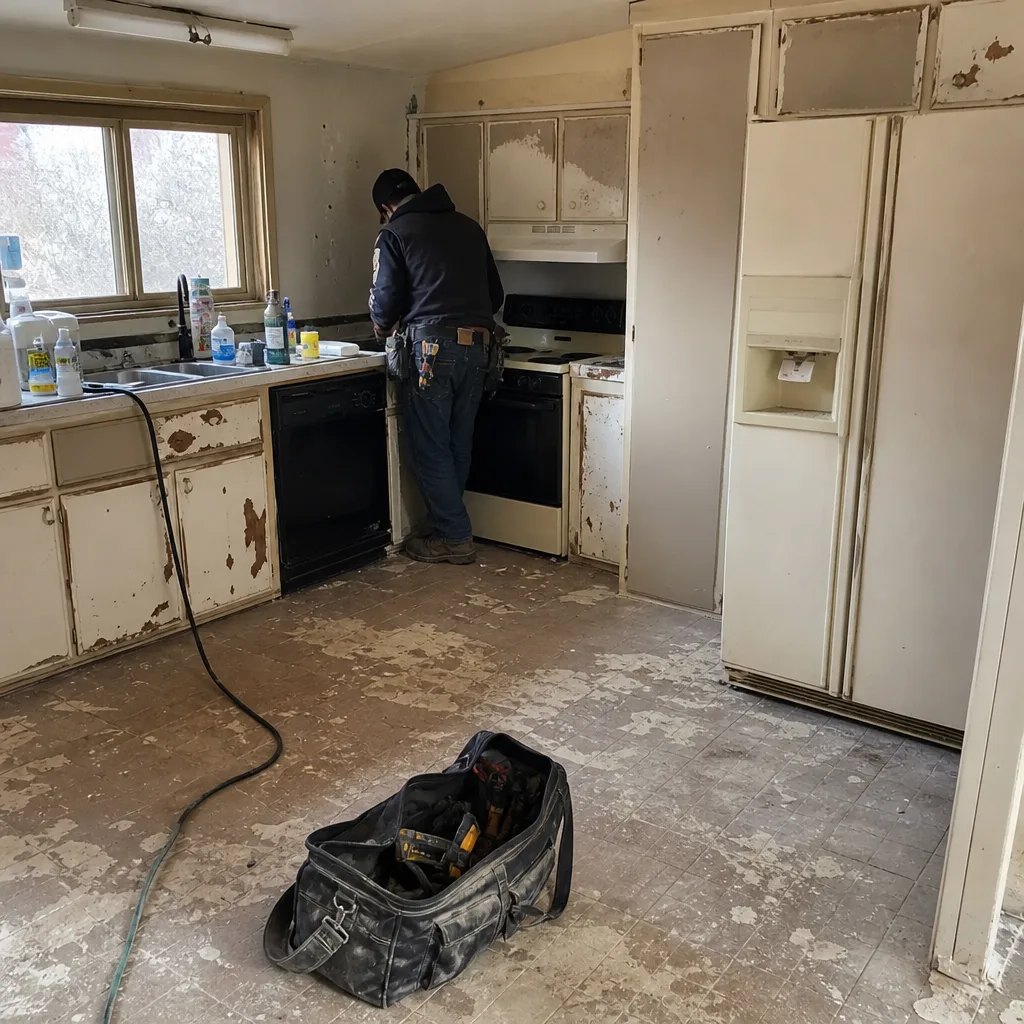 Before
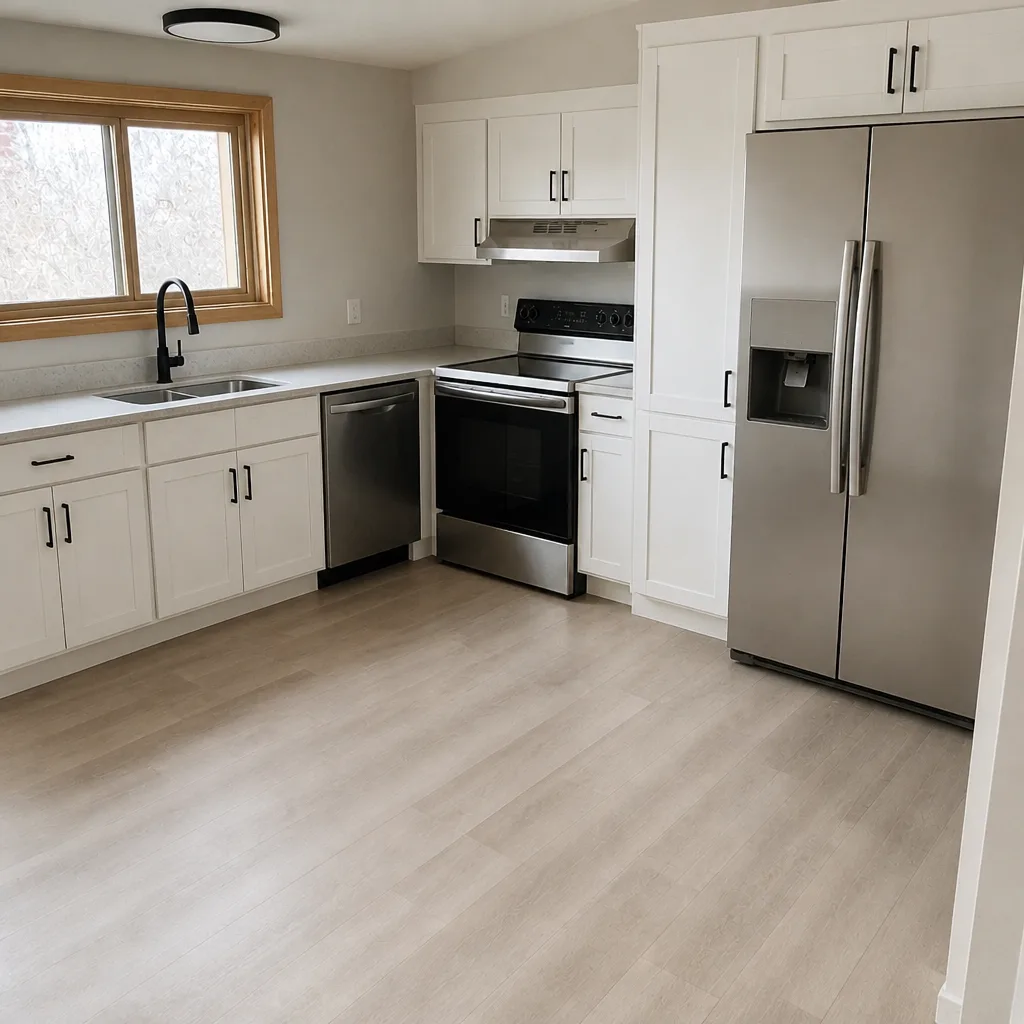 After
When to Call a Professional
Some paver problems are maintenance projects you can handle. Others need excavation and a proper base correction. Call a professional when you see a zipper crack running down a line of joints, when several pavers in a cluster sound hollow, when the driveway is tenting toward the garage or street, or when movement keeps coming back despite refilling the joints. Those are signs of a base problem, not a surface one, and no amount of sealer or sand will fix them. Call a professional before you spend money on top-dressing a problem that’s happening underneath. If you’ve recently noticed the low-side drainage path is pooling where it never used to, get an assessment. Boulder City Construction offers free estimates in Boulder City, so call (888) 329-9854 to schedule yours. We answer 24/7. Fast dispatch from 7am to 7pm, Sunday through Friday.
Frequently Asked Questions
Most driveways in Boulder City benefit from a fresh penetrating sealer every two to three years, with closer to two if the driveway is in full sun all day. Don’t rely on the calendar alone; watch when water stops beading on the surface, and reseal when that happens. A penetrating sealer reapplied on schedule protects the pavers without the stripping costs of a film-forming finish. Call (888) 329-9854 for a free estimate and an honest read on whether your driveway needs sealer or something more.
Plan to inspect the joints twice a year and top off anything that has dropped below three-quarters depth. In full sun and heavy traffic, you may need to refill annually. Long dry stretches followed by intense monsoon rain are the pattern that erodes sand fastest, so check the low side of the driveway right after any significant storm. Call (888) 329-9854 if the joints are consistently eroding, because that usually points to a bigger issue.
Typical estimates in Boulder City run about $350-$700 for a polymeric sand refill on a small driveway, $1.50-$3.50 per square foot for penetrating sealer, and $600-$1,800 for an edge-lift repair once the base needs correction. These are estimates; a written estimate sets the final price. The number depends mostly on driveway size and whether the problem is surface or base-level. Call (888) 329-9854 for a free, written quote.
Yes, at full pressure it can strip the sealer, erode polymeric sand, and chip the paver face. Use a low-pressure setting and a wide fan if you wash at all, or just use a hose and a soft-bristle brush. Regular high-pressure washing is one of the most common reasons a paver warranty claim gets denied, so be conservative.
If a single paver has lifted and the bedding under it is intact, a careful do-it-yourself repair is possible. But in Boulder City, a lifted paver often means caliche underneath has expanded, and that’s a base problem, not a surface one. If more than one or two pavers have moved, or if the lift comes back after repair, it needs a professional assessment. Call (888) 329-9854 for a free estimate.
Keep a dated maintenance log with photos, save receipts for sealer and sand, avoid high-pressure washing and acid cleaners, and report any lift or movement promptly. Those records are what a manufacturer asks for when you file a claim. If the driveway was installed by someone else, get the warranty documents now, before a problem appears.
The Bottom Line
Paver maintenance in Boulder City is a schedule problem, not a mystery. Inspect three times a year around the actual weather events: pre-monsoon, post-monsoon, and the winter temperature swing. Refill polymeric sand the moment joints erode. Watch the perimeter for edge gaps and zipper cracks that signal caliche movement underneath. Choose a penetrating sealer over a film-forming finish, and document every repair to protect your warranty. Do those four things and a properly installed paver driveway will hold up for years. Skip them and you’ll pay for a re-base you could have avoided. Our technicians have up to 13 years of experience with desert hardscape, and we’re glad to look at yours. Call (888) 329-9854. We answer 24/7. Fast dispatch from 7am to 7pm, Sunday through Friday.
Written by the team at Boulder City Construction.