Last updated November 18, 2026






Free written scope consultation - allowances, timeline, and change-order rules on paper before a single trade is scheduled
DIY vs Professional Construction: The Boulder City Homeowner’s Decision Guide
Most homeowners assume the DIY versus contractor decision comes down to skill. It doesn’t. In Nevada, it comes down to permits, and specifically to what you’re legally attesting to when you pull an owner-builder permit. That signature carries obligations that follow the property, not just the project. We’ve watched Boulder City homeowners take on a “simple” repair only to discover the paperwork was the hard part. This guide walks through where DIY genuinely makes sense, where code and warranty make professional work the practical choice, and how desert conditions in Boulder City raise the difficulty on tasks that look easy elsewhere.
Quick Answer
In Boulder City, DIY makes sense for cosmetic, non-permitted work like interior painting, caulking, light landscaping, and swapping fixtures like-for-like. Projects that touch structure, electrical, plumbing, roofing, or that require a permit should go to a licensed contractor, because Nevada’s owner-builder permit makes you personally liable as the builder and creates a disclosure obligation if you sell within one year. Desert climate conditions, UV-exposed stucco, caliche soil under pavers, and extreme thermal cycling also raise the failure rate on tasks that seem straightforward.
Styles & brands we work with
- Kitchen remodeling
- Bathroom remodeling
- Home additions & ADU
- Roofing
- Windows & doors
- Driveway & pavers
- Fence
Table of Contents
- What Nevada’s owner-builder permit actually requires
- The disclosure that follows the property
- Boulder City projects where DIY is genuinely reasonable
- Projects where code, warranty, and liability decide for you
- How desert conditions change the difficulty of “simple” tasks
- Comparing costs honestly: tools, waste, and permits
- When DIY voids the manufacturer warranty
- A step-by-step framework for your decision
What Nevada’s owner-builder permit actually requires
Nevada allows a homeowner to act as their own general contractor through an owner-builder permit. That permit is issued to you personally, not to a company, and it exists so a homeowner can improve their own primary residence without hiring a licensed general contractor. The arrangement sounds freeing, and for a well-scoped, non-structural project it can be. The catch is in the attestation.
When you sign as an owner-builder in Boulder City, you’re placing your name on the record as the responsible party for code compliance, inspections, and any warranty concerns the work creates. You’re also attesting to how you intend to use the property. That’s the part most DIY guides skim past.
Here’s what the owner-builder process typically involves:
- Submitting a permit application with plans and scope to the city building department.
- Signing as the owner-builder, which puts compliance responsibility on you.
- Hiring licensed subcontractors for work you aren’t licensed to perform, such as electrical and plumbing, if the scope includes it.
- Scheduling inspections at required stages, then a final inspection.
- Carrying the record of that work with the property.
None of that is impossible. But it means the DIY decision is a licensing and liability decision before it’s a skill decision. If any part of your Boulder City project requires a licensed trade, you’re coordinating subs, schedules, and inspections yourself, which is exactly the general contractor role you thought you were avoiding.
The disclosure that follows the property
This is the piece most homeowners never hear. Nevada’s owner-builder rules carry a certification that you intend to occupy the home and that you’re not building the project to sell within one year. If you do sell inside that window, the attestation becomes a disclosure obligation. A buyer, and their lender, can see that an owner-builder permit sits on the record. That changes how the work is evaluated at sale.
What buyers and lenders tend to ask about owner-builder work:
- Were all inspections completed and signed off?
- Were licensed trades used for electrical, plumbing, and structural work?
- Is there documentation of the scope and materials?
- Will the buyer’s insurer accept the work as permitted?
We’ve seen the paperwork side of a Boulder City sale stall over exactly these questions. A professional permit pulls a licensed contractor’s name onto the record, keeps inspections and correspondence with the contractor, and doesn’t tie your personal attestation to the property’s future. Even if you plan to stay put, plan for the sale. Circumstances change, and the disclosure exposure doesn’t care about your intentions. For homeowners considering larger additions, the paperwork load grows, which is one reason full-scope additions through our home additions & ADU service tend to be handled by licensed pros from the start.
Boulder City projects where DIY is genuinely reasonable
Plenty of work around a Boulder City home doesn’t need a permit, doesn’t touch a licensed trade, and doesn’t risk a warranty. We’re not going to talk you out of those. Here’s where DIY earns its keep.
- Interior painting. Cosmetic, reversible, and easy to fix. No permit and no warranty exposure.
- Caulking and weather sealing. Small tubes, small sponge, small project. Worth doing yourself if you watch the temperature.
- Light landscaping and planting. Moving plantings, spreading mulch, and yard cleanup are fine.
- Replacing a fixture like-for-like. Swapping a light fixture, faucet, or cabinet hardware where no new rough-in is required.
- Patching drywall and touch-up work. Cosmetic repairs inside the house are reasonable.
- Organizing and outfitting. Closet systems, garage shelving, and furniture assembly.
The common thread is that none of this touches structure, electrical rough-in, plumbing rough-in, roofing, or anything the city inspects. If you can finish the task with a sponge and a couple of tubes, DIY is a fair call. If you need a permit to do it legally, that’s your signal to stop and think about who pulls it.
Projects where code, warranty, and liability decide for you
Some projects have a hard stop in front of DIY, and it’s not snobbery. It’s the code, the warranty, and your own liability. In our experience, these are the Boulder City projects where the professional route is the practical one.
- Roofing. Steep-roof and height work is dangerous, and shingle and membrane systems from GAF, CertainTeed, and Owens Corning carry installation requirements that non-licensed installation can void. Most roofs also require a permit.
- Windows and doors. Improper installation causes leaks and energy failure, and it voids the product warranty. Sizing and flashing are the whole job.
- Electrical panels and wiring. Panels are dangerous and most cities require a licensed electrician and a permit.
- Gas lines. Never a DIY category. Gas leaks are a serious safety risk.
- Home additions and ADUs. Structural work, foundation, and inspections make professional work the only route that holds up at sale.
- Bathrooms and kitchens. Waterproofing, plumbing rough-in, and electrical mean licensed trades and permits, even when you’re keeping the same footprint.
Paver work sits on the edge. Re-setting a few pavers by hand is doable if you know what you’re doing, but full driveways and patios involve base prep, compaction, and edge restraint that determine whether the surface holds. If you’re rebuilding, the designer paver brands we work with, Techo-Bloc and Cambridge Pavers among them, have installation requirements worth respecting. Remodeling work of that scale is a job for a licensed pro; the driveway & pavers side of our work is a good example.
How desert conditions change the difficulty of “simple” tasks
Boulder City is high desert, and high desert is unforgiving to sloppy work. Three factors make “simple” tasks here harder than a walkthrough video from a wetter climate would suggest.
UV and thermal cycling on stucco. Exterior stucco here takes intense sun and swings between hot days and cool nights. Patch a stucco crack without matching the base coat and the finish, and the patch will telegraph within a season. Proper patching means matching mix and texture so the repair doesn’t stand out in raking light, and it means dealing with the cause of the cracking, not just the crack.
Caliche soil under pavers. Caliche is the cemented, mineral-hard layer common across desert ground. Remove and reset pavers and you’ll likely hit it, and the base you rebuild has to account for drainage and compaction over that layer. A base that isn’t compacted correctly shows up as sinking and rocking within a year. That’s one reason we lean on proper base materials and products like Quikrete when a paver surface is being rebuilt rather than patched.
Caulk and sealant in thermal extremes. Exterior caulk joints expand and contract hard across a desert day. A bead applied at the wrong temperature or against a dirty surface fails early. In our experience, most caulk failures here are prep failures, not product failures.
The pattern holds: what looks like a cosmetic task in a mild climate is a durability task in Boulder City. If you’re doing the work yourself, plan for the material and preparation to matter more than the labor.
Comparing costs honestly: tools, waste, and permits
The usual DIY math compares a contractor’s number to a materials list. That’s not a real comparison. A fair estimate has to include the tools you don’t own, the waste rate on materials, and the permit fees. Here’s how we’d lay out the honest accounting.
- Materials at real quantities, including waste. Most remodels lose a percentage of material to cuts, breakage, and over-ordering. Tiles, pavers, and lumber all have waste rates. A DIY project often pays for waste twice: once buying extra, once disposing of it.
- Tool cost. Compaction equipment, saws, tile cutters, and ladders aren’t cheap. If you’ll use a tool once, renting is often the right call, and rentals are a real line item.
- Permit fees. A permit is required for most of the projects that need one, whether you or a contractor pulls it, and the fee is the same either way. What differs is who signs.
- Your time. Not the same as a wage, but not zero. A project that stretches over several weekends adds up.
- Redo risk. The real cost of DIY is usually the second attempt. A job done twice costs more than the pro estimate.
On larger projects, professional estimates come with a written line-item quote, and the written estimate sets the final price. That visibility matters when you’re comparing against a DIY figure you can’t nail down. For a full-scope project, see our Boulder City Construction page for how the seven services fit together.
When DIY voids the manufacturer warranty
This is the quiet cost. Many products common in Boulder City homes come with warranties that hinge on licensed installation, and the warranty transfers to the property, but only if the install is documented. Two categories matter most.
Roofing. Shingle and membrane system warranties from GAF, CertainTeed, and Owens Corning generally require installers to follow the manufacturer’s installation specifications. Many major systems are sold with enhanced coverage that a self-installed roof can’t claim. A leak resulting from a workmanship error is usually excluded, whether or not the roof is new.
Windows and doors. Product warranties for windows and doors commonly require licensed, or in some cases manufacturer-certified, installation. A non-licensed install can void the warranty, and it usually voids the energy-performance claims that made the product worth buying. Quality windows are the biggest energy and comfort line item in a Boulder City home, so the warranty is the value.
Kitchen and bath products are less strict but still matter. Designer cabinet lines like KraftMaid and Wellborn, and stone surfaces like Cambria, Caesarstone, and Silestone, carry warranties whose terms run through the fabricator and installer. A DIY install puts the burden of a problem on you, not the manufacturer. If you’re speccing a kitchen or bath, the fence installation job is a better DIY candidate than the cabinets, if you’re looking for a place to start.
A step-by-step framework for your decision
Use this sequence on every project. It takes a few minutes and it tends to settle the question quickly.
- Does it require a permit? If yes, decide whether you’re willing to pull an owner-builder permit and carry that liability. If not, hand it to a licensed contractor.
- Does it touch a licensed trade? Electrical, plumbing, gas, and structural work belong with a licensed pro in nearly every case.
- Is the product under a warranty that requires licensed installation? Roofs, windows, and doors are the usual suspects.
- Are you willing to do the job twice? If the answer is no, factor the failure risk in.
- Have you accounted for tools, waste, and permits? If your DIY number is missing those, add them before comparing.
- Could this project affect a future sale within a year? If yes, the owner-builder disclosure deserves a second look.
If your project clears all six, DIY is a fair call. If it fails on the first, second, or third question, the professional route is the practical one. Our technicians have up to 13 years of experience handling jobs at every point on that list, from a paver reset to a full addition, and the estimate is free.
Common Mistakes to Avoid
- Pulling an owner-builder permit without understanding the attestation. The permit is a legal statement about occupancy and use of the property, not just a piece of paperwork. Sign it with the same care you’d give a contract.
- Assuming “cosmetic” means “no permit.” Some repair work on a Boulder City home requires a permit even when it looks minor. A quick call to the building department before you start is worth more than a redo.
- Buying materials at full price and then discovering a waste problem. Waste rates on tile, pavers, and lumber are real. Order to the job, not to the box store’s minimum.
- Ignoring UV and thermal cycling during caulk and stucco work. Desert sun punishes sloppy prep, and a patch applied at the wrong temperature fails early.
- Laying pavers over caliche without accounting for the base. A compacted base and edge restraint are what keep a paver surface flat in desert ground. Skip that and it will move.
- DIYing a roof or a window install and then assuming the warranty covers it. Manufacturer warranties for GAF, CertainTeed, and Owens Corning systems hinge on the install following spec.
- Trying to coordinate multiple trades yourself. When electrical, plumbing, and finish work overlap, the schedule is the job. A single contractor with one schedule and one warranty conversation saves the coordination cost.
See the difference
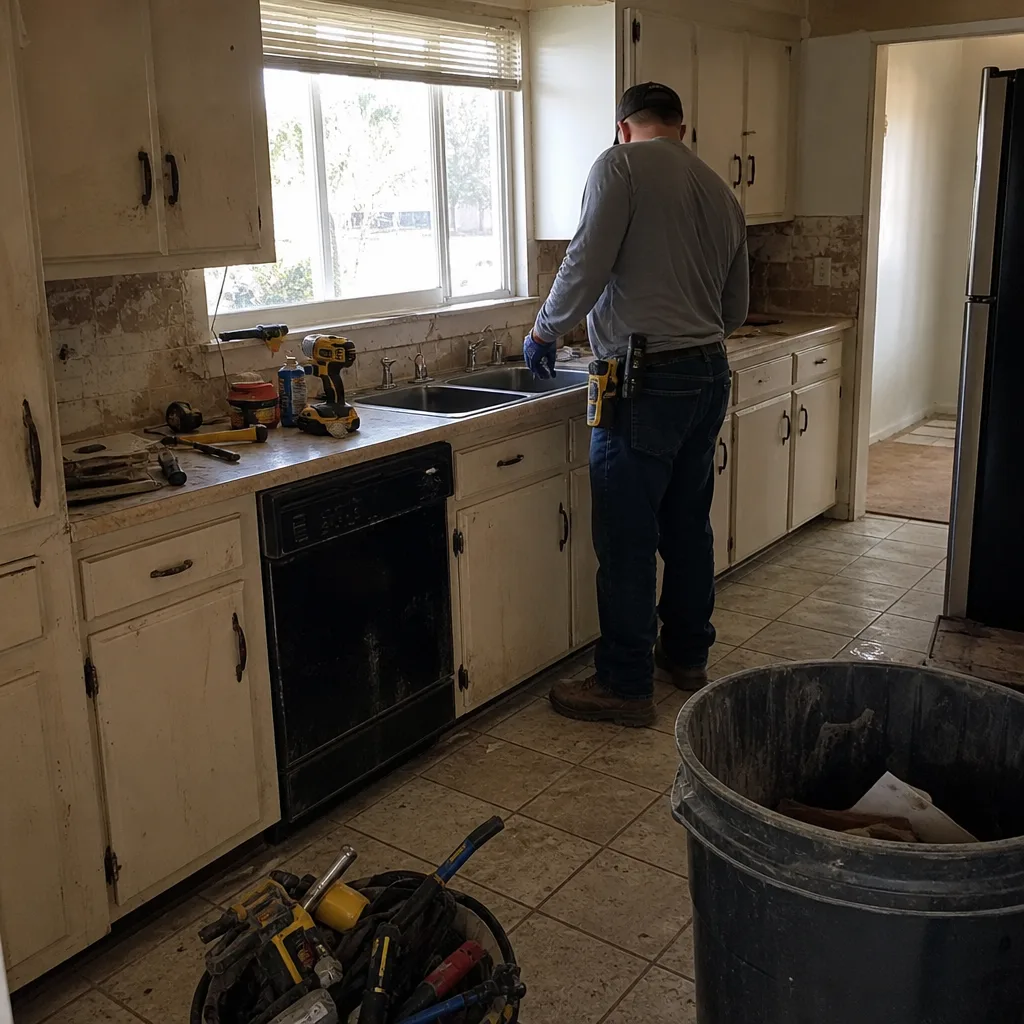 Before
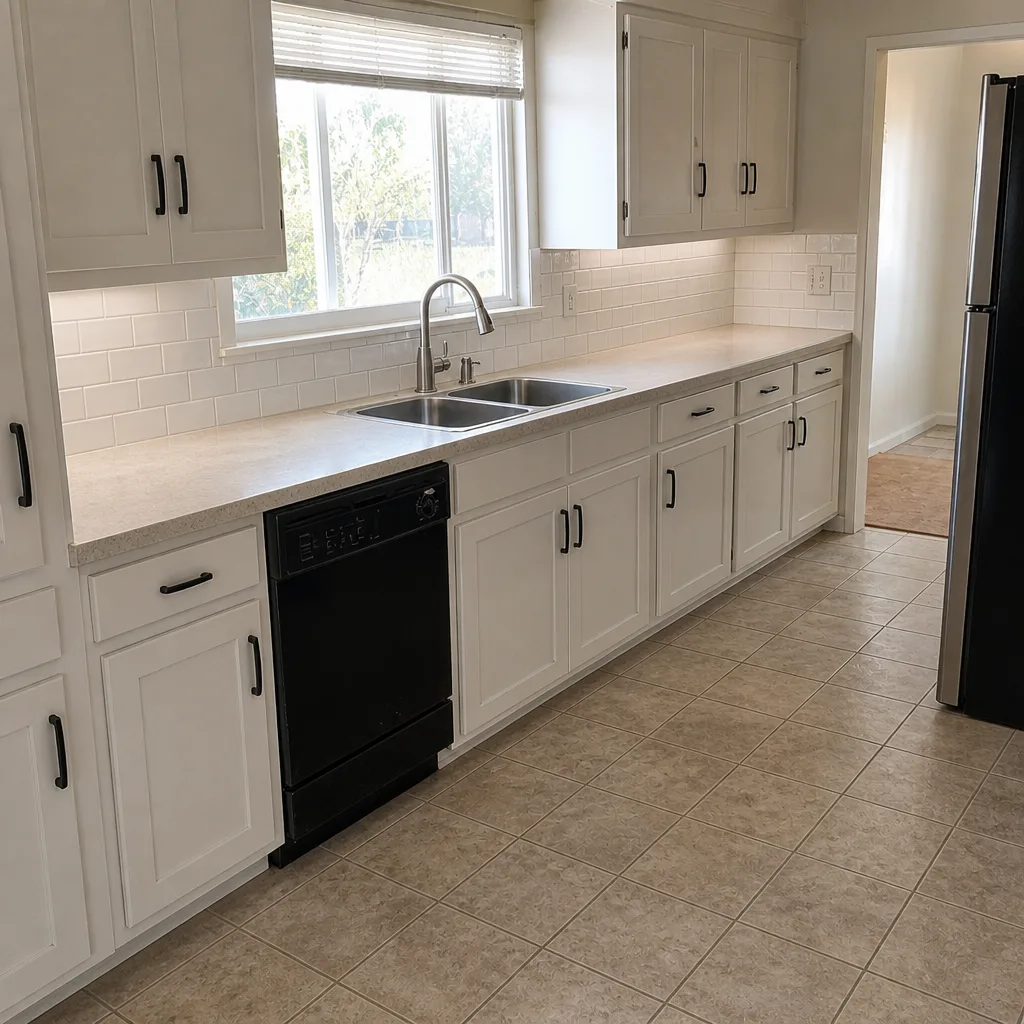 After
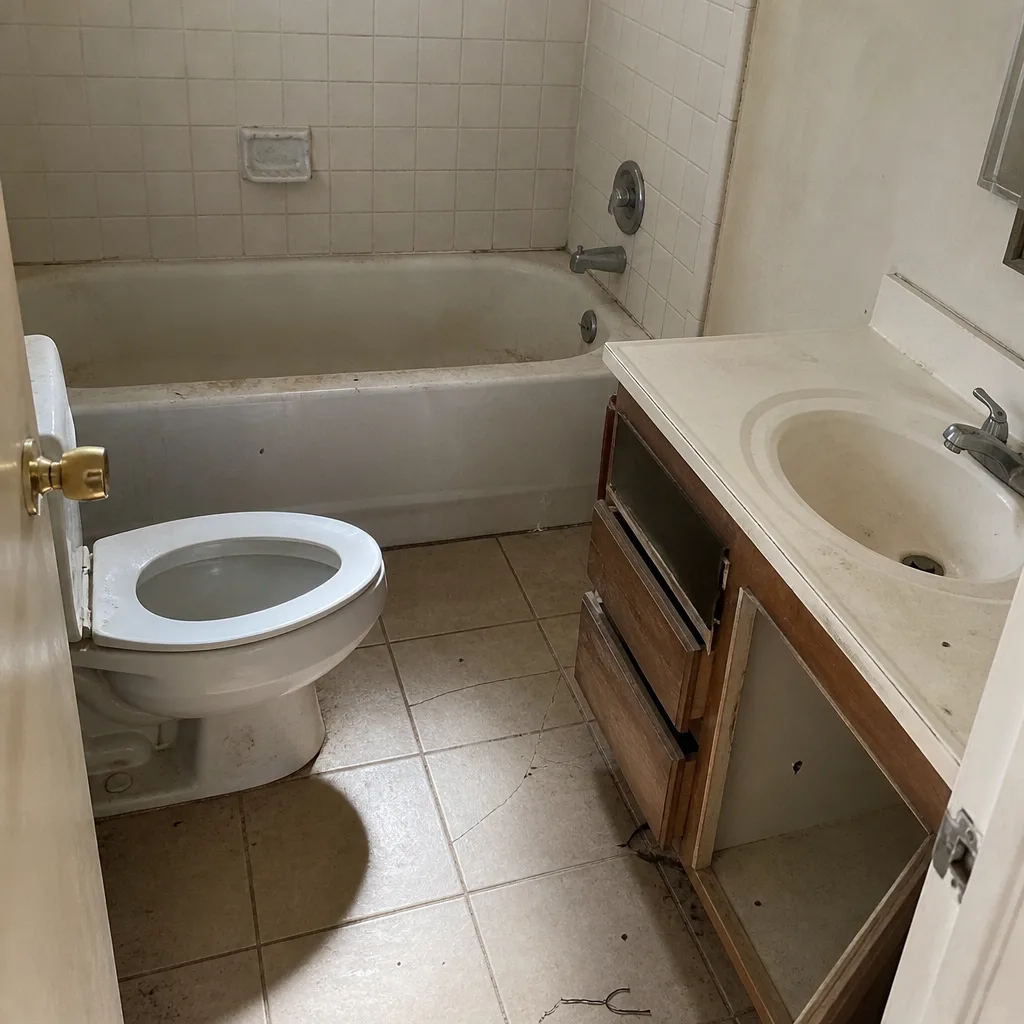 Before
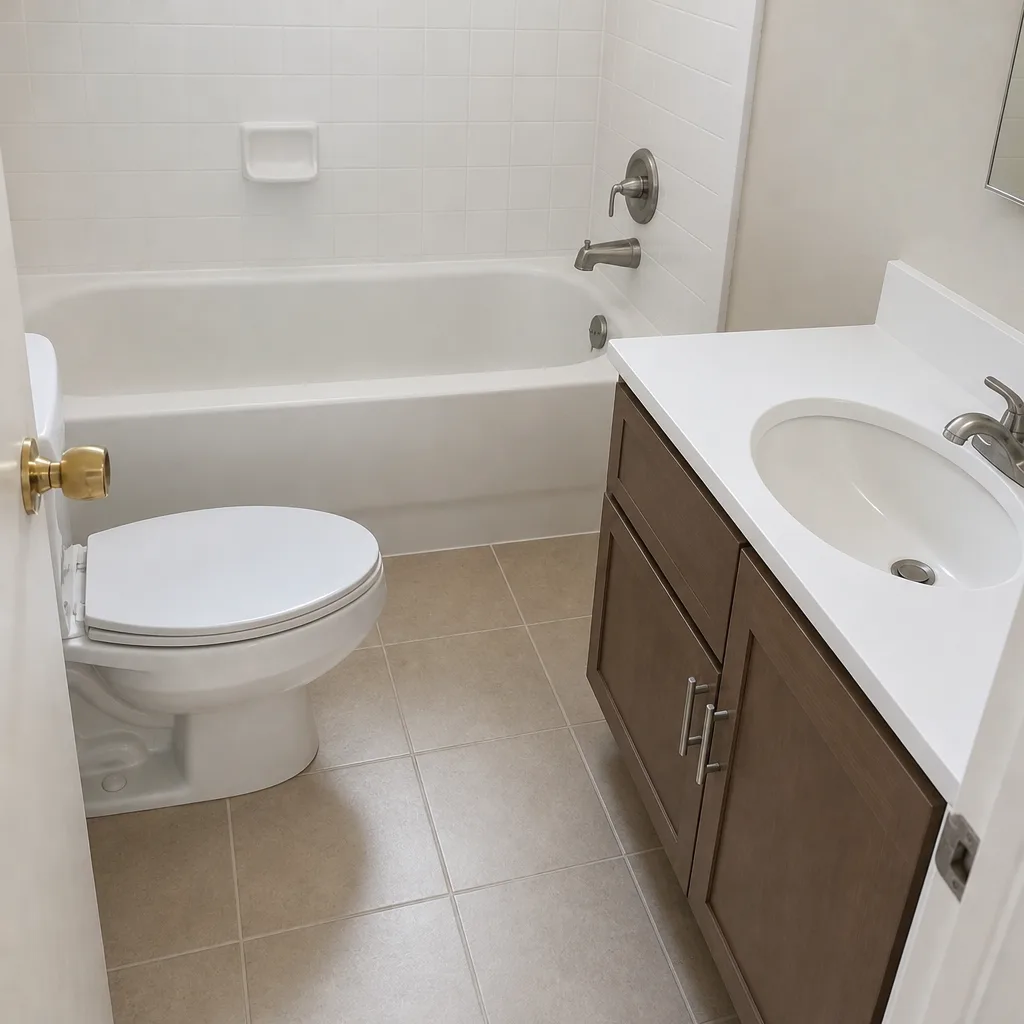 After
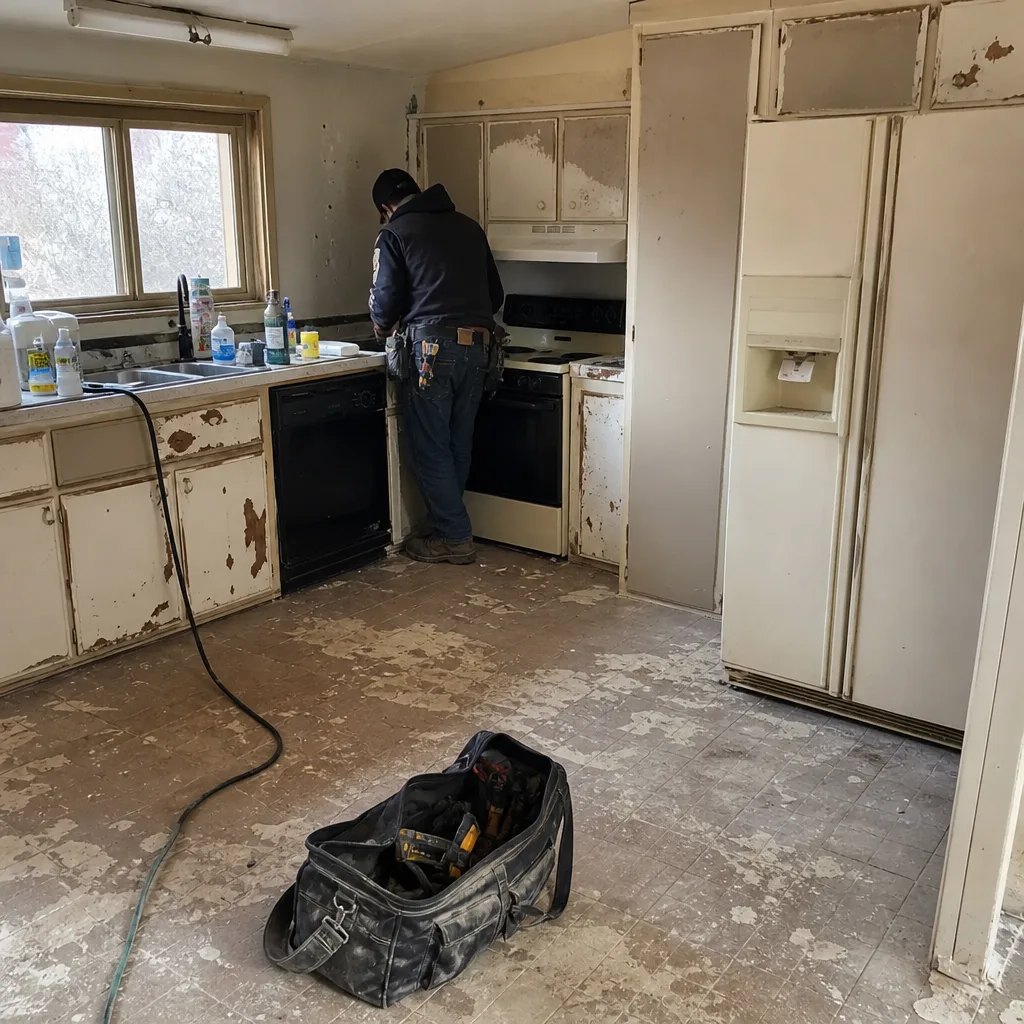 Before
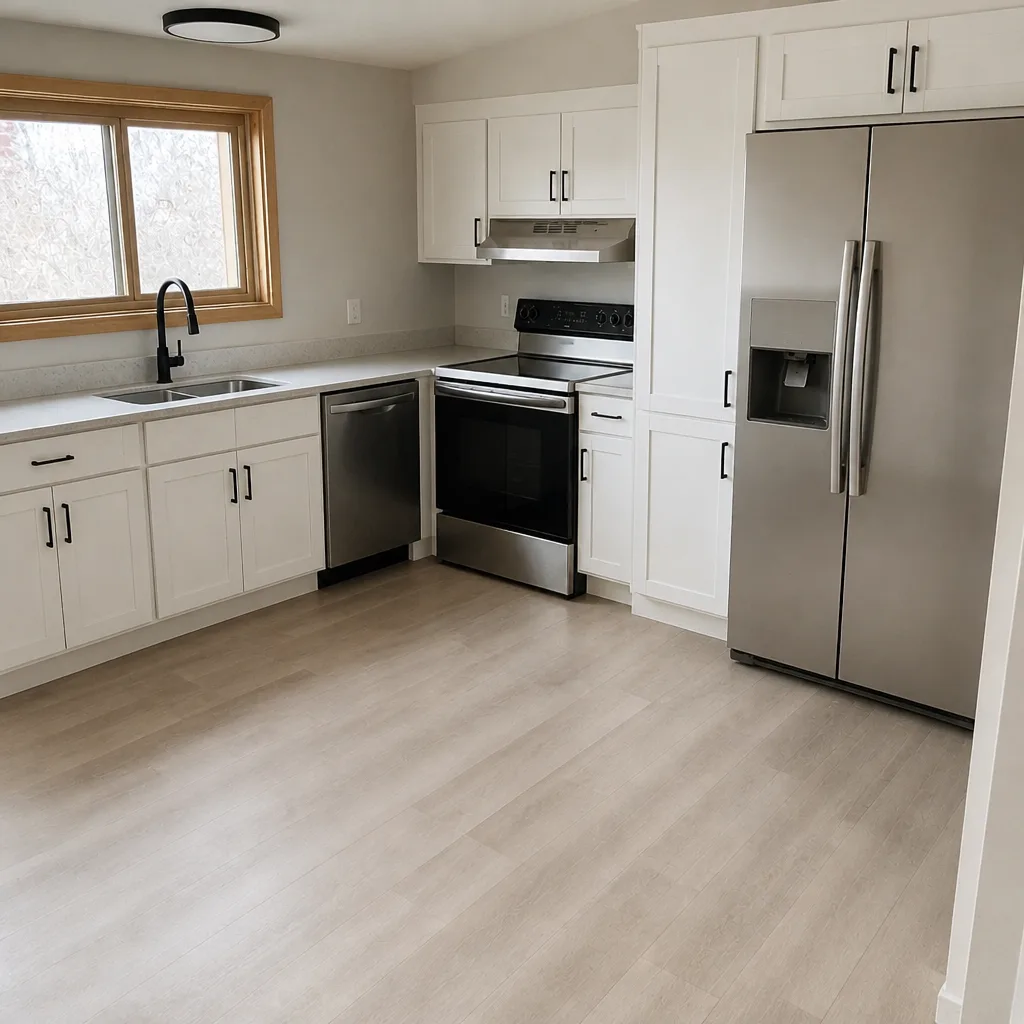 After
When to Call a Professional
Call a professional when the job needs a permit, touches a licensed trade, or involves a product warranty that requires licensed installation. Call when the work is on the roof, in a panel, or on a gas line, where the risk to you is more than a bad finish. Call when the project could touch a future sale within a year, because the owner-builder attestation becomes a disclosure obligation on the property. Call when the schedule involves more than one trade, which in a Boulder City kitchen or bath is nearly always. We work across exterior and interior projects under one contract, from Boulder City Construction full-scope work to a single-focus job, and our technicians have up to 13 years of experience. Free estimates in Boulder City are available.
Frequently Asked Questions

Yes, Nevada allows an owner-builder permit for work on your own primary residence, but you take on the compliance and liability role yourself. You become the responsible party for inspections, and you sign an attestation about occupancy and use of the property. Licensed trade work such as electrical and plumbing still requires a licensed professional. For any project that needs a permit, the practical question is whether you want that liability on record, and the free estimate helps you compare.
The owner-builder attestation becomes a disclosure obligation on the property, and the permit remains on record. Buyers and their lenders can see that an owner-builder permit exists, and they tend to ask about inspections, licensed trades, and documentation. That’s where sales slow down. If a sale within a year is possible, have a licensed contractor pull the permits and keep the responsibility off your personal record. Call (888) 329-9854 to discuss your project.
Small paver resets are reasonable for an experienced homeowner, but full driveways and patios usually aren’t. That’s because desert ground often includes caliche, and the base layer has to be built and compacted correctly for the surface to stay flat. Base and edge restraint are where most DIY paver jobs fail. If you’re building a new surface, get a written estimate with line-item pricing before deciding.
Often, yes. Roofing systems from GAF, CertainTeed, and Owens Corning and window and door products commonly require licensed or certified installation for warranty coverage. Specific terms vary by product, and it’s worth reading the manufacturer warranty for the exact model. When the product sits under a warranty that requires a licensed install, the DIY route can cost more than the professional one. Call (888) 329-9854 for a free quote on licensed installation.
The honest answer is that the comparison usually turns on tools, waste, and redo risk rather than labor alone. A project that’s done once by a licensed pro is a single cost; a DIY project that gets done twice costs more than the pro estimate, which is why we start every project with a free written line-item quote. The written estimate sets the final price, so you know the number before work starts. Call for an exact figure on your specific job.
No, the written estimate sets the final price for the scope in the estimate. Changes only happen when the scope itself changes, and we put those in writing in advance. That’s the reason we quote line by line, so you can see what each part of the project costs before the first day of work. Call (888) 329-9854 to start with a free estimate.
The Bottom Line
The DIY versus professional decision in Boulder City isn’t about whether you’re handy. It’s about permits, liability, and warranty. Nevada’s owner-builder permit puts compliance responsibility and a future disclosure obligation on you personally. Desert conditions, from UV-exposed stucco to caliche soil and thermal cycling, raise the failure rate on work that looks simple. And manufacturer warranties on roofs, windows, cabinets, and stone surfaces often require licensed installation. Where a project touches a licensed trade or a warranty, the professional route is the practical one. Where it’s cosmetic, non-permitted, and reversible, DIY earns its keep. Either way, a free written estimate costs you nothing and tells you where you actually stand.
Call (888) 329-9854 for a free estimate on your Boulder City project. We answer 24/7. Fast dispatch from 7am to 7pm, Sunday through Friday, closed Saturday.
Written by the team at Boulder City Construction.