Last updated November 18, 2026




Free written scope consultation - allowances, timeline, and change-order rules on paper before a single trade is scheduled
Construction Emergency Preparedness Guide for Boulder City Homes
Most home emergency guides assume you’ll face a hurricane, a tornado, or a deep freeze. Boulder City faces none of those. What it does face is a monsoon that can drop a month of rain in an hour, heat that pushes past the point where an air conditioner can keep a house livable, and Mojave scrub pressing against the edge of town that turns a single ember into a structure fire. The preparation that matters here looks nothing like the national checklists. This guide walks through the specific risk profile a Boulder City home carries, the improvements that actually reduce damage, and how to prepare for an emergency before the sky goes dark.
Quick Answer
Emergency construction preparedness in Boulder City means three things: directing monsoon runoff away from your foundation before the summer storm window opens, hardening your home’s vents and exterior against wildland fire embers, and having a plan for an air conditioning failure during extreme heat. The highest-value step is lining up a vetted general contractor before you need one, because a pre-existing relationship produces faster, better-documented repairs than calling around after the damage is done.
Styles & brands we work with
- Kitchen remodeling
- Bathroom remodeling
- Home additions & ADU
- Roofing
- Windows & doors
- Driveway & pavers
- Fence
Table of Contents
- What Makes Boulder City’s Emergency Risk Profile Different
- How Do You Prepare a Home for Monsoon Flash Flooding?
- Assessing Drainage and the Improvements That Reduce Flood Risk
- Wildland-Urban Interface Fire Hardening for Boulder City Homes
- HVAC Emergency Protocol When the AC Fails in Extreme Heat
- Structural Damage Documentation for Insurance Claims
- Why a Pre-Emergency Contractor Relationship Pays Off
- Seasonal Preparedness Calendar for the Boulder City Year
What Makes Boulder City’s Emergency Risk Profile Different
Boulder City sits on a ridge above Lake Mead with open desert on three sides. That geography is a gift on most days. It’s also what shapes the emergency scenarios a home here actually faces, and almost none of them appear in a generic preparedness checklist written for a suburban subdivision in the Midwest.
The three construction-relevant threats break down like this:
- Monsoon flash flooding. Summer storms in the Mojave don’t soak in. The ground is baked hard and steep, so water collects in washes and channels fast, and those channels run through and around town. A storm that drops an inch of rain upslope can send water into a low lot with no warning.
- Wildland-urban interface fire. The scrub and desert brush surrounding Boulder City is built to burn, and the embers those fires throw travel far ahead of the flame front. Most homes that burn in a wildland fire ignite from embers landing on a vent, a wood deck, or debris in a gutter, not from the wall of flame itself.
- Extreme heat and HVAC failure. When the temperature climbs past 110°F, an air conditioner isn’t a comfort feature. It’s the difference between a house that’s safe to stay in and one that isn’t, especially for older residents and anyone with a health condition.
Each of these has a construction answer. Each answer is easier and cheaper to put in place before the event than after. That’s the whole premise of this guide, and it’s why we’ve found that Boulder City homeowners who plan ahead end up with less damage and smoother claims than those who react.
How Do You Prepare a Home for Monsoon Flash Flooding?
Flash flood risk in Boulder City is mostly a drainage question, and most of the work is done before the first storm of the season, not during it. The monsoon pattern typically runs from late June into September. Preparing a home means understanding where water wants to go on your lot and making sure it has a clear path away from the structure.
Work through these steps before storm season:
- Walk the lot during a light rain. Watch where water sheets, pools, and exits. A driveway that slopes toward the garage is a problem you can see before a heavy storm makes it obvious.
- Check the swales and grade. Grading that directs water away from the foundation is the cheapest flood protection there is. If soil has settled or a prior owner changed the slope, water can pool against the wall.
- Clear the drainage paths. Desert debris, tumbleweeds, and sediment clog channels and area drains fast. Clean them out before the season, not after a storm fills them.
- Look at the driveway surface. A solid, well-graded hardscape that sheds water correctly matters here. Permeable and properly sloped surfaces move storm water off the lot instead of channeling it into the garage.
- Inspect window and door seals. Wind-driven rain finds gaps at aging weatherstripping and thresholds. A seal that’s fine in a drizzle can let water into a wall cavity in a monsoon burst.
- Document the current condition. Photos of your foundation, driveway, and yard before the season give you a baseline if you ever file a claim.
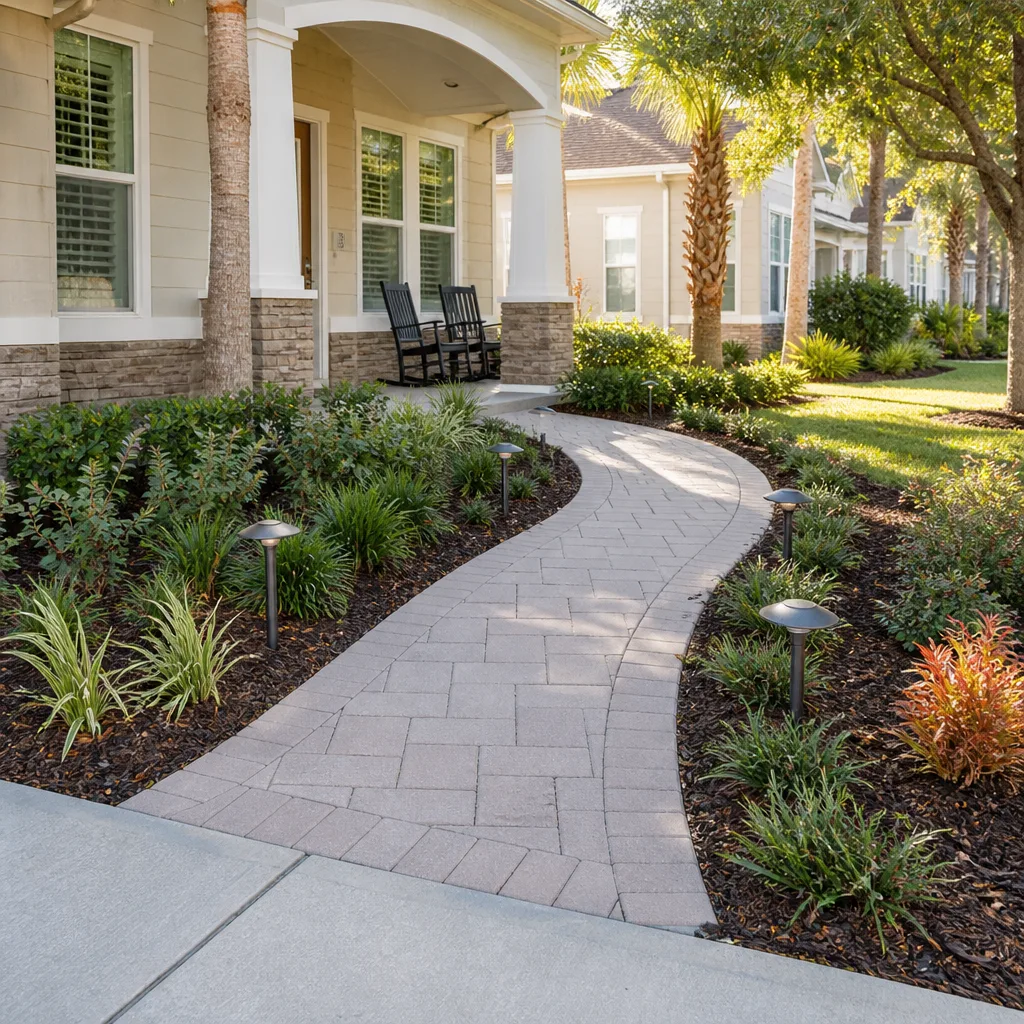
The hardscaping side of this is where material choice earns its keep. We work with driveway & pavers systems from Tremron and Techo-Bloc, and the reason isn’t cosmetic. A properly base-prepped, sloped paver driveway handles runoff better than a cracked slab that puddles at the low corner, and repairability after a washout is dramatically better. You pull and reset the affected pavers instead of breaking out and re-pouring concrete.
Assessing Drainage and the Improvements That Reduce Flood Risk
The single most useful thing a Boulder City homeowner can do for flood readiness is get an honest read on how water moves across the property. That’s a site conversation, not a guess from a photo. An experienced eye can tell you where the grade fails, which improvements are worth the spend, and which aren’t.
When we assess drainage on a local lot, these are the questions that drive the recommendation:
- Where does the water enter? Is it sheet flow off an uphill neighbor, concentrated runoff from a wash, or just rain landing on your own roof and gutters?
- Where does it exit? A lot with no positive drainage path to the street or a natural channel will always hold water somewhere.
- What’s the surface? Cracked concrete, sunken slabs, and settled pavers all create low spots that collect water and stress the foundation.
- What does the structure sit on? Foundation exposure, cracks, and efflorescence (the white mineral staining on masonry) all tell you water has been where it shouldn’t.
From there, the improvements that tend to make a real difference include:
- Re-grading soil so the lot sheds away from the foundation.
- Rebuilding the driveway surface with correct slope and base so it drains instead of pooling.
- Adding or repairing swales and channeling at the property line.
- Sealing gaps at windows, doors, and the garage.
- Keeping gutters and downspouts clear and directed away from the wall.
Paver products from Cambridge Pavers and Oldcastle give you options that hold their grade over time and handle desert heat cycling without cracking the way an aging slab does. You choose the surface; we handle the rest, including the base prep that actually makes the drainage work. If your driveway is the weak point, our Boulder City Construction team can walk the lot with you and give you a straight answer on whether it’s a repair or a rebuild.
Wildland-Urban Interface Fire Hardening for Boulder City Homes
Ember exposure is the fire threat that matters most to a home in the wildland-urban interface, and most of the hardening work is on the exterior envelope. Embers can travel well ahead of a fire front and land on a roof, in a vent, or on a deck. A home that resists embers has a genuine chance of surviving a fire that never actually reaches its walls.
The priorities, in order of impact:
- Screen every vent. Attic, soffit, foundation, and dryer vents are the classic ember entry point. Use fine metal mesh screening rated for the opening, and inspect it every season for gaps or corrosion. This is a small, cheap job with an outsized effect.
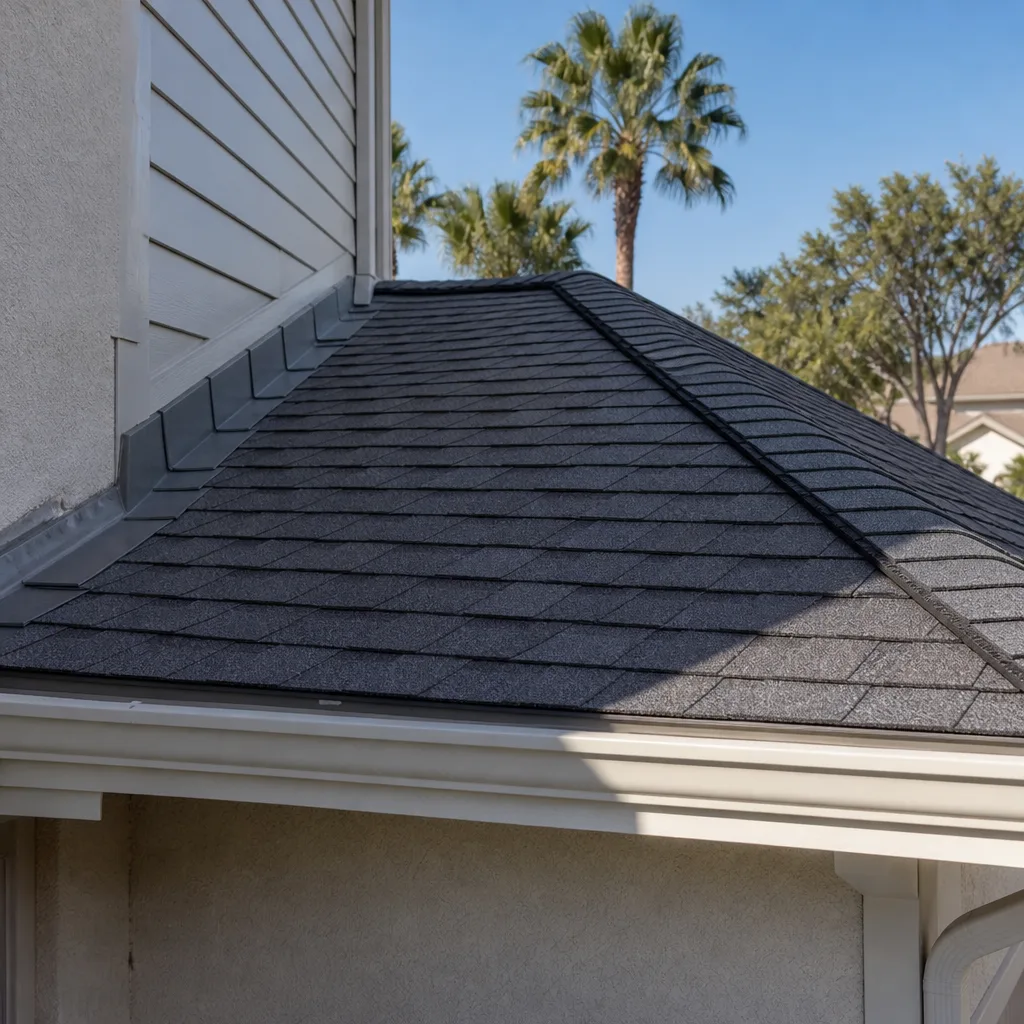
- Treat the roof as the first line. A fire-rated roof assembly and clean gutters matter. Debris in a gutter catches embers and holds flame against the fascia. When a roof reaches the end of its life, choosing a fire-rated system from a manufacturer like GAF, CertainTeed, or Owens Corning is a decision that pays off in fire resistance as well as durability.
- Reconsider the deck. Wood decks are fuel. If you’re rebuilding, use fire-resistant decking materials and keep the under-deck area clear of stored material.
- Grade your defensible space. The zone within the first several feet of the house should be non-combustible: gravel, concrete, or hardscape rather than bark mulch or dry vegetation. Beyond that, thin and space plants and keep dry brush cleared. The specific distance requirements are set by local fire authorities, so call your fire department for the current defensible-space guidance for your address.
- Close the gaps. Embers slip into gaps at eaves, under doors, and around the garage. Sealing those gaps is part of a comprehensive exterior review.
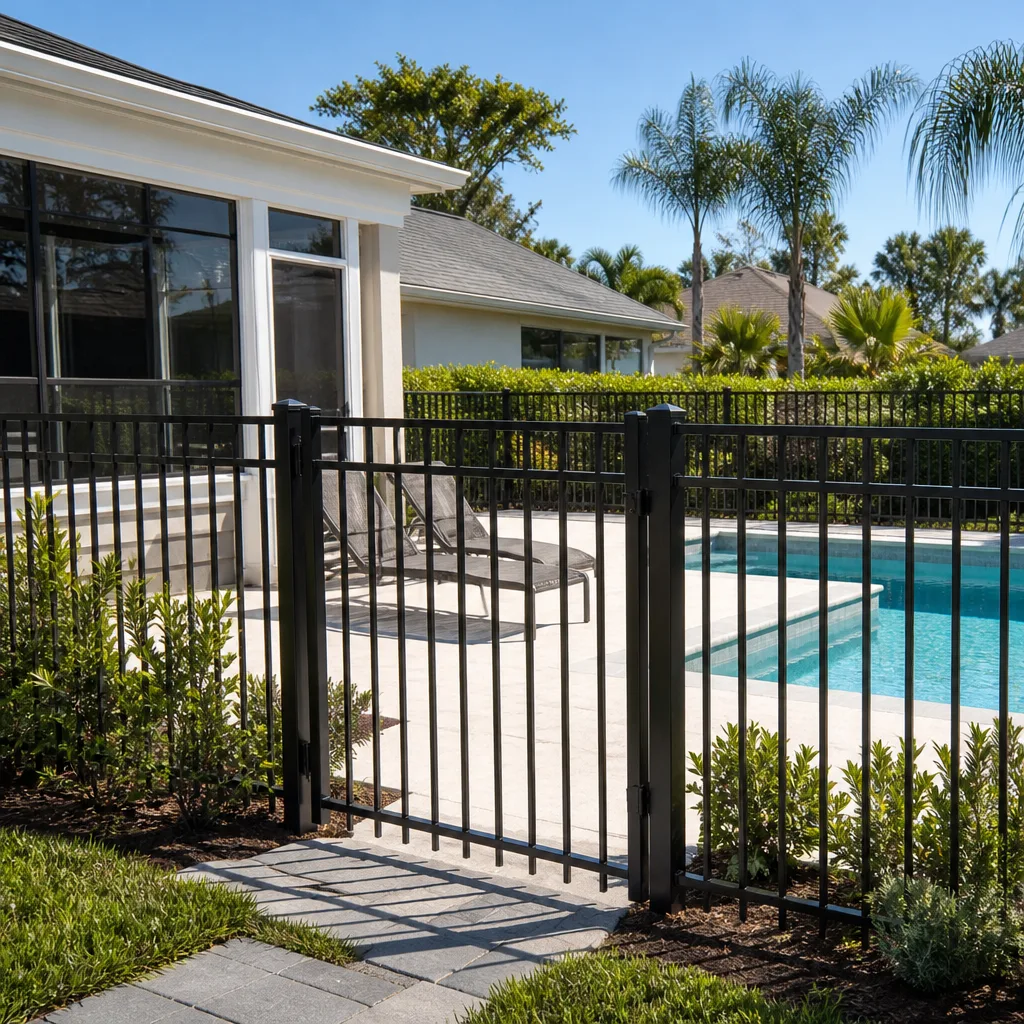
- Secure the fence line. A wood fence running to the house can carry fire right to the structure. Choosing a non-combustible or fire-resistant fence material and keeping the run clear of debris reduces that path. Our fence installation work includes material selection guidance for exactly this reason.
None of these steps requires a fire to be nearby to be worth doing. They’re the kind of improvements that quietly raise the odds, and they’re far easier to schedule on a calm week than in the middle of an evacuation warning.
HVAC Emergency Protocol When the AC Fails in Extreme Heat
An air conditioning failure during a 115°F heat event is a genuine safety situation, and the response has a structural component. The goal in the first hours is to keep the interior livable and protect the home while you get a professional out to fix the system.
What to do when the AC fails in extreme heat:
- Close up the house. Shut every window and exterior door and pull blinds or shades on sun-facing windows. Opening the house to “let air in” during a desert heat event lets hot air in and makes the interior worse, not better.
- Move to the coolest interior areas. The lowest floor of the home, interior rooms away from exterior walls, and any space with thermal mass (like a bathroom or a hallway with tile) hold cooler air longer. Basements and lower levels are the priority if you have them.
- Don’t open the refrigerator or freezer repeatedly. A closed refrigerator holds its temperature for a while. Every open lets cold escape and adds heat to the room.
- Use fans to move air, not to cool it. Fans help with comfort and air movement, but above a certain indoor temperature they can make things worse by moving hot air over people. If the interior temperature is climbing past a safe level, fans alone won’t solve it.
- Protect vulnerable occupants first. Older residents, young children, and anyone with a health condition are at higher risk. If the home can’t be kept at a safe temperature, plan to relocate those occupants to a cooling location rather than waiting it out.
- Get a professional out to diagnose the system. An AC failure in extreme heat is often a capacitor, a refrigerant issue, or a compressor problem, and none of those are safe to diagnose or repair without training.
There’s a structural layer too. If your home is poorly sealed or under-insulated, an HVAC system works harder and fails sooner. Sealing the envelope and choosing energy-efficient windows and doors reduces the load on the system, which is the best defense against a heat-event failure in the first place.
Structural Damage Documentation for Insurance Claims
When a weather event damages a home, the documentation you gather in the first days decides how smoothly the claim goes. Adjusters work from evidence. The homeowner who has clear photos, a written timeline, and a professional inspection in hand moves faster than the one who calls the insurer first and photographs later.
Follow this sequence after a storm or fire event:
- Make it safe first. If there’s structural damage, don’t stand under a sagging roof or walk a flooded crawlspace. Safety before documentation.
- Photograph before you clean up. Wide shots of each affected area, close shots of the damage, and shots that include something for scale. Water staining, cracked masonry, missing shingles, and displaced pavers all need a photo. Never throw away damaged material before the adjuster sees it or you’ve documented it thoroughly.
- Write a simple timeline. Note the date and time of the event, when you noticed the damage, and what you did in response. This becomes your narrative for the claim.
- Get a professional inspection. A contractor inspection identifies damage you might miss, separates pre-existing wear from event damage, and produces a written scope. This is where the manufacturer knowledge in a contractor’s kit matters: knowing that a shingle system from a specific manufacturer is damaged versus simply aged is a claim detail an adjuster can act on.
- Get the written scope in line with the policy. The inspection report should describe what needs replacing, in what material, and why. That’s what an adjuster needs to approve a repair.
- Be ready for the adjuster visit. Have your photos, timeline, and inspection report together and accessible. Know your deductible and your coverage limits before the visit, not during it.
The sequencing matters because each step feeds the next. Photos without an inspection leave money on the table. An inspection without photos leaves gaps. Do them together, in that order, and the claim process stops feeling adversarial.
Why a Pre-Emergency Contractor Relationship Pays Off
The worst time to look for a contractor is the day after a storm. That’s when everyone in Boulder City is calling at once, the good outfits are booked out, and the only people with immediate availability are the ones who earn their work by being available rather than by being good. The solution is simple and almost nobody does it: line up a contractor before you need one.
What a pre-existing relationship gets you:
- Priority and speed. A contractor who already knows your home, your roof, and your lot can act faster than one starting from scratch.
- An accurate baseline. A pre-emergency walk-through documents the current condition of your home, so when something goes wrong, there’s a clear line between old wear and new damage.
- Less pressure and better decisions. Emergency decisions get made fast. With a relationship in place, those decisions are informed.
- Access to real material choice. The full-scope capability of a single-source contractor means roof, windows, driveway, and fence are handled with the same point of contact, not four separate searches after a storm.
This is where we earn trust differently. We supply and install products from a confirmed roster of more than 50 manufacturer brands across every trade we perform, from Tremron and Techo-Bloc pavers outside to KraftMaid cabinetry and Kohler fixtures inside. That breadth means when an ember fire takes a fence and a storm takes a driveway, you’re dealing with the same team on both. One contractor, every phase. If your plan includes adding living space, that also folds into home additions & ADU work under the same contract.
Seasonal Preparedness Calendar for the Boulder City Year
Preparedness works best on a calendar. The Boulder City year has a rhythm, and matching the work to the season keeps any single task from becoming a crisis.
- Early spring. Roof inspection and any repair. Clean gutters and downspouts. Check exterior caulking and window seals. This is the window to fix the things monsoon and fire season will expose.
- Late spring, before monsoon. Re-grade the lot, clear drainage channels, and assess the driveway. Screen and inspect vents. Review your defensible space and clear dead vegetation.
- Summer. Service the HVAC system and seal the envelope to reduce load. Confirm your cooling plan. Keep the drainage clear through the storm window.
- Early fall. Inspect for storm damage and document anything you find. Re-seal doors and windows before winter winds. Walk the fence line for damage after the summer.
- Winter. Plan the big improvements. Replacing a roof, rebuilding a driveway, or addressing drainage is best scheduled in the cooler months. It’s also when you research and hire, rather than react.
This schedule is deliberately front-loaded. The goal is to spend the mild months putting the pieces in place so the extreme months find you ready.
Common Mistakes to Avoid
- Treating storm readiness as a national checklist. A guide written for hurricanes or freezes misses the flash flood and ember threat that define a Boulder City summer. Prepare for the desert and the monsoon, not the tropics.
- Ignoring drainage until it floods. Boulder City’s hard, steep terrain sends water to low lots fast. Re-grade and clear channels in the dry season, not after water is already at the door.
- Forgetting vent screening. Embers don’t need a fire to reach your house. Fine screen on every vent, including the dryer, is a small fix that closes the most common ember entry point.
- Opening the house during an AC failure. Open windows and doors let heat in, not out. Close up, shade the windows, and relocate vulnerable occupants if the interior gets unsafe.
- Cleaning up before photographing. The photo of the damage can be the claim. Document everything before you move a single shovel.
- Hiring a contractor mid-emergency. Availability during a storm surge is not a quality signal. Line up a vetted contractor before you need one.
- Assuming one event won’t touch one area. A monsoon storm can hit a wash on one side of town while the rest stays dry. Drainage prep is a lot-by-lot question, not a citywide one.
See the difference
 Before
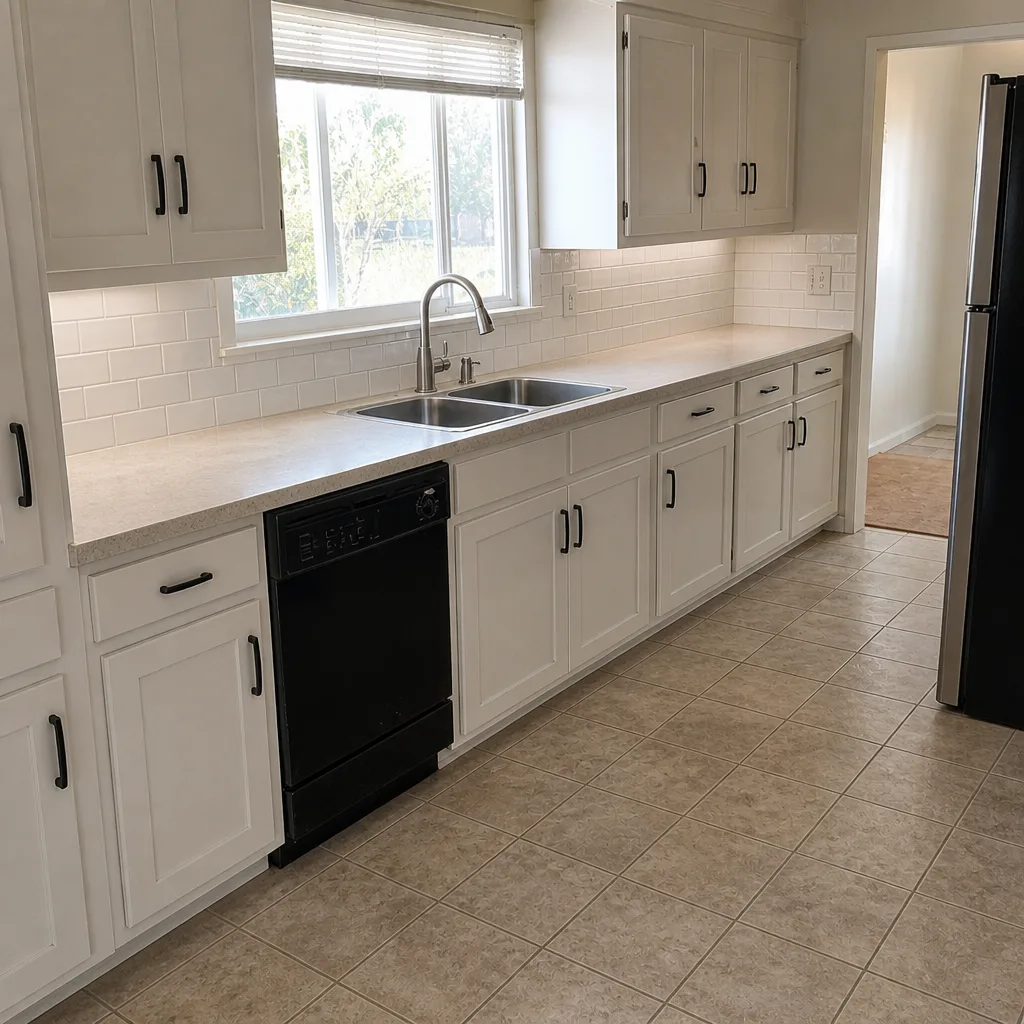 After
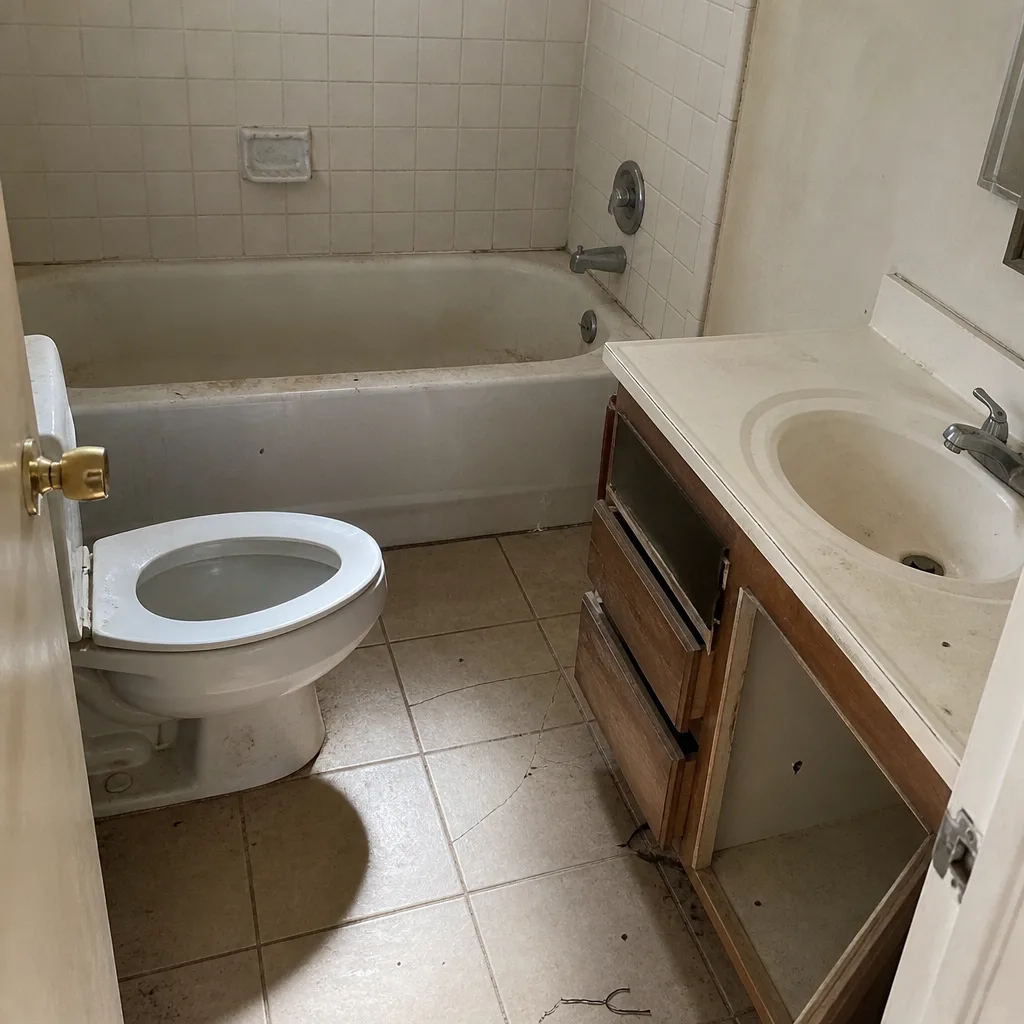 Before
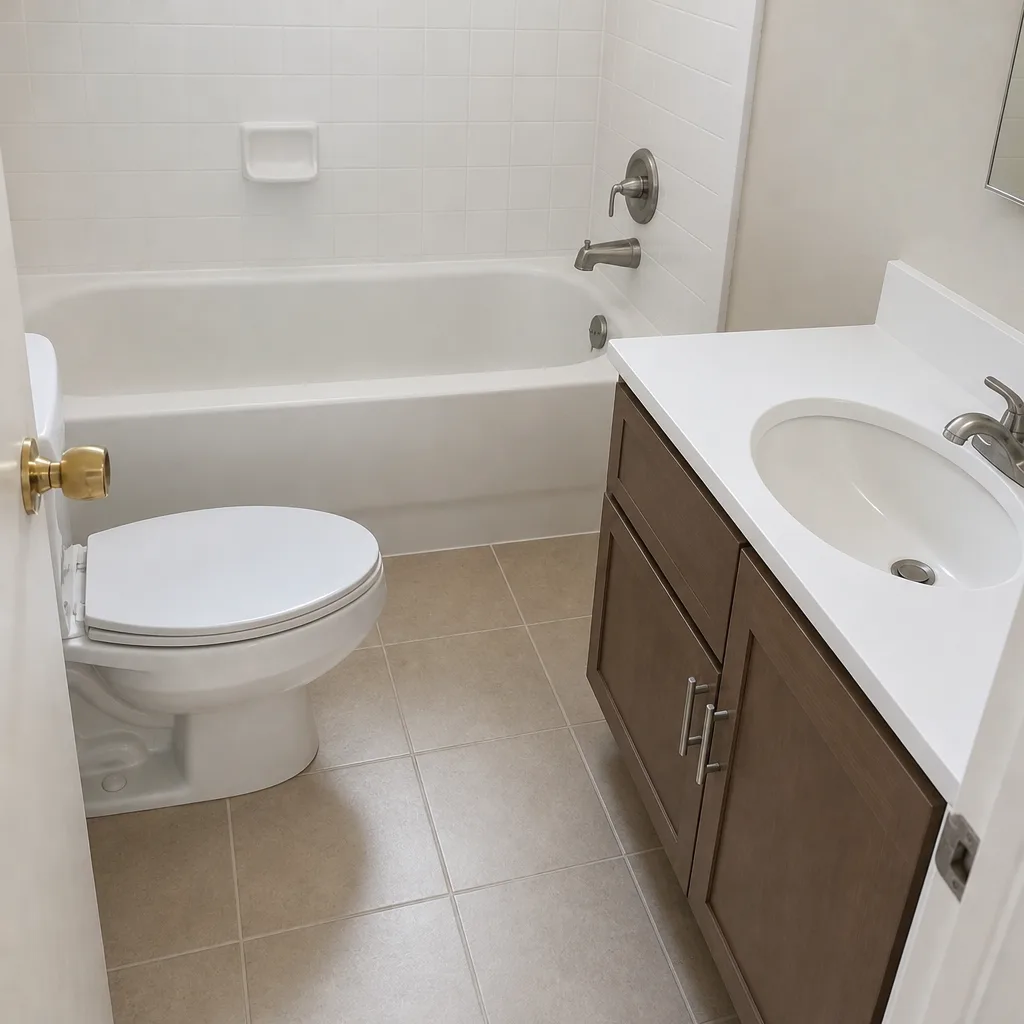 After
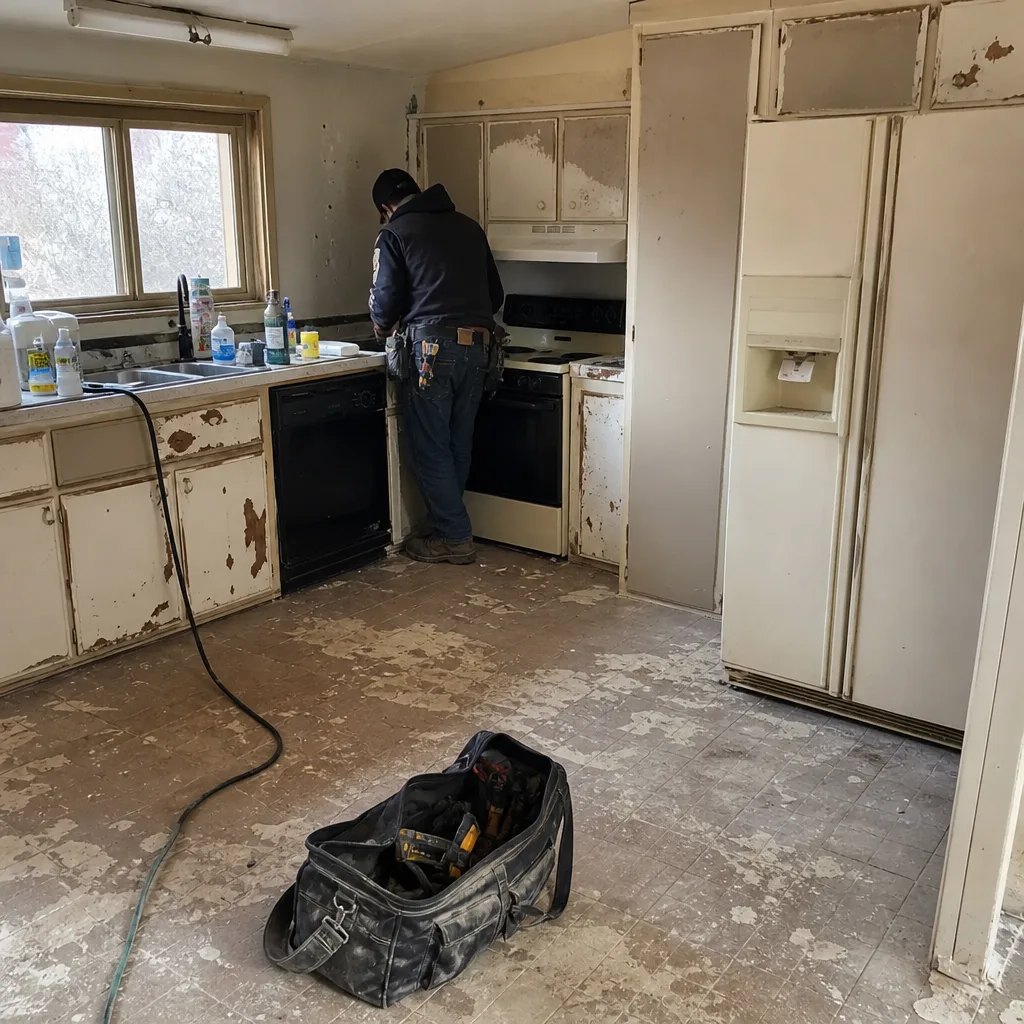 Before
 After
When to Call a Professional
Some preparation is a homeowner job: clearing gutters, capping water bottles, checking smoke alarms. Some is a professional job, and it’s worth calling before you’re forced to. Call us when roof damage is more than a missing shingle, when water is pooling against your foundation, when a vent is damaged or unsafe to reach, when a deck or gate needs a structural repair, or when your driveway or yard is the weak point in your drainage. And if you’re planning a replacement, an addition, or a re-roof, do it in the calm months when there’s time to choose the right materials rather than accept what’s available. Boulder City Construction offers free estimates in Boulder City. Call (888) 329-9854 to schedule yours.
Frequently Asked Questions
The biggest construction-relevant threats in Boulder City are monsoon flash flooding, wildland-urban interface fire with ember exposure, and air conditioning failure during extreme heat. Unlike coastal or storm-belt regions, the local risk is driven by flashy desert runoff, dry brush close to the edge of town, and temperatures that climb to dangerous levels. Preparing for these three covers most of what a local homeowner actually faces.
Drainage work ranges from simple re-grading to a full driveway rebuild depending on the lot. A modest regrade or channel clear might be a modest project, while a full driveway replacement with correct slope and base is a larger investment. We give a written, line-item estimate for free after walking the property, and that estimate sets the final price. Call (888) 329-9854 for yours.
Permit requirements depend on the scope of the work and your local building department. A minor shingle repair may not require a permit, while a full re-roof or structural repair usually does. We check the requirements with the city before any repair and pull the permits if they’re needed, so the work is inspected and approved.
Close up the house, pull the shades on sun-facing windows, and move to the coolest interior spaces immediately. Don’t open windows or doors, and call a professional to diagnose the system. If the interior can’t be kept at a safe temperature, move vulnerable occupants to a cooling location rather than waiting. We answer 24/7, and fast dispatch runs from 7am to 7pm, Sunday through Friday.
Yes, if it’s designed and built correctly. A properly sloped, well-based paver driveway sheds water toward a drainage path instead of pooling at the foundation, and it’s easier to repair after a washout than a cracked concrete slab. Paver systems from Tremron and Techo-Bloc handle desert heat cycling well, and you can reset affected sections instead of replacing the whole surface. We design for drainage, not just look.
Yes. Call (888) 329-9854. We answer 24/7, and fast dispatch runs from 7am to 7pm, Sunday through Friday. A call outside dispatch hours is booked into the next opening. Estimates are free and written line-item before any work begins.
The Bottom Line
Boulder City homes don’t face the emergencies that dominate national preparedness guides, and that’s exactly the point. The work that matters here is monsoon drainage, ember hardening of the exterior envelope, and a cooling plan for extreme heat. None of it is complicated. All of it is easier before the event than after. Start with a drainage walk of the lot, screen the vents, service the HVAC, and document the current condition. Then line up a vetted contractor while the weather is calm, so when something goes wrong, you’re calling someone who already knows your home. Call (888) 329-9854 to schedule a free estimate.
Written by the team at Boulder City Construction.