Last updated November 18, 2026
Free written scope consultation - allowances, timeline, and change-order rules on paper before a single trade is scheduled
Construction Cost Breakdown: The Boulder City Homeowner’s Reference for 2026
The national average for a kitchen remodel that shows up in every cost guide online is built from labor rates in Minneapolis and material prices in Atlanta. It tells you almost nothing about what your actual number looks like in Boulder City. Here, your cost is shaped by Las Vegas supplier margins, material specs built for Mojave heat and sun, and a permit fee schedule that guide has never seen. Some Boulder City projects come in above those national figures. Others come in below. This reference walks through both, project by project, so you can read a bid and know what you’re looking at.
Quick Answer
Construction costs in Boulder City usually run higher than national benchmarks on roofing, windows, and paver work because of desert-rated material specs and delivery distances from Las Vegas suppliers, and lower on foundations, framing, and HVAC because there are no basements and no frost depth to build for. A full kitchen remodel typically lands somewhere between $28,000 and $85,000 depending on cabinet line and stone surface, a bathroom between $14,000 and $38,000, and a site-built addition or ADU well above that. Every one of those numbers is an estimate; the written, line-item quote on your specific scope sets the final price.
Styles & brands we work with
- Kitchen remodeling
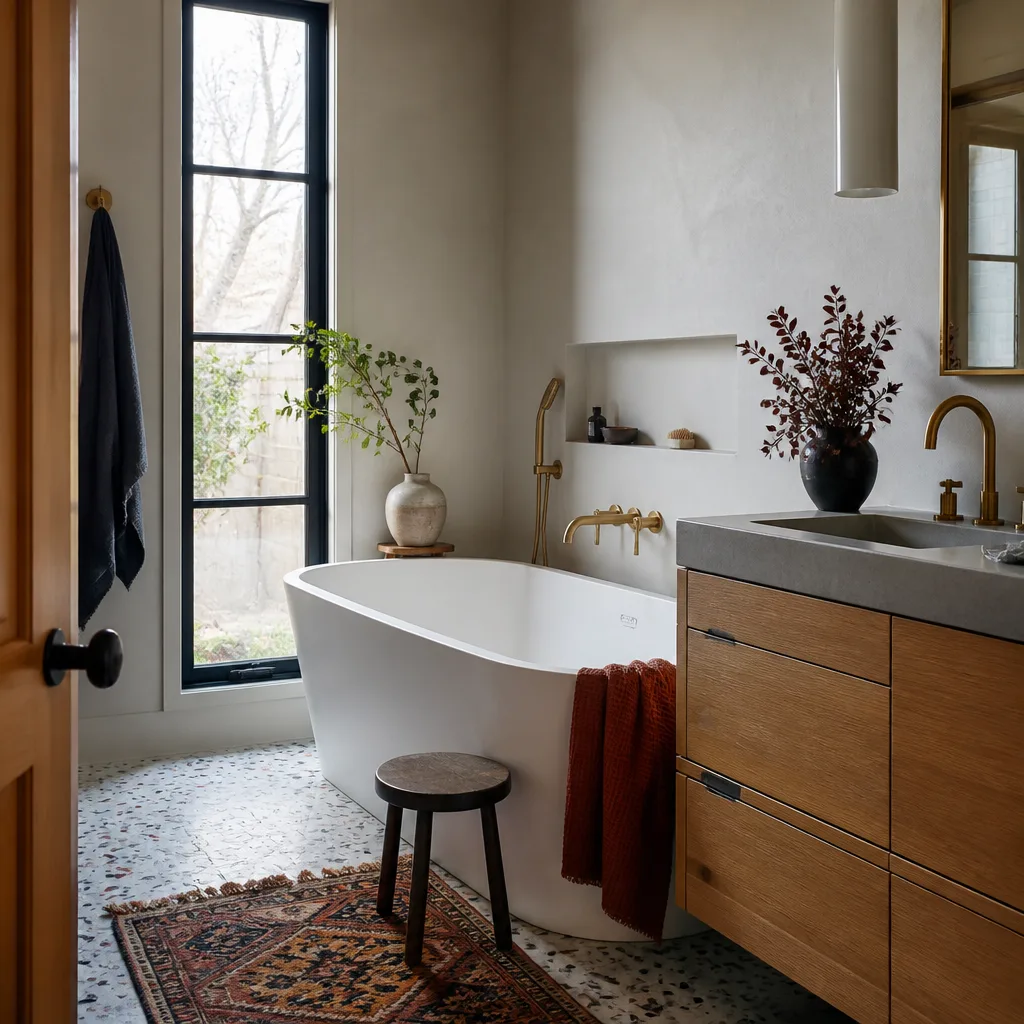
- Bathroom remodeling
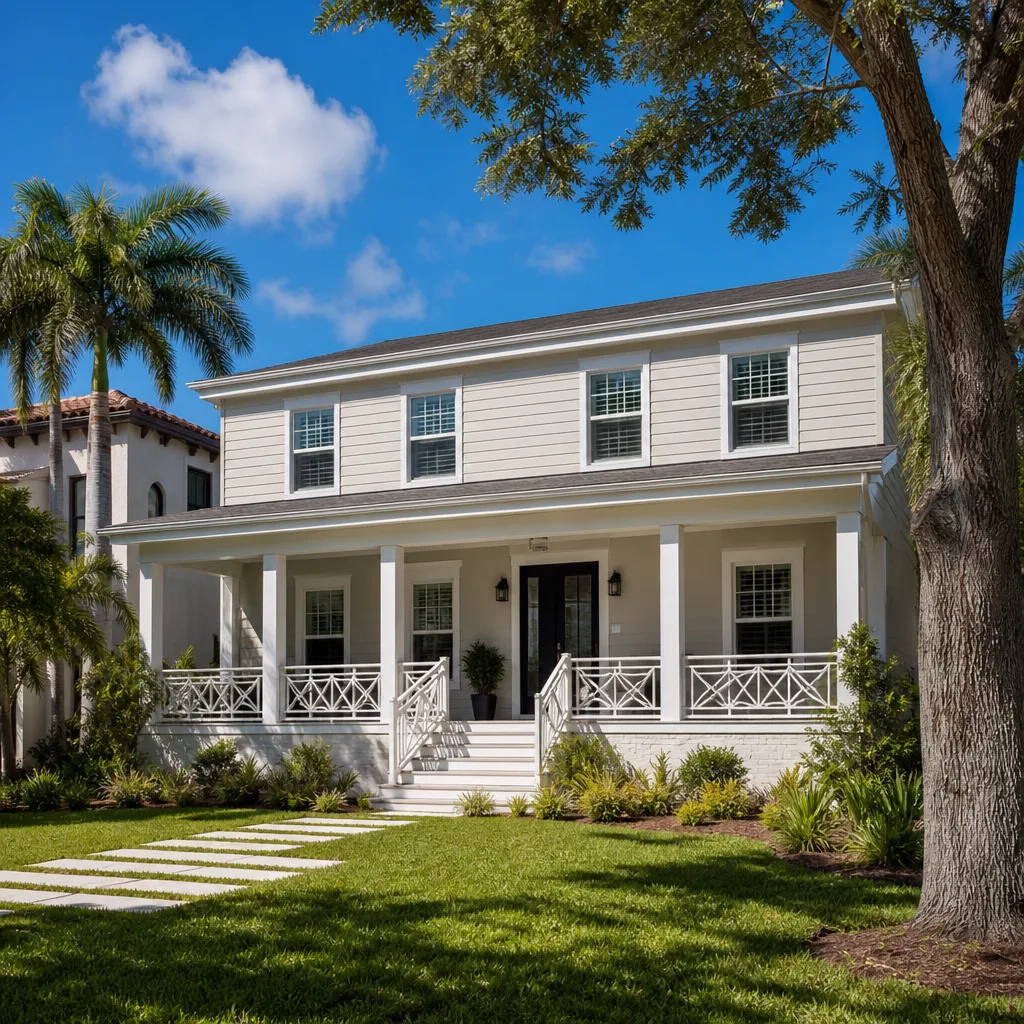
- Home additions & ADU
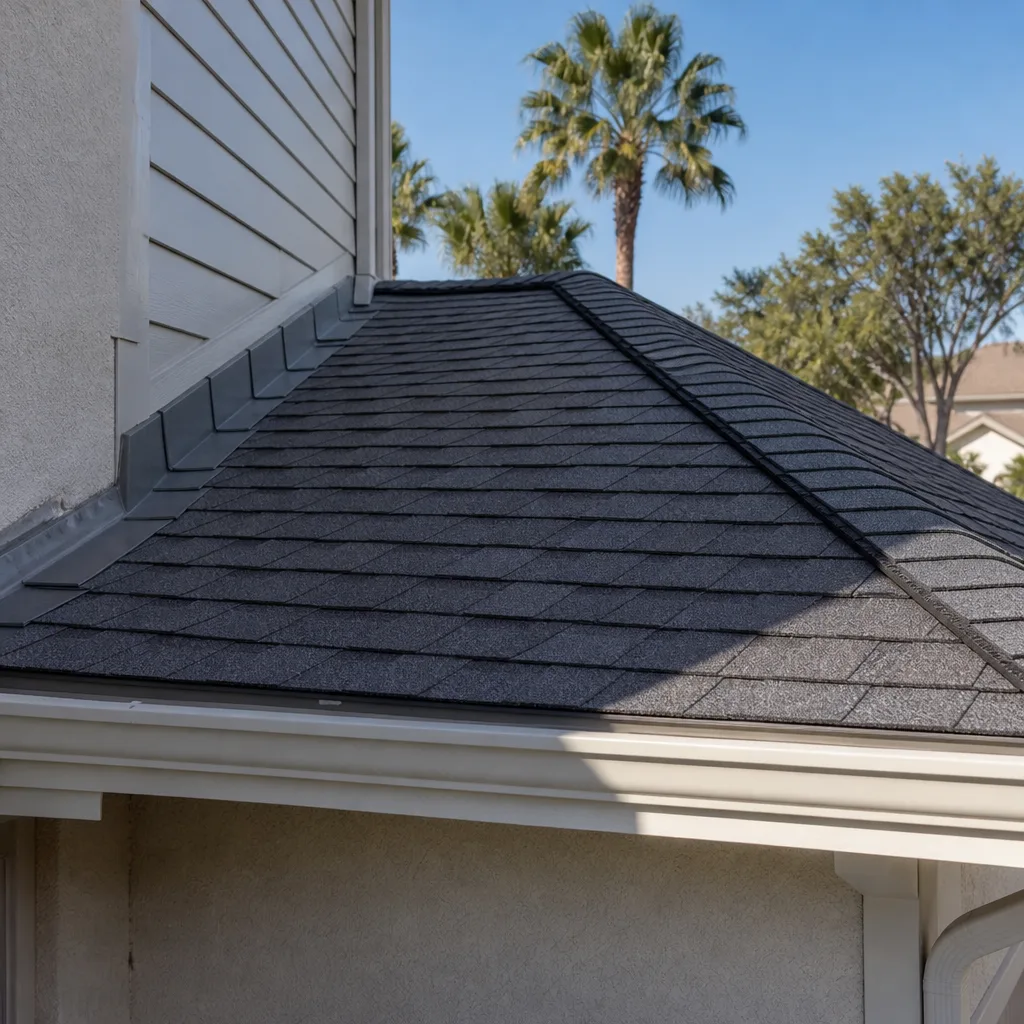
- Roofing
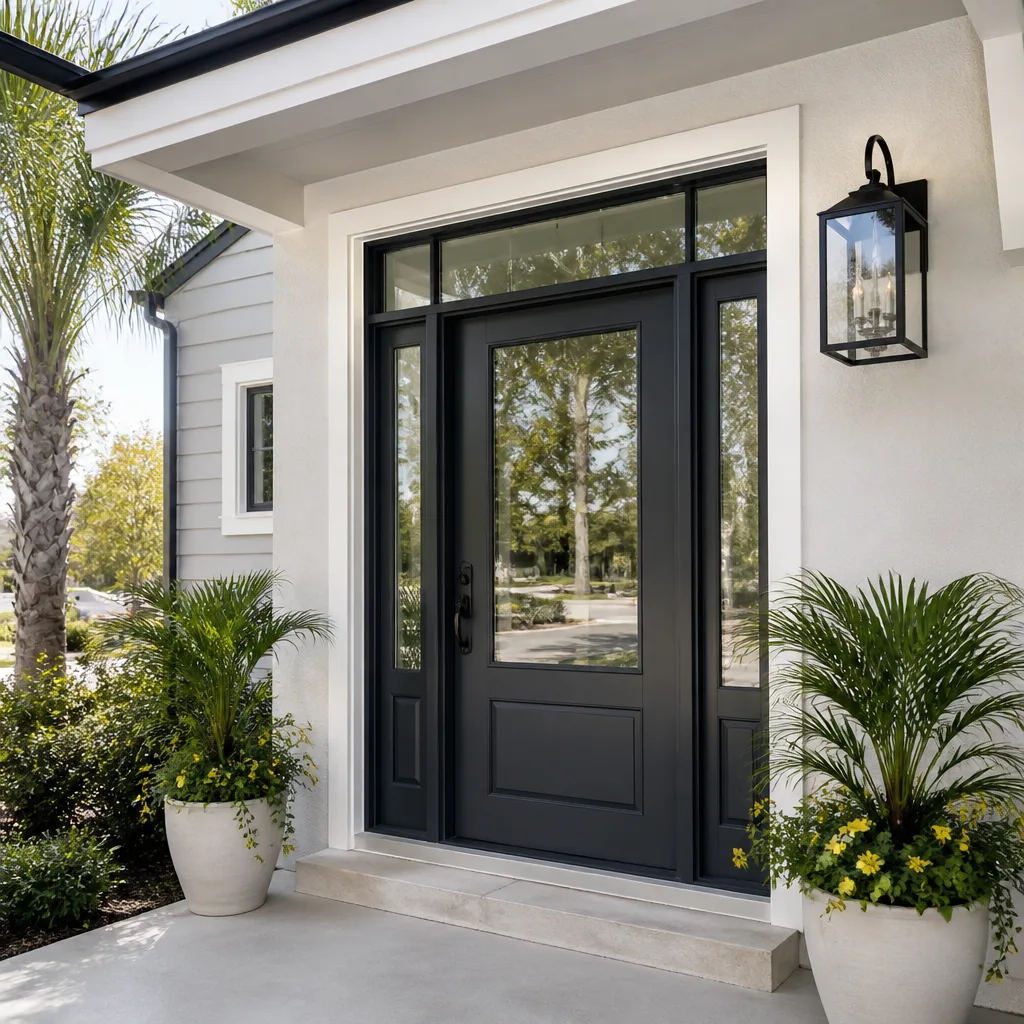
- Windows & doors
- Driveway & pavers
- Fence
Table of Contents
- Why National Cost-Per-Square-Foot Benchmarks Miss Boulder City
- Project-by-Project Cost Ranges for Boulder City
- Where Boulder City Projects Cost More Than the National Average
- Where Boulder City Projects Cost Less Than the National Average
- How to Read a Contractor Bid, Line by Line
- The Real Cost of Change Orders After a Permit Is Issued
- The Full-Scope Advantage for a Boulder City Home
Why National Cost-Per-Square-Foot Benchmarks Miss Boulder City
A national cost guide is an average of averages. It pools labor from every metro, materials from every supply chain, and climate assumptions from everywhere. Boulder City sits on the wrong end of a few of those assumptions and the right end of several others, and the two don’t cancel out cleanly.
Start with distance. Most of your finish materials come out of Las Vegas suppliers, and that run down US-93 adds freight to every delivery of pavers, cabinets, stone slabs, and roofing bundles. On a small job, freight is a footnote. On a paver driveway or a full roof, it shows up in the bid as a real line item. It’s one reason we work through a broad roster of manufacturer brands rather than a single supplier – having options on where material comes from keeps that freight from becoming a fixed penalty.
Then there’s climate. Standard products spec’d for a moderate climate don’t always survive a Mojave summer. Roofing materials need to handle intense UV and heat cycling. Exterior finishes need to hold color under relentless sun. Windows need solar performance that a generic spec sheet won’t give you. Each of those upgrades costs something, and none of it appears in a national average.
Then the deductions. Boulder City sits on ground where frost depth requirements are effectively nil, so footings are simpler. There are no basements here, which removes an entire category of excavation and waterproofing expense that inflates national averages. Single-story ranch-style homes, common in this area, also simplify HVAC zoning compared with two-story layouts. The result is a market where some line items run hot and others run cold, and the only way to know your number is to price your actual scope.
Project-by-Project Cost Ranges for Boulder City
These are typical ranges for Boulder City work in 2026. They are estimates, not quotes. Material choice moves the number more than anything else, which is why the cabinet line and stone surface appear on the same line as the total. A kitchen built around KraftMaid cabinets and a Silestone surface sits in a different band than one spec’d with a builder-grade substitute.
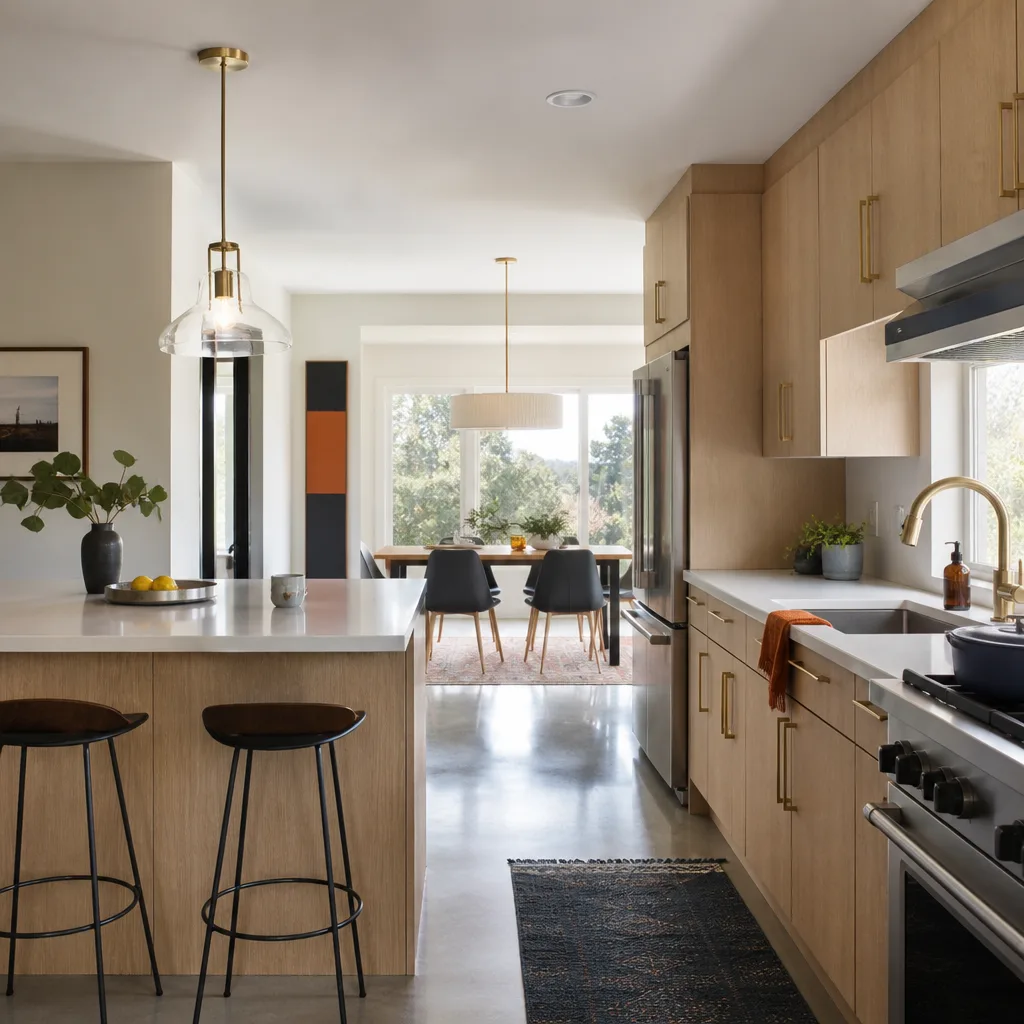
- Kitchen remodel: roughly $28,000 to $85,000. Cabinetry and countertop surface are the two biggest swing factors. Stone from Cambria, Caesarstone, or Silestone lands toward the upper range; a mid-tier cabinet line keeps the total down.
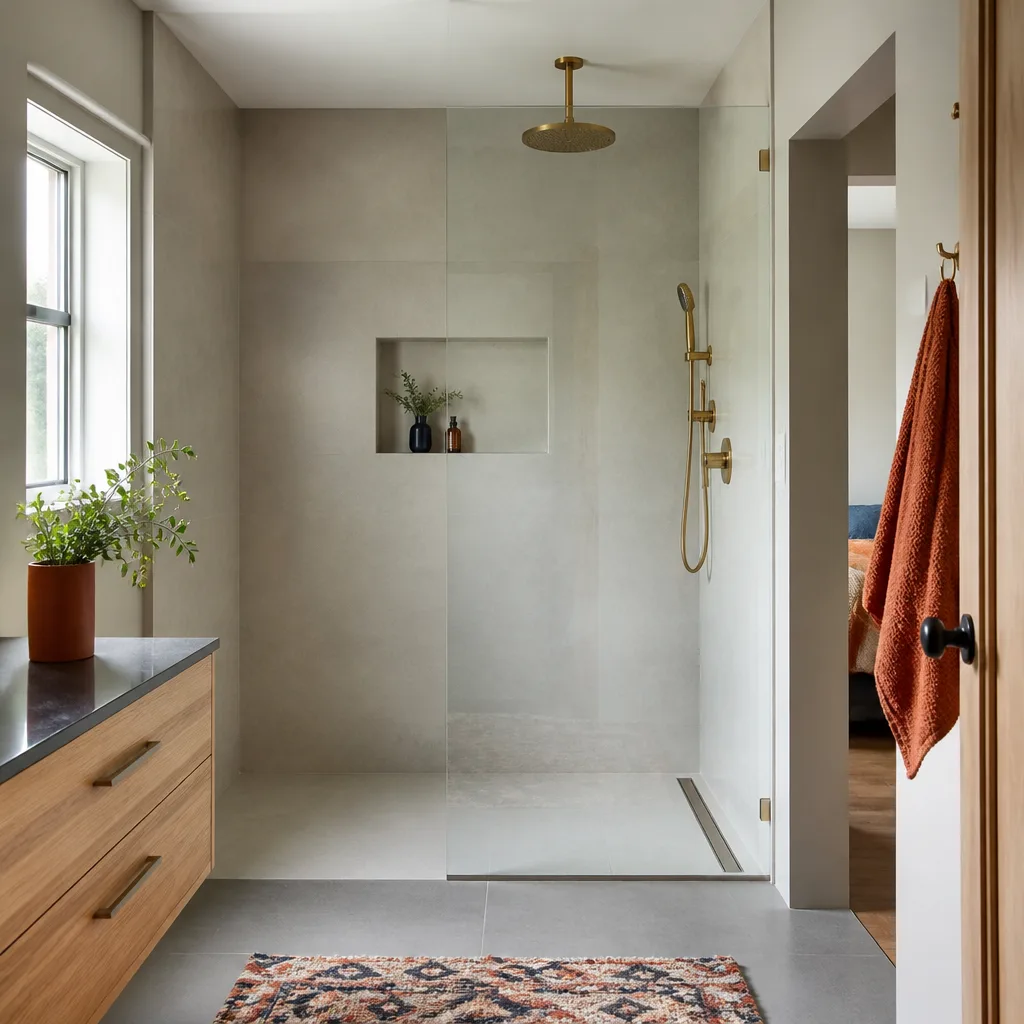
- Bathroom remodel: roughly $14,000 to $38,000. Fixtures from Kohler, Grohe, Moen, or Toto, plus tile selection and layout changes, drive the spread.
- Full roof replacement: roughly $12,000 to $32,000 for a typical single-family home, depending on roof complexity, pitch, and material. GAF, CertainTeed, Owens Corning, IKO, and Atlas all offer systems in different price bands, so the brand choice matters.
- Window and door replacement: roughly $600 to $1,800 per opening installed, varying with size, frame material, and glass performance.
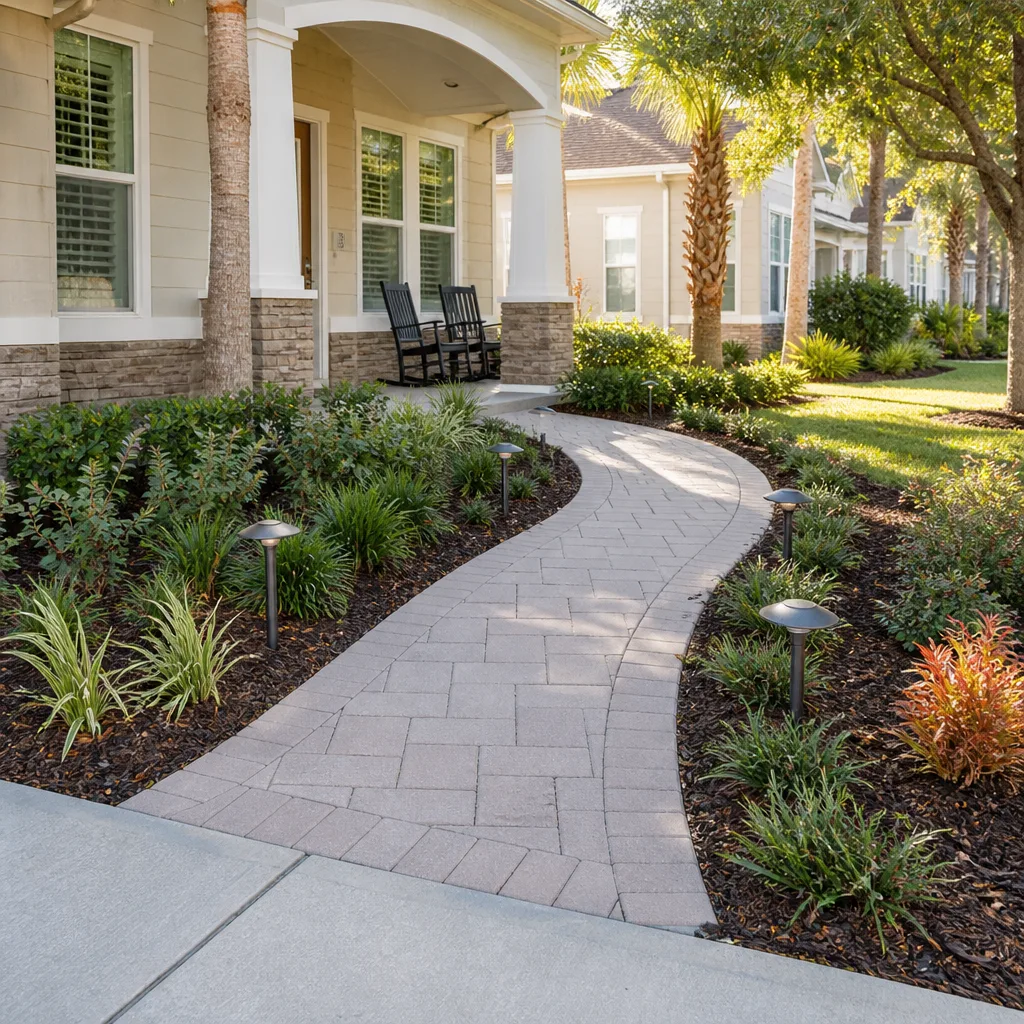
- Driveway and paver work: roughly $14 to $34 per square foot installed, higher for designer paver systems from Belgard, Unilock, Techo-Bloc, or Cambridge Pavers than for simple concrete.
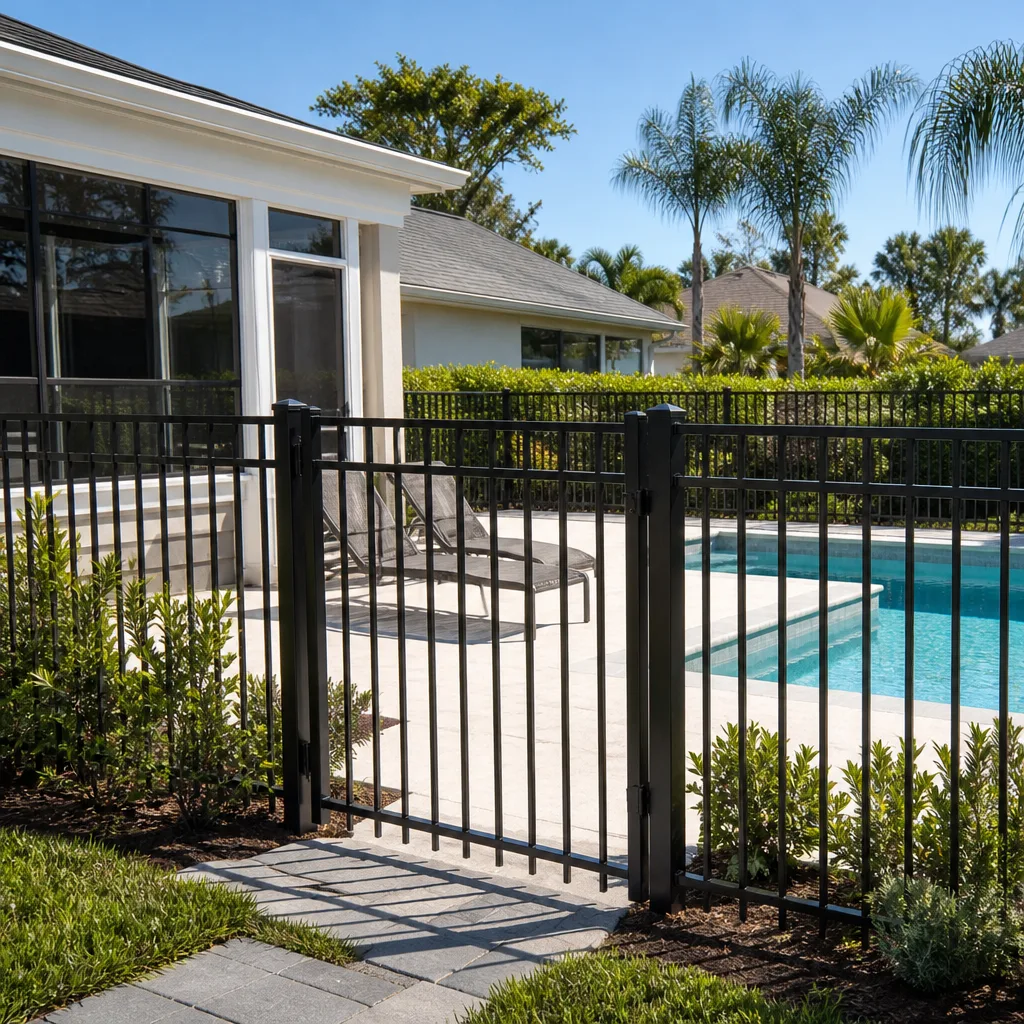
- Fence installation: roughly $30 to $75 per linear foot depending on material and height.
- Home addition or ADU: site-built additions typically run well north of $200 per square foot once foundation, framing, finishes, and utility work are counted. Prefab options from Abodu, Dvele, Mighty Buildings, or Plant Prefab can change the timeline and the budget structure.
Those ranges are honest ballparks. The written, line-item estimate on your specific house and scope is what actually sets the price. We don’t do change orders after the fact, and we don’t pad a bid to cover a guess.
Where Boulder City Projects Cost More Than the National Average
Three forces push Boulder City costs above national benchmarks, and all three are worth understanding before you compare bids from different contractors.
- Material delivery premiums. Freight from Las Vegas suppliers is built into every heavy delivery. Roofing, pavers, and large stone slabs all carry it. A bid that seems low on material may simply have spec’d a lighter, thinner, or lower-grade product to absorb the freight.
- Desert-rated specification. Products engineered for Mojave UV exposure, heat cycling, and dry conditions cost more than their moderate-climate equivalents. Roofing underlayment, exterior coatings, sealants, and window glass performance all fall into this bucket. The premium buys longevity in this climate, not luxury.
- Boulder City permit fees. Local permit and inspection fees are set by the city and are not negotiable. They appear on a legitimate bid as a pass-through line item, and they don’t shrink because a contractor found a cheaper way to do the work.
None of these are reasons to avoid a project. They’re reasons to read a bid carefully and ask what material is spec’d. When one contractor’s number is dramatically lower than the rest, the difference is almost always in one of these three places.
Where Boulder City Projects Cost Less Than the National Average
Here’s the flip side, and it’s meaningful. Several cost categories that inflate national averages simply don’t exist here, or exist in a simplified form.
- No frost footings. In cold climates, foundations have to be dug below frost depth so they don’t heave. Boulder City’s ground doesn’t freeze to a depth that requires this, so foundation work is simpler and cheaper than a national average suggests.
- No basement waterproofing. National averages for additions and remodels often include below-grade work. There are no basements here, so that entire cost category drops out of the equation.
- Simplified HVAC zoning. Single-story ranch-style homes common in this area make HVAC distribution simpler than a two-story layout requires. Fewer zones, simpler duct runs, lower cost.
- Simplified framing. Without snow load and frost considerations dictating heavier framing, the structural side of an addition can be more straightforward.
Those savings are real, but they show up unevenly. If your project is mostly finish work – a kitchen, a bathroom – you won’t feel them much because finish materials dominate. If your project is structural – an addition, a new foundation, a slab – they matter a lot more. This is why a single square-foot number can’t tell you anything useful; the mix of structural and finish work determines which set of local factors wins.
How to Read a Contractor Bid, Line by Line
A bid is not just a total. It’s a description of what’s going into your home, and the line items are where you learn whether the number is honest. Here’s how to read one.
- Check for brand names on materials. A legitimate bid names the product. “Roofing material” is a red flag; “GAF Timberline HDZ” or “CertainTeed Landmark” tells you what you’re getting. If brands aren’t named, ask. If the answer is vague, that’s information.
- Look for a line item for permits and inspections. A bid that doesn’t mention permit fees is either absorbing them (which means the number is padded elsewhere) or planning to skip them (which is a problem). Permits get pulled and inspections get passed. That’s non-negotiable, and it should be visible.
- Check the demolition and disposal line. Hauling debris out of Boulder City costs real money. A bid with no demo or disposal line is either incomplete or cutting a corner.
- Verify the finish schedule. For kitchens and baths, the bid should specify cabinet line and countertop surface. If it says “cabinets” with no manufacturer, ask which one. The difference between a KraftMaid or Wellborn line and a builder-grade substitute is significant, and it’s the most common place a low bid hides.
- Look for a workmanship warranty statement. A written warranty is a sign the contractor stands behind the work. Ask what it covers and for how long.
- Check the payment schedule. A large deposit before any work begins is a flag. A normal schedule ties payments to completed phases.
- Ask what’s excluded. Every bid has exclusions. A good bid states them clearly. Vague exclusions are how a fixed price becomes a moving one.
We write estimates line by line for exactly this reason. A Boulder City homeowner should be able to see what they’re paying for and why.
The Real Cost of Change Orders After a Permit Is Issued
Here’s where Boulder City’s permit environment turns a mid-project decision into a real expense. Before a permit is issued, a change is a design decision. After the permit is issued, a change is a re-submittal, a re-review, potentially a re-inspection, and a schedule reset.
The multiplier works in two directions at once. On money, you pay for the changed material, for any work already done that gets undone, and for the administrative cost of the amendment. On time, a change order after permit issuance can add weeks to the project because the city has to review the revision before the inspector will sign off. Both effects compound: a change made late in a phase can stall the next phase while the paperwork clears.
This is why the biggest cost-saving decision in any Boulder City project happens before the first permit application, not after. Lock the scope, pick the surfaces, select the cabinet line and fixture brands, and resolve structural questions before submittal. Every decision made at that stage is free. Every decision made after permit issuance carries the multiplier.
We build our estimates around this reality. We’d rather spend an extra conversation with you at the planning stage than spend your budget and your calendar on a change order six weeks in. You choose the surface; we handle everything else.
The Full-Scope Advantage for a Boulder City Home
Most cost guides assume a single trade at a time: a roofing contractor for the roof, a cabinet shop for the kitchen, a fence company for the fence. When each of those trades is a separate contractor, each one carries its own overhead, its own scheduling, and its own warranty conversation. When a problem lands between two of them, nobody owns it.
A single-source contractor handles the roofline, the driveway, the fence, the windows and doors, and the interior work under one contract. That matters on cost for a simple reason: when one party controls the full schedule, you don’t pay for days spent waiting on another trade to show up. When one party owns the permit and the warranty, there’s no finger-pointing about whose sub damaged what.
If a project touches both the exterior and the interior – say a roof replacement alongside a bathroom remodel, or a new paver driveway timed with a kitchen update – coordinating it under one contract saves real money and real headaches. The exterior work is covered by driveway & pavers scope and roofing; the interior falls under the same team. When you’re ready to price a whole-home scope, we’ll write one estimate that covers every phase.
Common Mistakes to Avoid
- Pricing off a national square-foot average. Those figures mix climates and labor markets. Use them as a starting reference, then get a local line-item estimate before making any decision.
- Choosing the lowest bid without reading the material specs. The low bid almost always wins by substituting a cheaper material. A bid that names its products and a bid that doesn’t aren’t really comparable.
- Changing scope after the permit is issued. Boulder City’s permit process means a post-issuance change costs money and schedule. Lock the scope before submittal.
- Skipping the permit to save on fees. A skipped permit can create problems when you sell and can complicate inspection of related work. The fee is small compared with the risk.
- Hiring separate contractors for exterior and interior work without coordinating schedules. Two schedules that don’t talk to each other cost you money in idle days and finger-pointing when something’s off.
- Treating an ADU like a standard addition. Prefab pathways from brands like Abodu, Dvele, Mighty Buildings, or Plant Prefab have a different cost and timeline structure than a site-built addition. Price both before deciding.
- Ignoring the change-order multiplier when planning. Every decision deferred past permit issuance gets more expensive. Make material and layout choices during planning, not during construction.
See the difference
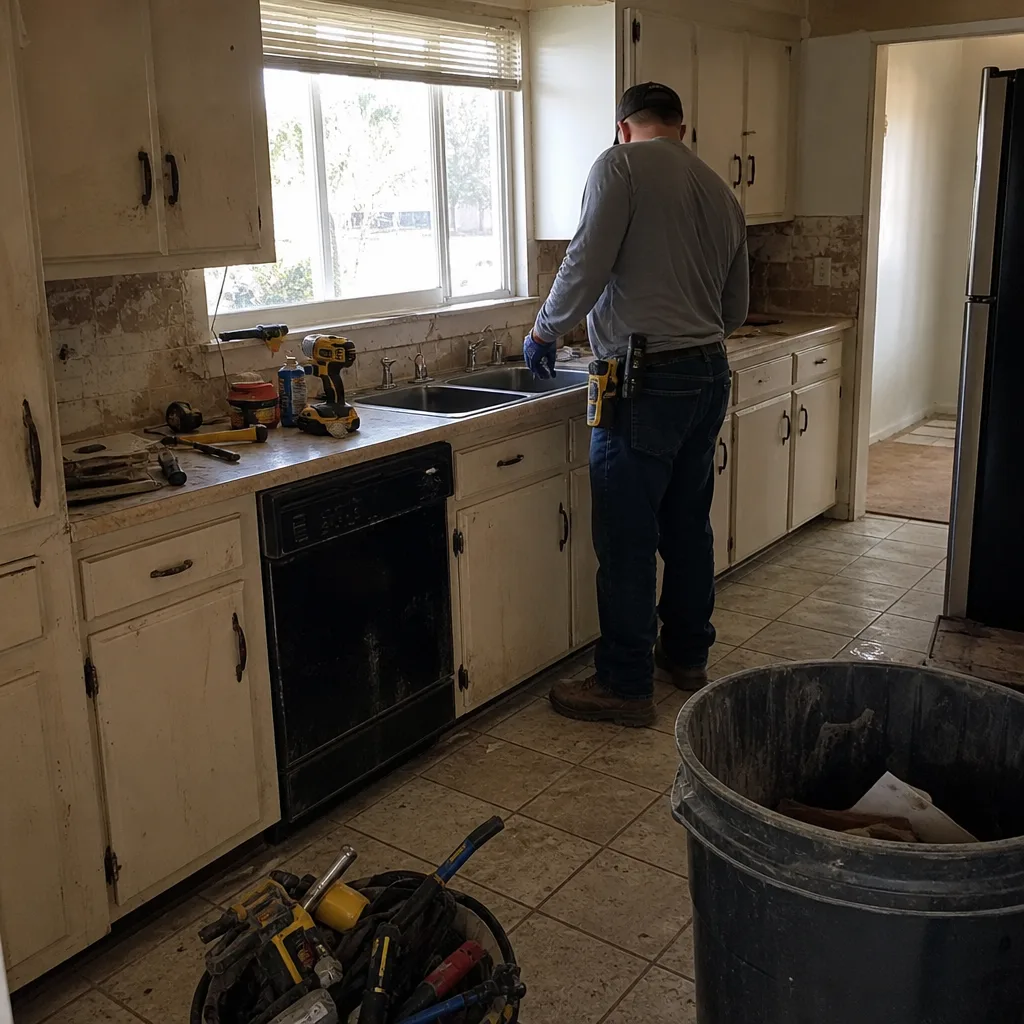 Before
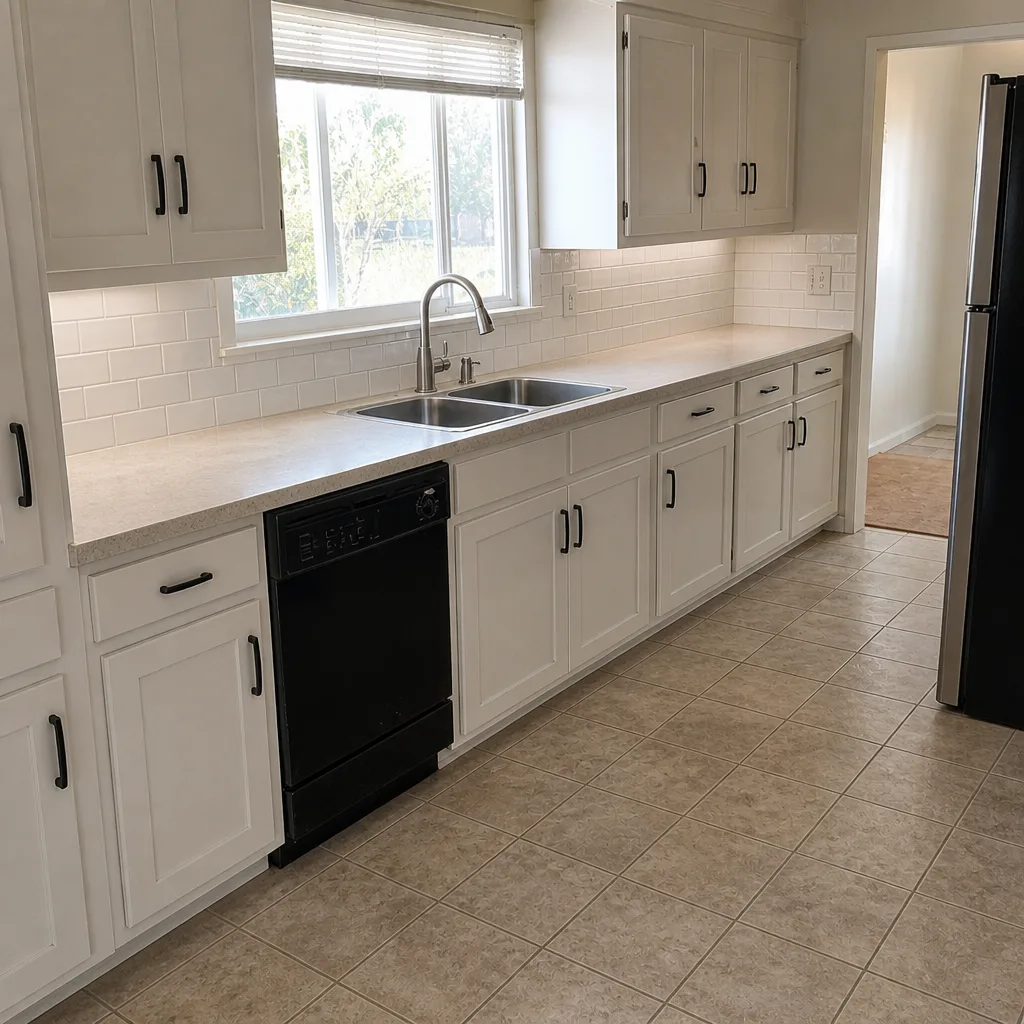 After
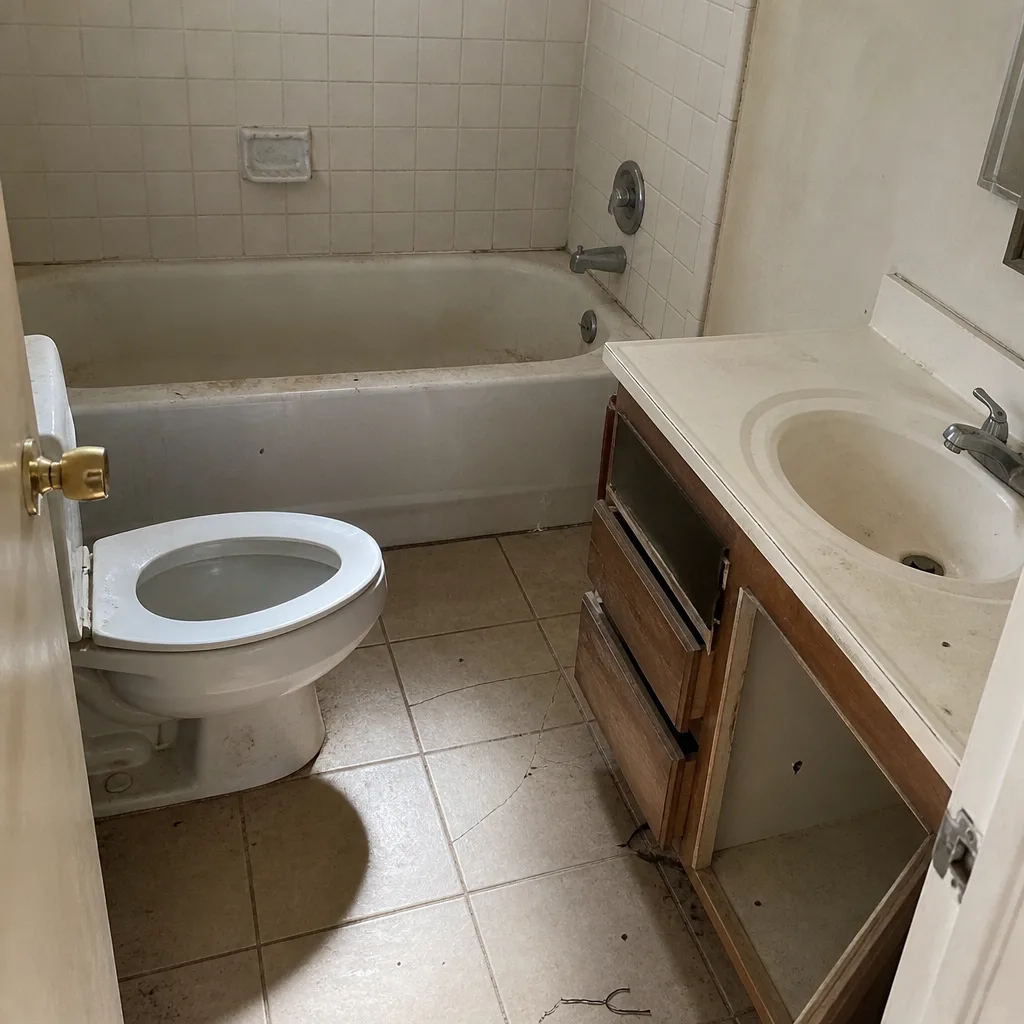 Before
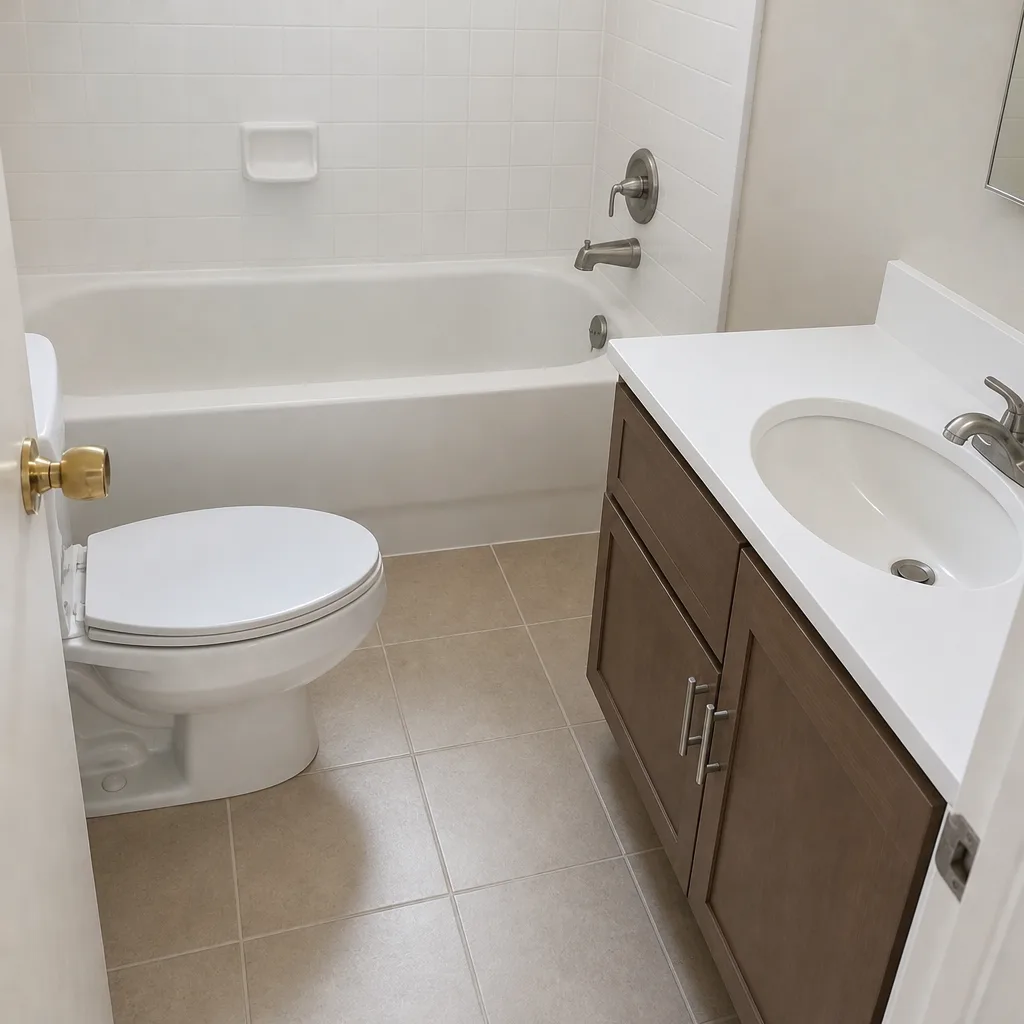 After
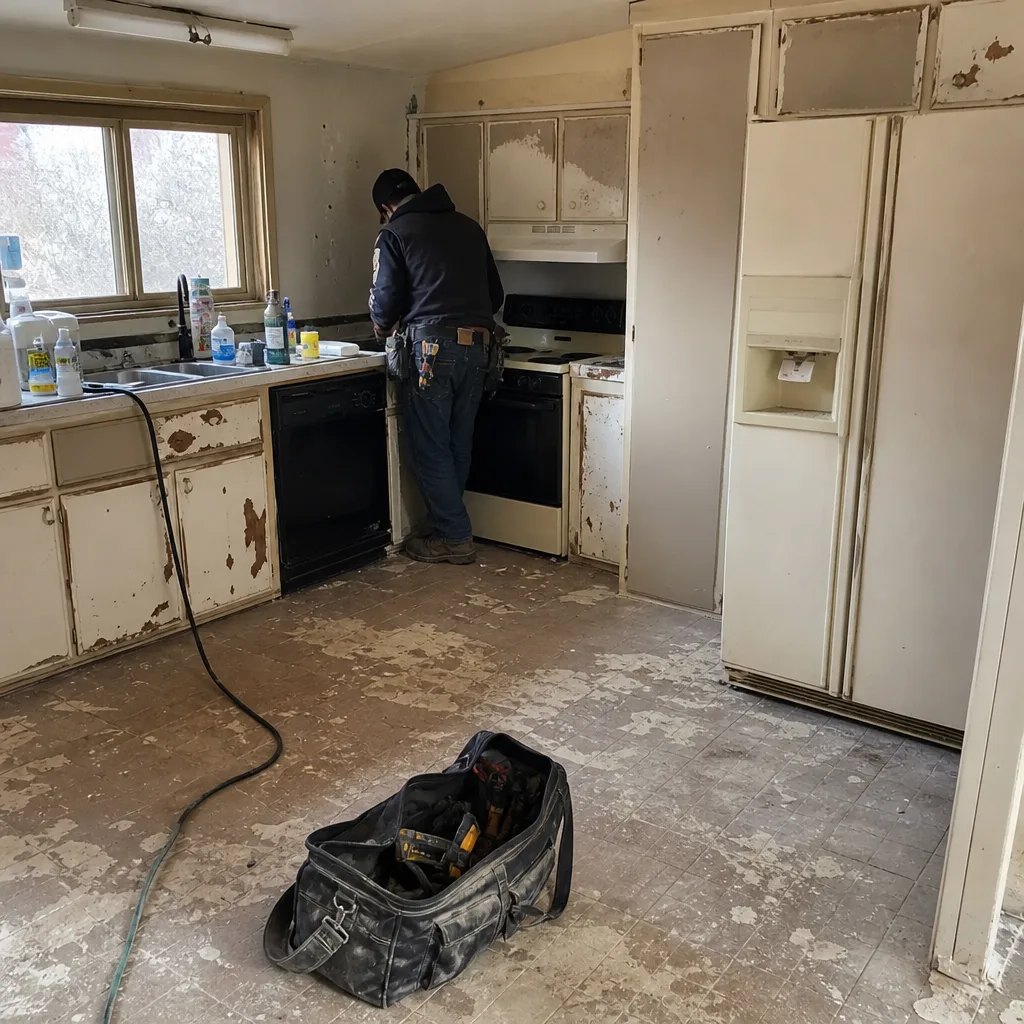 Before
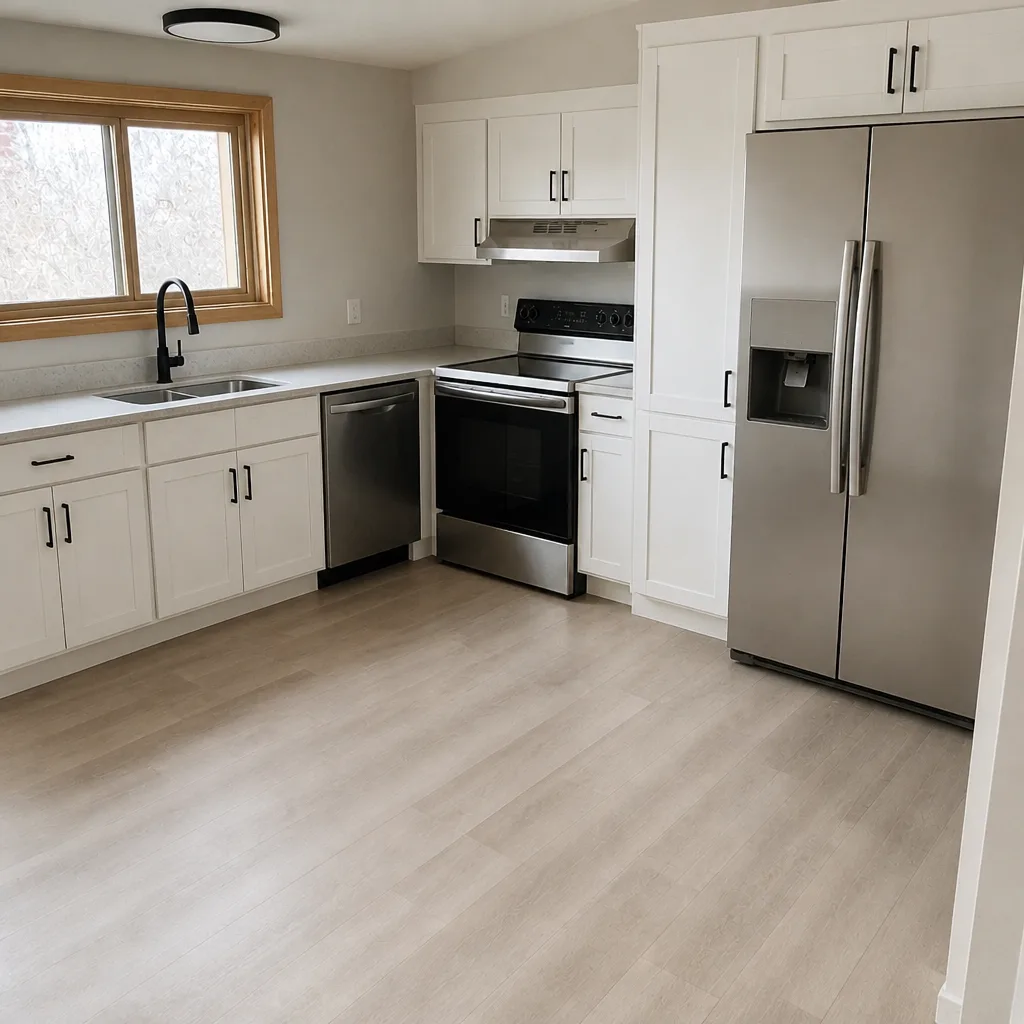 After
When to Call a Professional
Some work is genuinely not a DIY project. Anything that touches structural framing, electrical, gas lines, or the roof at height belongs with a licensed professional. A misjudged load calculation or a bad gas connection is a safety problem, not a budget problem. If your project involves a kitchen or bathroom where plumbing or electrical will be moved, get a professional. If your addition or ADU needs a foundation, get a professional. If you’re weighing site-built versus prefab, or if you’re trying to decide whether a project pencils out at all, get an estimate before you commit to anything. Boulder City Construction offers free estimates in Boulder City. Call (888) 329-9854.
Frequently Asked Questions
A typical kitchen remodel in Boulder City runs roughly $28,000 to $85,000 depending on cabinet line and countertop surface. A mid-tier cabinet line with a quartz or natural stone surface lands in the middle of that range, while a higher-spec kitchen with designer cabinetry and premium stone from Cambria or Caesarstone pushes toward the top. The written, line-item estimate on your specific layout sets the final price. Call (888) 329-9854 for an exact quote – estimates are free.
Three reasons: material delivery premiums from Las Vegas suppliers, desert-rated material specs that cost more than moderate-climate equivalents, and Boulder City permit fees. Each of these shows up in a legitimate bid as a visible line item, and each is worth understanding before you compare contractors. Call (888) 329-9854 if you’d like us to walk through which of these apply to your scope – estimates are free.
Yes, on structural and foundation work. Boulder City has no frost depth to build for and no basements, so foundation work and the waterproofing that typically accompanies it cost less here than national averages suggest. Single-story ranch layouts also simplify HVAC zoning. Finish-heavy projects feel these savings less than structural ones. Call (888) 329-9854 to get a local estimate on your project – it’s free.
No, if the scope is locked before the permit is issued. We use fixed pricing and no change orders, which means the number on the written estimate is the number you pay. The one thing that changes it is a scope change after permit issuance, which carries a real multiplier in both time and money in Boulder City’s permit environment. That’s why we spend extra time at planning. Call (888) 329-9854 to start the conversation.
Yes. Permits are pulled and inspections are passed as part of the work, and permit fees appear on the estimate as a line item. Skipping a permit creates problems later, and we don’t do work that way. Call (888) 329-9854 with questions about which projects need a permit – estimates are free.
A bathroom typically takes a few weeks from demo to final inspection, while a full kitchen usually runs longer because of cabinetry lead times and cabinet and countertop sequencing. Additions and ADUs run months, and prefab pathways from brands like Abodu or Plant Prefab can shorten that timeline considerably. Exact schedule depends on your scope and the permit review period. Call (888) 329-9854 for a more specific timeline on your project.
The Bottom Line
National cost-per-square-foot averages are a starting reference, not a number you can plan a Boulder City project around. This market runs higher on desert-rated materials, supplier freight, and city permit fees, and lower on foundation, basement, and HVAC work, so your actual number depends on which of those categories your scope touches. Lock the scope before the permit goes in, read every bid’s material line carefully, and insist on a written, line-item estimate. Then price your actual project with someone local who knows the difference. Call (888) 329-9854. We answer 24/7, fast dispatch from 7am to 7pm, Sunday through Friday.
Written by the team at Boulder City Construction.