Last updated November 18, 2026
Free written scope consultation - allowances, timeline, and change-order rules on paper before a single trade is scheduled
The Complete Driveway & Pavers Guide for Boulder City Homeowners
Most driveway advice you’ll read was written for a suburb with mild summers and deep topsoil. Boulder City is neither. Surface pavement here can push past 160°F on a July afternoon, the ground beneath it is often caliche hardpan that behaves like weak concrete, and the HOA overlay zones add a layer of rules most paver guides never mention. That combination narrows your real material options faster than any price comparison will. This guide walks through heat tolerance by material, how caliche changes base preparation, what Boulder City’s impervious-surface rules mean for your layout, and why jointing sand matters more here than almost anywhere else. By the end you’ll know what to ask before a single contractor shows up.
Quick Answer
Driveway pavers in Boulder City usually work well when you choose a heat-stable material (concrete pavers or properly sealed natural stone), specify a compacted base deep enough for caliche conditions, and use polymeric jointing sand rated for high UV. Asphalt and some composite products struggle with Mojave surface heat. Confirm your HOA overlay and impervious-coverage limits before you finalize a layout, and get a written, line-item estimate so the base depth and drainage design are spelled out, not assumed.
Styles & brands we work with
- Kitchen remodeling
- Bathroom remodeling
- Home additions & ADU
- Roofing
- Windows & doors
- Driveway & pavers
- Fence
Table of Contents
- Why Heat Changes Every Paver Decision in Boulder City
- How Caliche Soil Affects Base Preparation and Drainage
- Material-by-Material Heat Tolerance Breakdown
- Boulder City Code, HOA Overlays, and Impervious Surface Coverage
- Polymeric Sand vs. Standard Jointing Sand in Extreme UV
- What a Proper Base Specification Looks Like Here
- What Pavers Cost and What Drives the Number
- Keeping a Paver Driveway Healthy Through the Seasons
Why Heat Changes Every Paver Decision in Boulder City
Boulder City sits in the Mojave, and that single fact reorganizes the whole decision. Pavement absorbs solar energy all day and radiates it back. On a summer afternoon, exposed hardscape surfaces here routinely pass 160°F. That’s not a comfort issue; it’s a materials issue. Adhesives soften, sealers degrade faster, and some joint sands lose their bind. Products that perform beautifully in cooler climates can fail their first August in Boulder City.
Heat also drives thermal expansion. A paver field that’s tight in January will push against its edge restraints by July unless the installer planned for movement. On a Boulder City driveway with full western sun, expansion joints and edge anchoring aren’t optional details; they’re what keeps the surface flat for years instead of months.
What this means for you as a homeowner:
- Ask for the heat rating of any sealer or adhesive, not just the paver.
- Choose lighter tones where you can. Light colors reflect more solar energy and stay measurably cooler underfoot.
- Plan drainage for flash storms. Desert soils shed water fast until a monsoon cell dumps an inch in twenty minutes, then hardpan sends it running.
- Don’t skip edge restraint. In a hot, expansive climate the border is structural, not decorative.
We work with designer paver lines from Belgard, Unilock, Techo-Bloc, and Cambridge Pavers specifically because those manufacturers publish performance data across temperature ranges. You can compare products on specs instead of guessing. If you’d rather talk through materials before committing, the team at Boulder City Construction handles that conversation as part of a free estimate.
How Caliche Soil Affects Base Preparation and Drainage
Caliche is a calcium-carbonate hardpan that forms in arid soils, and around Boulder City it sits at unpredictable depths. Sometimes it’s a few inches down. Sometimes you hit it at two feet. Either way, standard Nevada base-prep specs assume you can excavate to a uniform depth and compact a clean aggregate layer. Caliche breaks that assumption: it doesn’t drain, it’s tough to dig, and water pools on top of it instead of soaking away.
A driveway built over improperly handled caliche will heave, crack, or hold water at the worst possible moment. That’s why base preparation here takes more excavation and often more base material than a homeowner expects from a plan drawn on flat ground.
Here’s what a regionally appropriate approach looks like:
- Test the subgrade. A test pit or probing determines where caliche begins and how thick it is.
- Over-excavate past the hardpan. Installers remove enough material to reach stable subgrade and rebuild from there.
- Choose a free-draining base aggregate. Crushed aggregate with good gradation lets water move through instead of perching.
- Compact in lifts. Thin layers compacted one at a time achieve density; dumping and rolling once does not.
- Grade for positive drainage. Slope directs water to the street, a swale, or a dry well instead of sitting against the foundation.
Drainage design matters as much as base depth. On a Boulder City lot, water needs an exit path, and caliche won’t provide one. Ask how your installation handles the flow direction before work starts. Full-scope contractors who also handle exterior trades like fence installation can plan drainage and edge conditions together with the paver layout.
Material-by-Material Heat Tolerance Breakdown
Not all pavers like Mojave heat equally. Here’s how the main options compare against Boulder City conditions.
Concrete Pavers
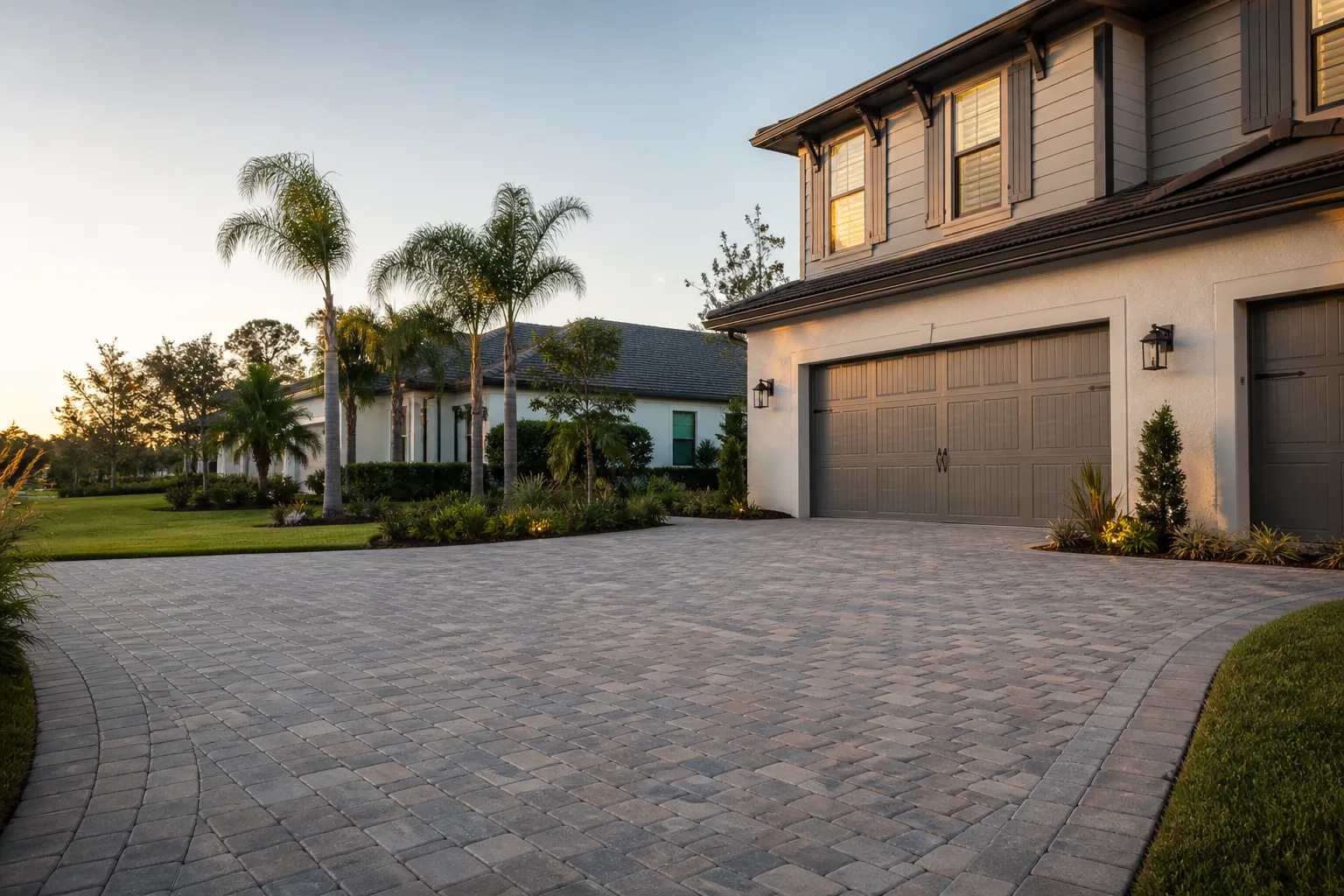
The most reliable default in this climate. Manufactured concrete pavers hold their color and shape through high heat when made to ASTM standards, resist fading, and can be lifted and reset if a section settles. They don’t crack from thermal cycling the way poured slabs do. This is where most of our paver work starts. Designer brands like Belgard, Unilock, Techo-Bloc, and Cambridge Pavers offer plenty of colors and textures for the look you want without compromising performance.
Natural Travertine
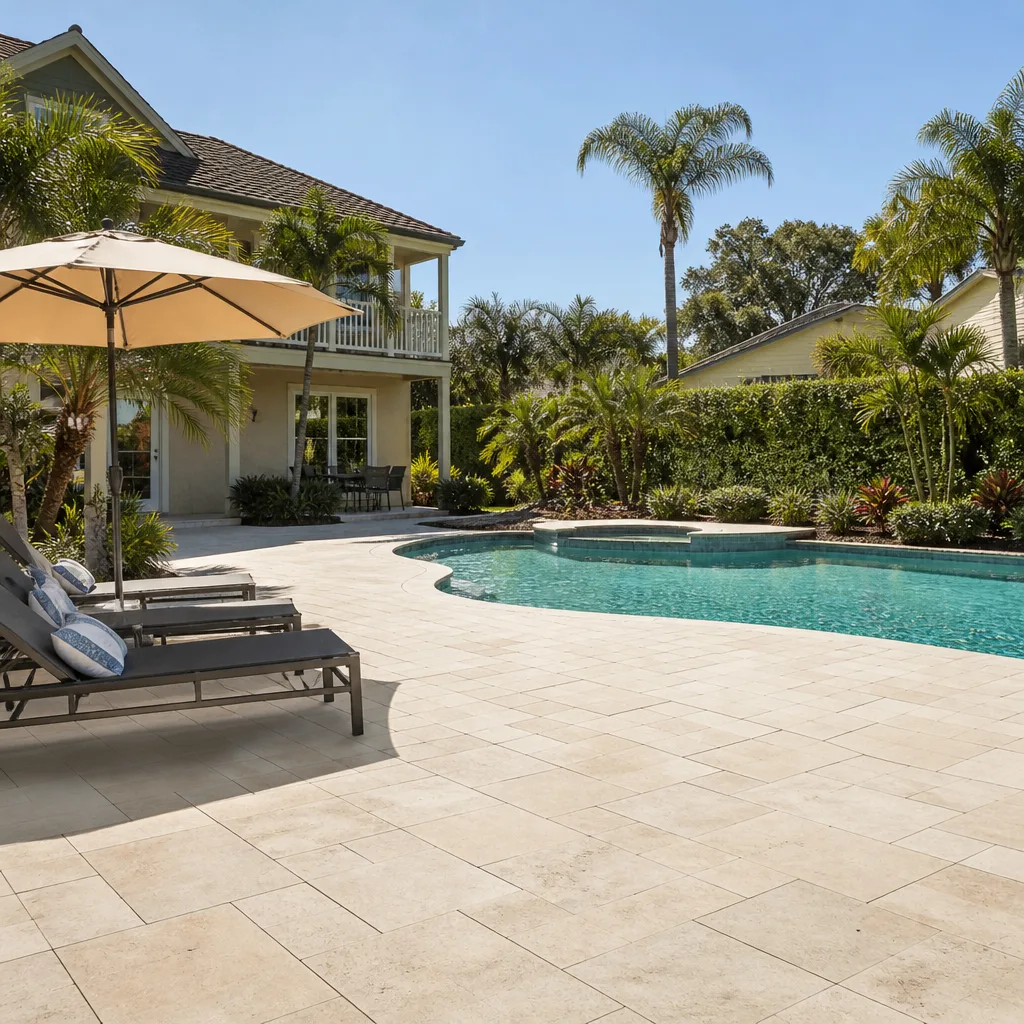
Travertine handles heat very well and stays cooler underfoot than many manufactured options. It also brings a premium look. The catch: it’s softer and more porous, so on a Boulder City driveway it needs sealing for stain resistance and to keep moisture out during freeze-thaw mornings in winter. It works well on patios and walkways; on a heavy-traffic driveway, choose a density-appropriate variety and seal it on a schedule.
Permeable Asphalt
Permeable asphalt can help where impervious-coverage limits apply, since it allows water to pass through. But in extreme surface heat it softens more readily than concrete pavers, and it needs more maintenance over time. It’s a good tool, not a universal answer, and the choice depends on your site’s drainage and sun exposure.
Composite and Alternative Products
Some composite products that perform well elsewhere don’t hold up in Mojave surface temperatures. Adhesives may soften and the material itself can deform. If a product comes up in your search, ask for documented performance at high surface temperatures before you commit. We typically steer homeowners toward heat-tested options for that reason.
You choose the surface; we handle everything else, from base prep through final compaction.
Boulder City Code, HOA Overlays, and Impervious Surface Coverage
Boulder City is a community where zoning and HOA rules genuinely shape layouts. If you’re on a lot governed by an HOA overlay zone, adding hardscape can trigger design review, materials restrictions, and coverage limits. Many HOAs also cap the proportion of a lot that can be covered by impervious surface (anything water can’t drain through) to limit runoff. That means the paver you pick actually affects legal compliance: permeable pavers or a layout that directs drainage to permeable areas can keep a project within limits that solid concrete would blow past.
Before you draw up a plan:
- Request the HOA’s design guidelines, including approved material lists and coverage caps.
- Check whether your driveway falls under any local permit thresholds; ask the city’s building department directly if you’re unsure.
- Confirm drainage requirements so your finished surface doesn’t push water onto a neighbor’s property.
- Get any HOA approvals in writing before scheduling the work.
We’ve been through the review process in Boulder City enough to know how the details usually go: materials get submitted early, coverage is planned before the layout is final, and approvals land before excavation starts. Ask your contractor to confirm your coverage figure against your HOA’s cap as part of the estimate; it’s the step most people forget until it stalls them.
Polymeric Sand vs. Standard Jointing Sand in Extreme UV
Jointing sand holds pavers together and seals the gaps between them. In most climates, standard sand is adequate. In Boulder City, it’s the shortcut that comes back to bite you. Sun exposure here is intense, and standard sand washes out during monsoon rain, which opens joints and lets weeds establish. UV degrades the sand itself over time.
Polymeric sand is the upgrade that matters here. It includes a binder that hardens into a flexible joint, resists UV breakdown, and holds firm through rain. It also cuts weed growth dramatically. In extreme heat and sun, its performance advantage is one of the clearest material upgrades you can make.
A few practical points:
- Confirm the polymeric sand is rated for high surface temperatures. Cheaper products soften.
- Ensure joints are dry and clean before the sand goes in; moisture during install weakens the bind.
- Give it the manufacturer’s curing time before driving on it.
- Reapply on a schedule the sealer or installer recommends for conditions like ours.
If a contractor quotes standard sand as the default in Boulder City, ask why. The upgrade is worth the conversation.
What a Proper Base Specification Looks Like Here
Pavers are the visible layer; the base is what actually holds everything together. A properly engineered base in our region is deeper than standard, uses free-draining aggregate, and is anchored against the specific soil conditions we have.
What to look for in a spec:
- Excavated depth set after testing, not a fixed number, because caliche depth varies from lot to lot.
- Compacted aggregate base installed in thin lifts and compacted with a plate or roller, tested for density.
- Aggregate type chosen for free drainage, so water passes through rather than holding against the caliche.
- Edge restraint anchored into stable material, because sandy soil won’t hold it; the border needs to bite into the base or a concrete curb.
- Proper slope for positive drainage, with a defined exit point for water.
- Bedding layer of the correct depth and gradation, so pavers seat evenly and don’t rock.
A Boulder City driveway that skips these steps shows it within a season or two. If you’re also planning an home additions & ADU, coordinating the driveway, drainage, and utility runs before construction starts saves you from tearing up finished hardscape later. That’s the advantage of full-scope planning: one schedule covers the whole site.
What Pavers Cost and What Drives the Number
Pavers are priced per job by written estimate, and in Boulder City the biggest variables are base prep, material choice, and site access. Because caliche depth changes the excavation and base material quantities, two driveways of the same size can price very differently. Your written, line-item estimate should show the base depth, drainage handling, paver material, jointing sand, edge restraint, and labor. That’s what sets the final price.
Key drivers to watch:
- Excavation and caliche removal: deeper hardpan means more work and more base material.
- Paver material: designer lines vary widely.
- Jointing sand: polymeric sand costs more than standard but lasts longer here.
- Sealing: adds protection against UV and stain.
- Design complexity: curves, borders, and patterns add labor.
- Drainage work: swales or dry wells need extra planning.
Talk through the options with the driveway & pavers team and you’ll get a free estimate with the specifics spelled out. We work from the written quote with fixed pricing and no change orders, so the number you sign is the number you pay.
Keeping a Paver Driveway Healthy Through the Seasons
Pavers are low-maintenance, not no-maintenance. In Boulder City the challenges are sun, dust, and monsoon rain. A sensible seasonal routine keeps the surface stable for years.
What we recommend:
- Rinse the surface periodically to clear dust and grit before it works into joints.
- Top up polymeric sand where joints settle or shift, especially after heavy rain.
- Re-seal on the manufacturer’s schedule to defend against UV.
- Check edge borders after monsoon season; repair any lifted or loose restraints promptly.
- Watch for drainage pooling and clear any blocked exit paths before the next storm.
Most maintenance is quick. The main thing is noticing joints early, before water gets underneath the base.
Common Mistakes to Avoid
- Skipping a subgrade check. Assuming caliche is uniform leads to base work that fails within a year.
- Choosing standard joint sand to save a little. In Boulder City’s sun it washes out and starts the decline early.
- Ignoring HOA overlay limits. Coverage caps and material restrictions stall projects if not checked upfront.
- Skipping edge restraint in sandy soil. The border drifts open and pavers spread under heat expansion.
- Treating drainage as an afterthought. Monsoon water has to get off the pavement and away from the house.
- Picking material on looks alone. Some products perform poorly at 160°F surface temperatures.
- Using standard sand on a composite product that can soften. Confirm heat rating before committing.
See the difference
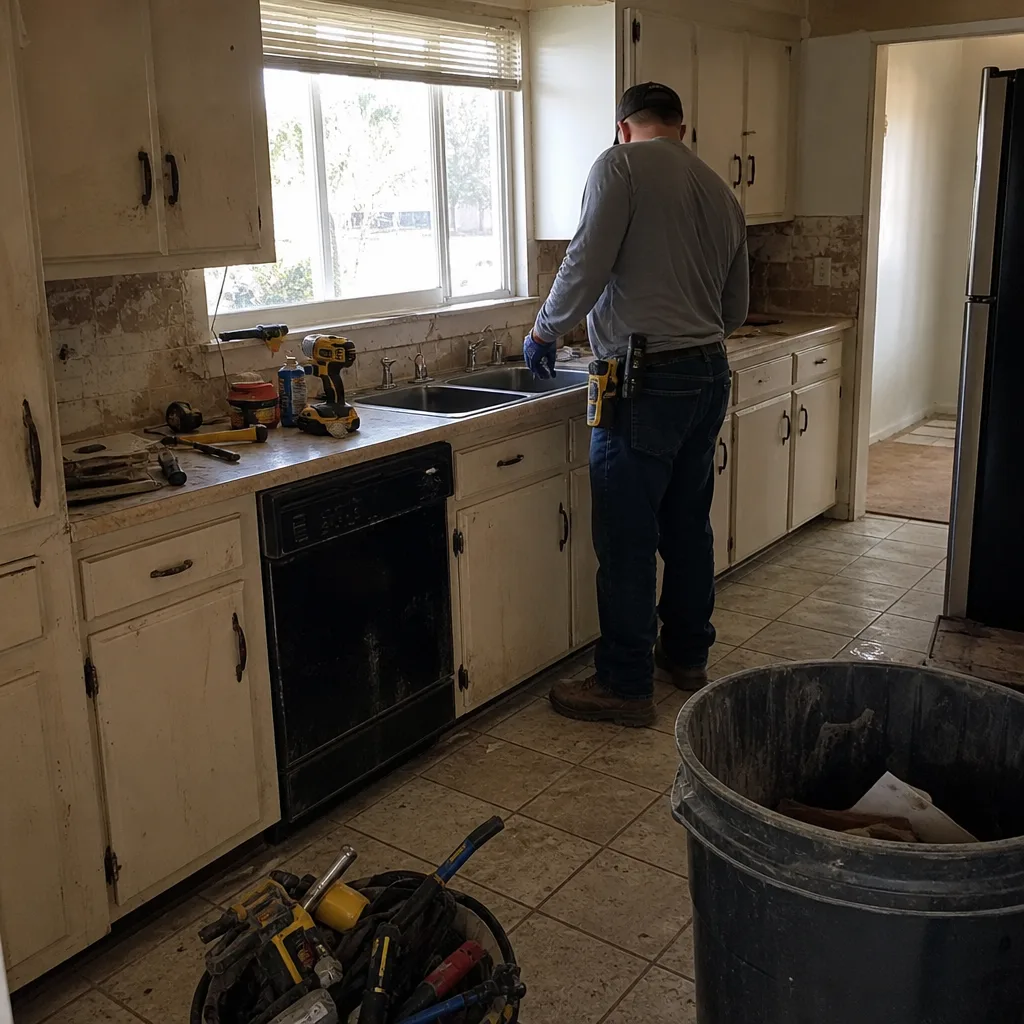 Before
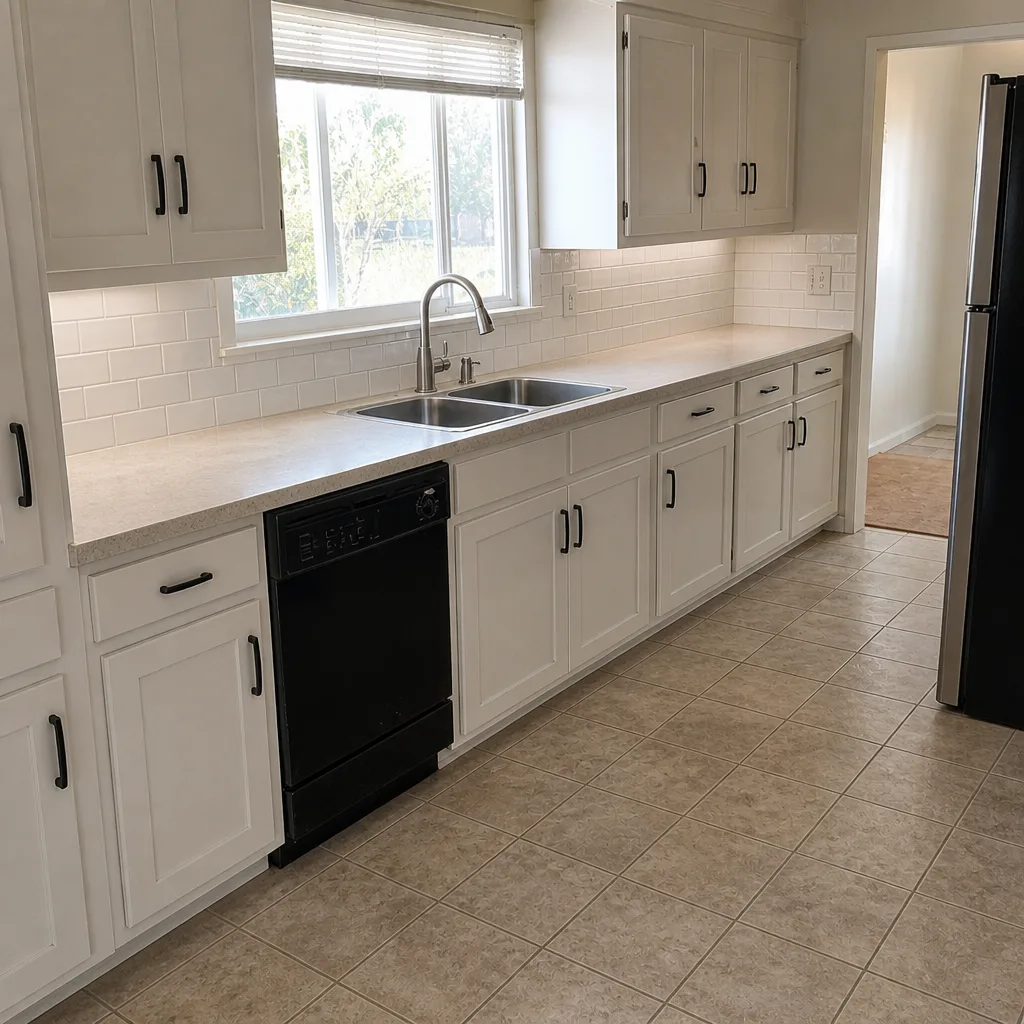 After
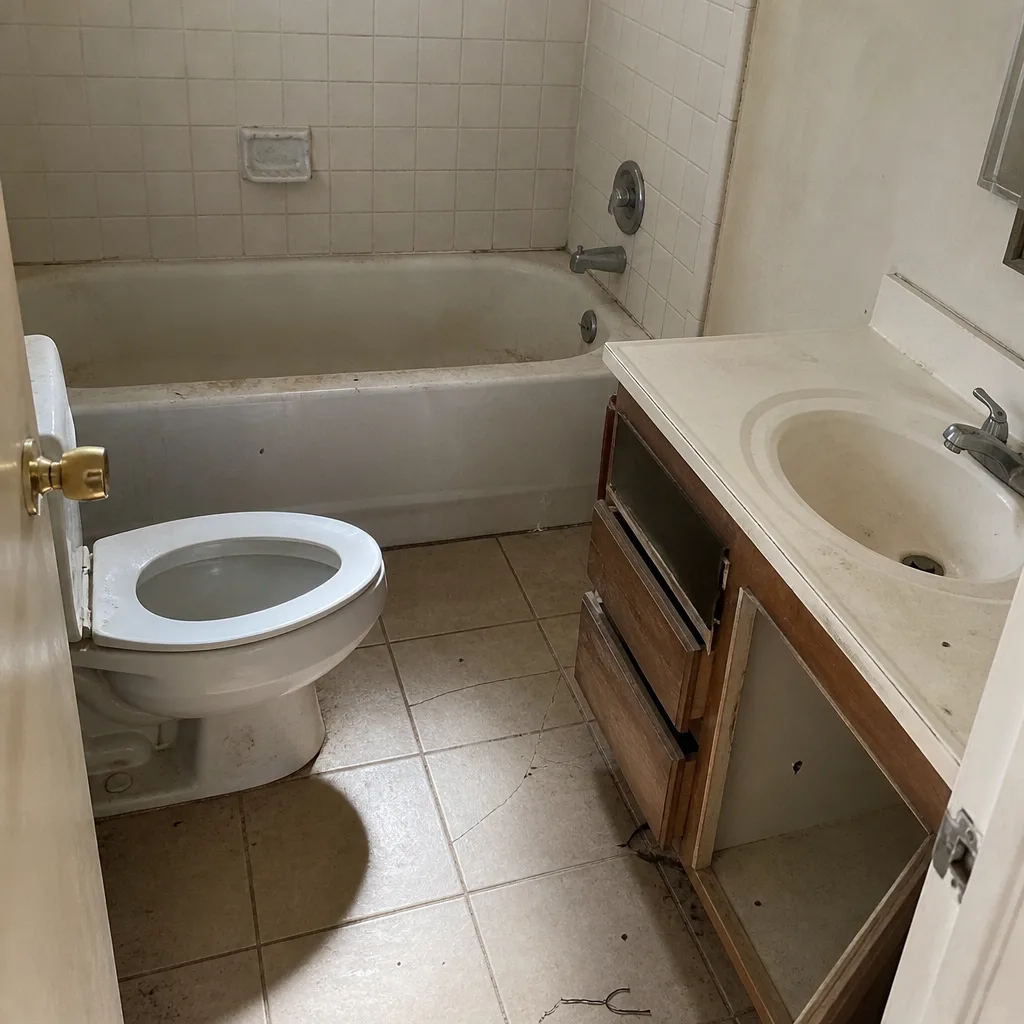 Before
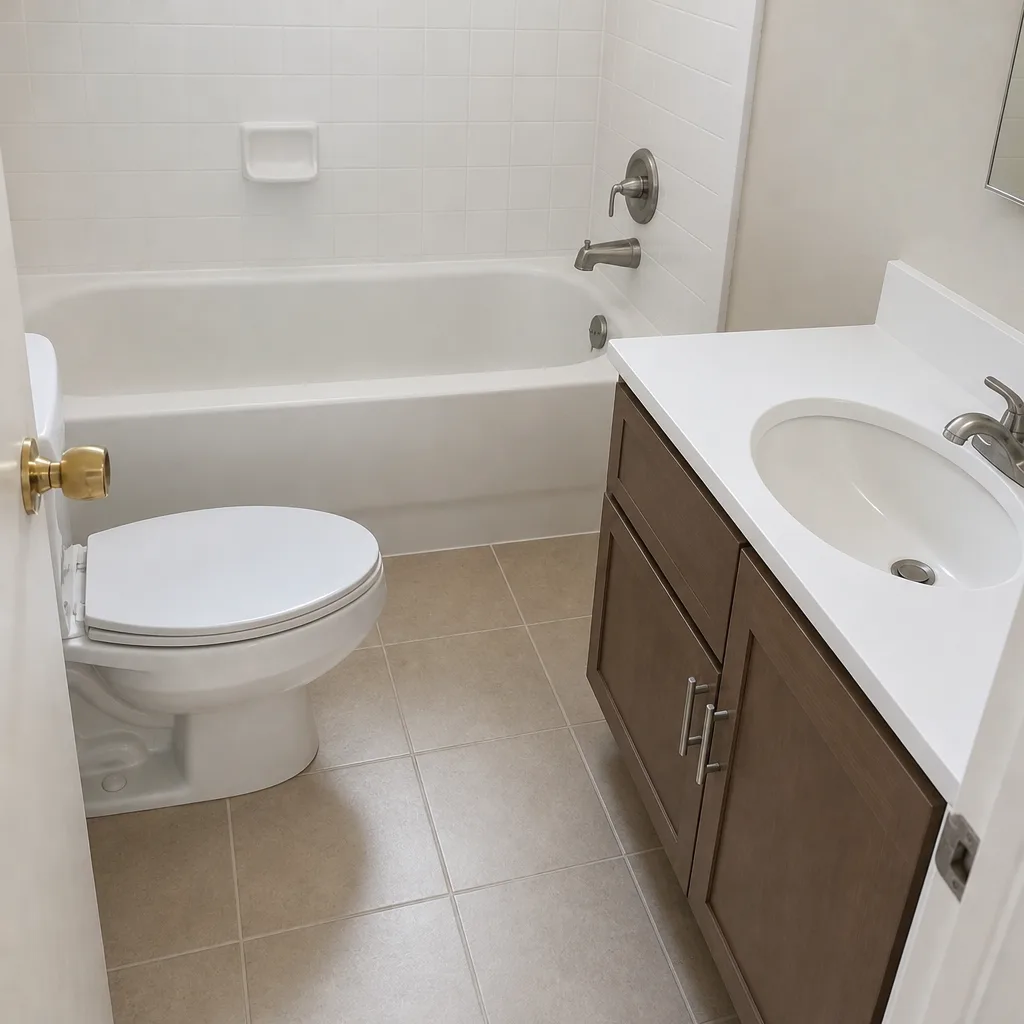 After
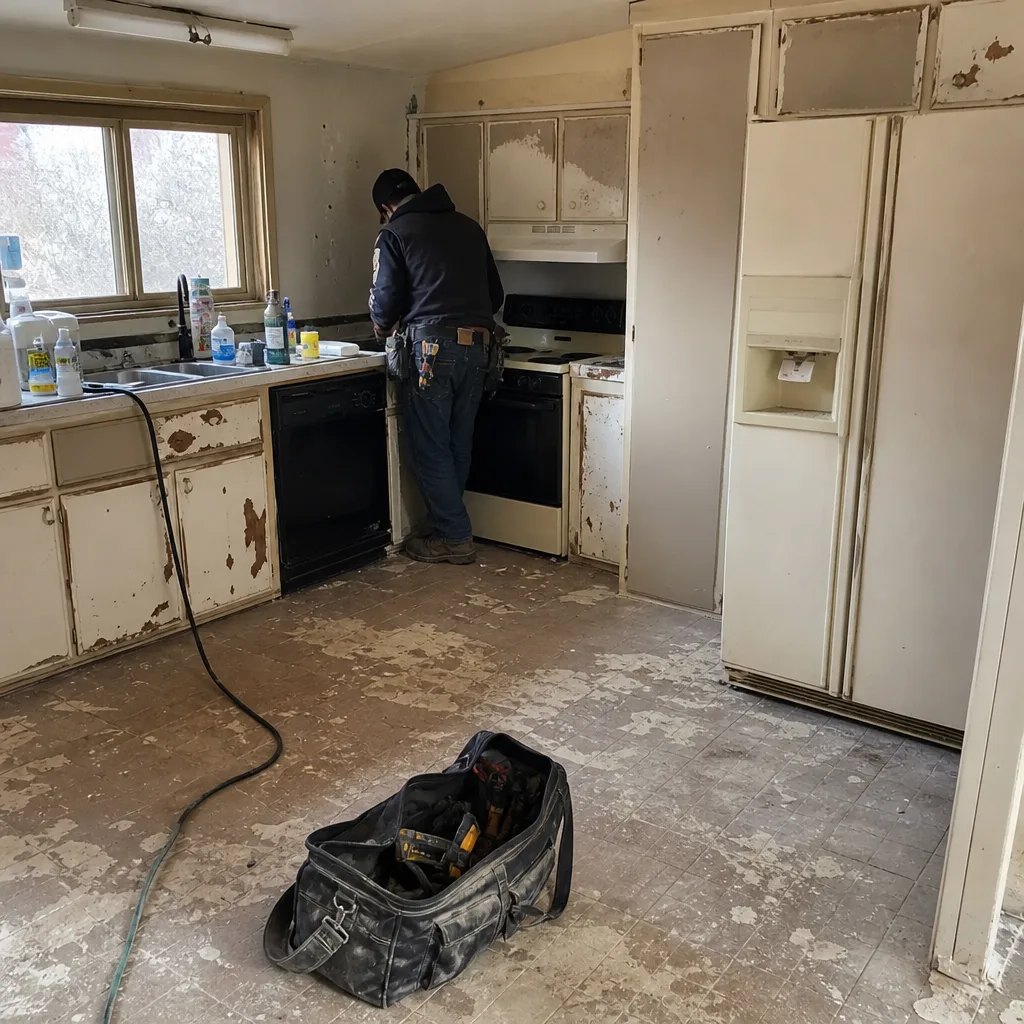 Before
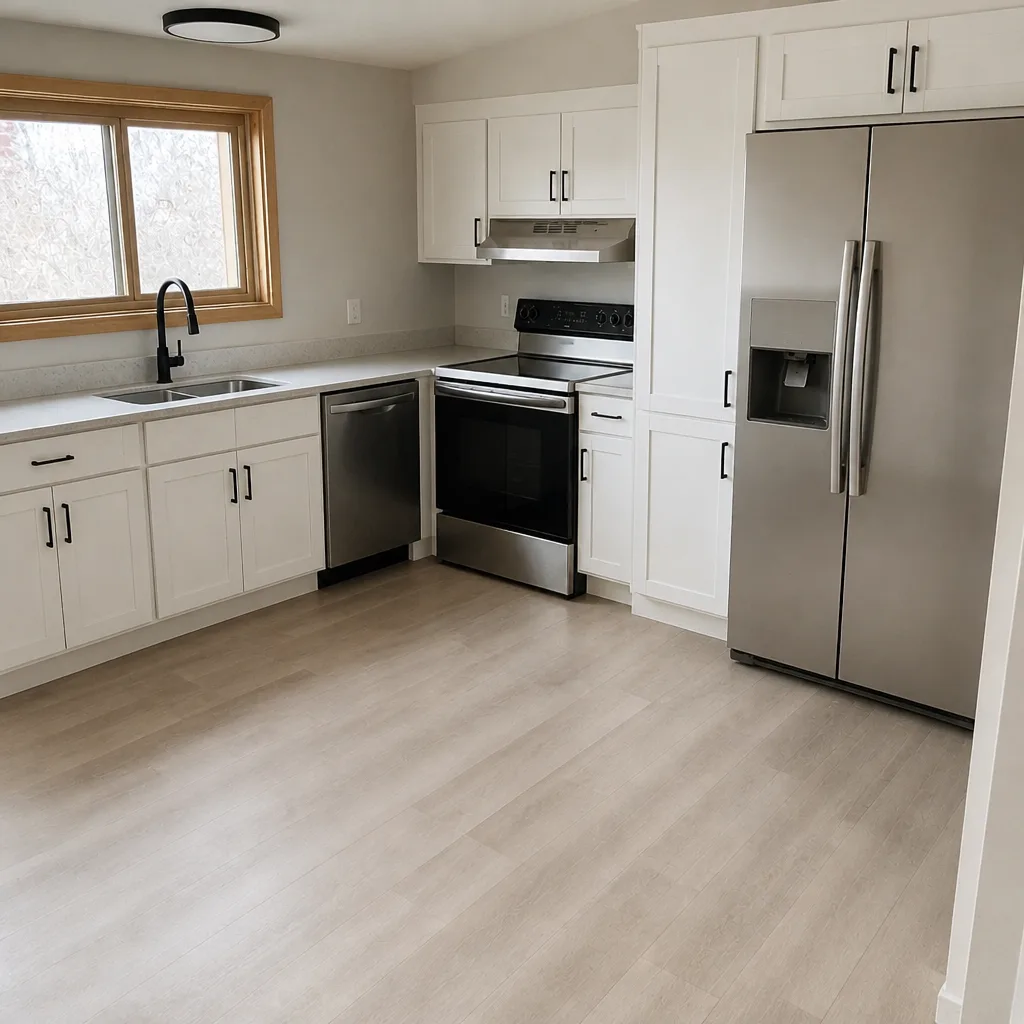 After
When to Call a Professional
Some jobs, like a loose paver replacement, are quick enough to handle yourself. But a full driveway install or anything involving caliche, drainage, or HOA compliance belongs in experienced hands. If your pavers are shifting, water is pooling against the foundation, joints are washing out on a regular basis, or you’re planning a layout change in an HOA overlay zone, call us. These are the cases where a small oversight becomes a big repair.
If you’re also considering other exterior work, like fencing or roofing, coordinating everything under one contract means one schedule and one warranty conversation, with no finger-pointing between subs. We work with brand rosters across exterior and interior trades, so you get real material choices rather than whatever a single supplier happens to send.
Boulder City Construction offers free estimates in Boulder City. Call (888) 329-9854. We answer 24/7. Fast dispatch from 7am to 7pm, Sunday through Friday.
Frequently Asked Questions
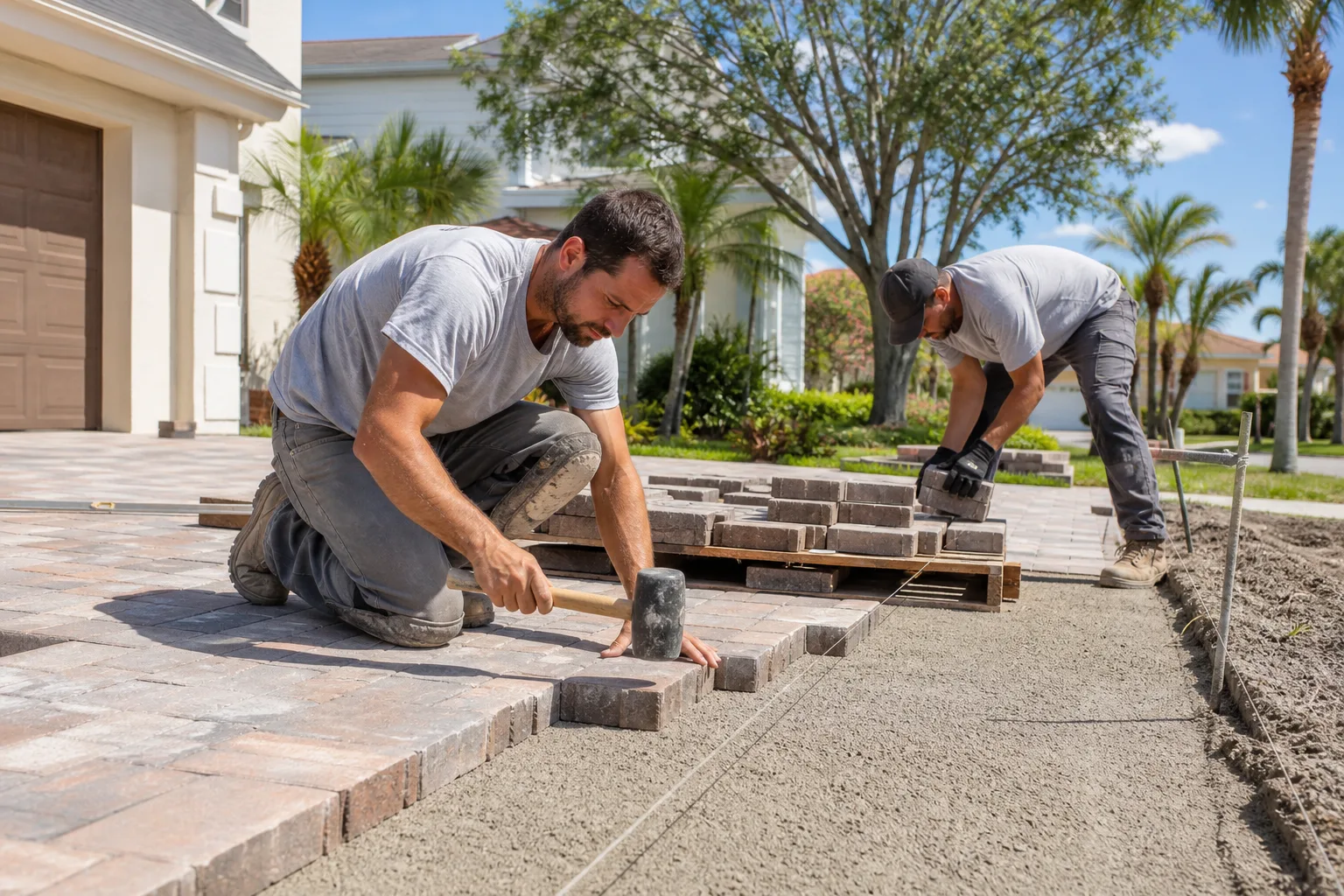
Paver driveways are priced per job by a written estimate, and the biggest variables are caliche depth, base material, paver choice, and drainage work. Instead of a single price, ask for a line-item quote that shows the base depth, jointing sand, edge restraint, and labor. Call (888) 329-9854 for a free estimate with those specifics spelled out. Estimates are free.
Concrete pavers are the more reliable default in Mojave heat because they hold shape and color with minimal upkeep. Travertine stays cooler underfoot and looks premium, but it needs sealing on a schedule for stain and moisture resistance. Both work on a Boulder City driveway; the choice depends on your budget and how much routine maintenance you want.
Yes. Caliche hardpan doesn’t drain and sits at different depths on different lots, so a standard base spec can fail. The fix is a subgrade check, over-excavation past the hardpan, and a free-draining aggregate base compacted in thin lifts. Ask your contractor how they confirm caliche depth before quoting.
Often, yes. HOA overlay zones can set approved materials and cap impervious surface coverage. Check with your HOA before finalizing a layout, and keep any approval in writing. Permeable pavers or careful drainage design can help you stay within coverage limits where solid concrete would exceed them.
In Boulder City’s sun, standard jointing sand breaks down and washes out in monsoon rain, which opens joints and lets weeds in. Polymeric sand is UV-resistant and holds its bind through heavy rain. It’s one of the clearest performance upgrades available for a paver driveway in this climate.
Timeline depends on the excavation needed for caliche, base prep, and drainage work. A larger or more complex layout takes longer, and HOA approval must clear before work starts. Your written estimate should lay out a schedule after the subgrade check, so the timeline is based on your actual site rather than a generic figure.
The Bottom Line
Choosing driveway pavers in Boulder City is partly about looks and mostly about engineering. The heat, caliche hardpan, and HOA overlay rules narrow your options faster than price alone ever will. Pick a heat-stable material, demand a properly compacted base with a defined drainage path, use UV-rated polymeric sand, and clear your HOA coverage limits up front. Get it right and the driveway lasts for years. Get it wrong and the repair costs more than the original job. We’ve walked this through with Boulder City homeowners often enough to know what works. When you’re ready to price it, call (888) 329-9854. We answer 24/7. Fast dispatch from 7am to 7pm, Sunday through Friday. Estimates are free, and the written quote sets the price.
Written by the team at Boulder City Construction.