Last updated November 18, 2026
Free written scope consultation - allowances, timeline, and change-order rules on paper before a single trade is scheduled
Choosing the Right Construction Brand: A Buyer’s Guide for Boulder City
A composite decking brand that a national consumer publication rated “best overall” may carry a warranty clause that voids coverage for installations in sustained ambient temperatures above 100°F. That covers most of Boulder City’s outdoor season. This is the gap between how brand rankings are made and how materials actually perform here. National “best of” lists are written for a national average, and Boulder City is not the national average. What follows is a guide to reading manufacturer technical data, knowing which product categories genuinely reward premium brands and which don’t, and using a contractor’s named brand roster as a vetting tool before you sign anything.
Quick Answer
The right construction brand for a Boulder City project is the one whose published technical data sheet covers the desert stressors your project will actually face – sustained heat above 100°F, intense UV exposure, and wide day-night temperature swings – and whose warranty doesn’t exclude those conditions. Prestige rankings are a poor guide. Published performance data, distributor availability, and warranty language are the three things that matter most, and most general buying guides don’t reference any of them.
Styles & brands we work with
- Kitchen remodeling
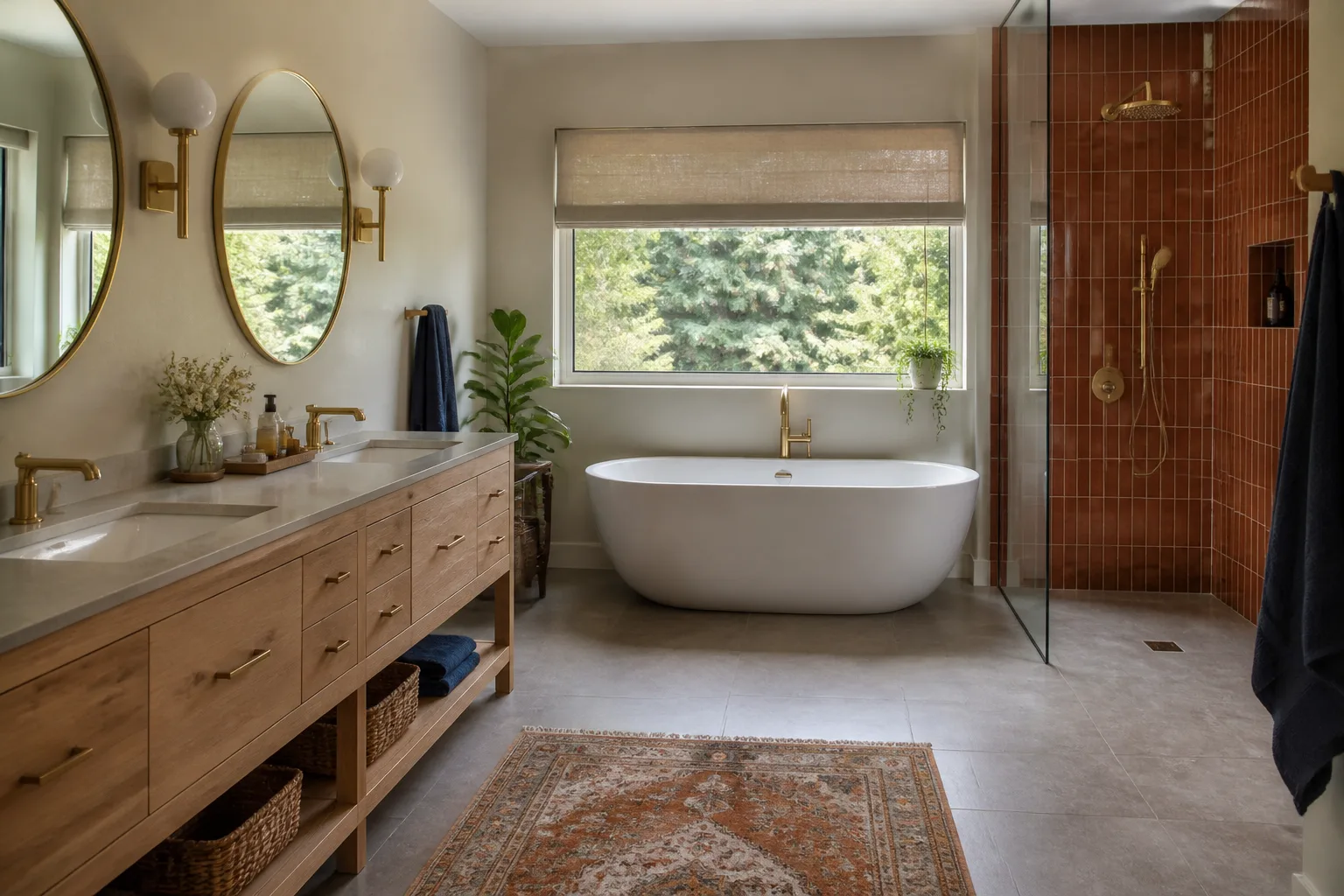
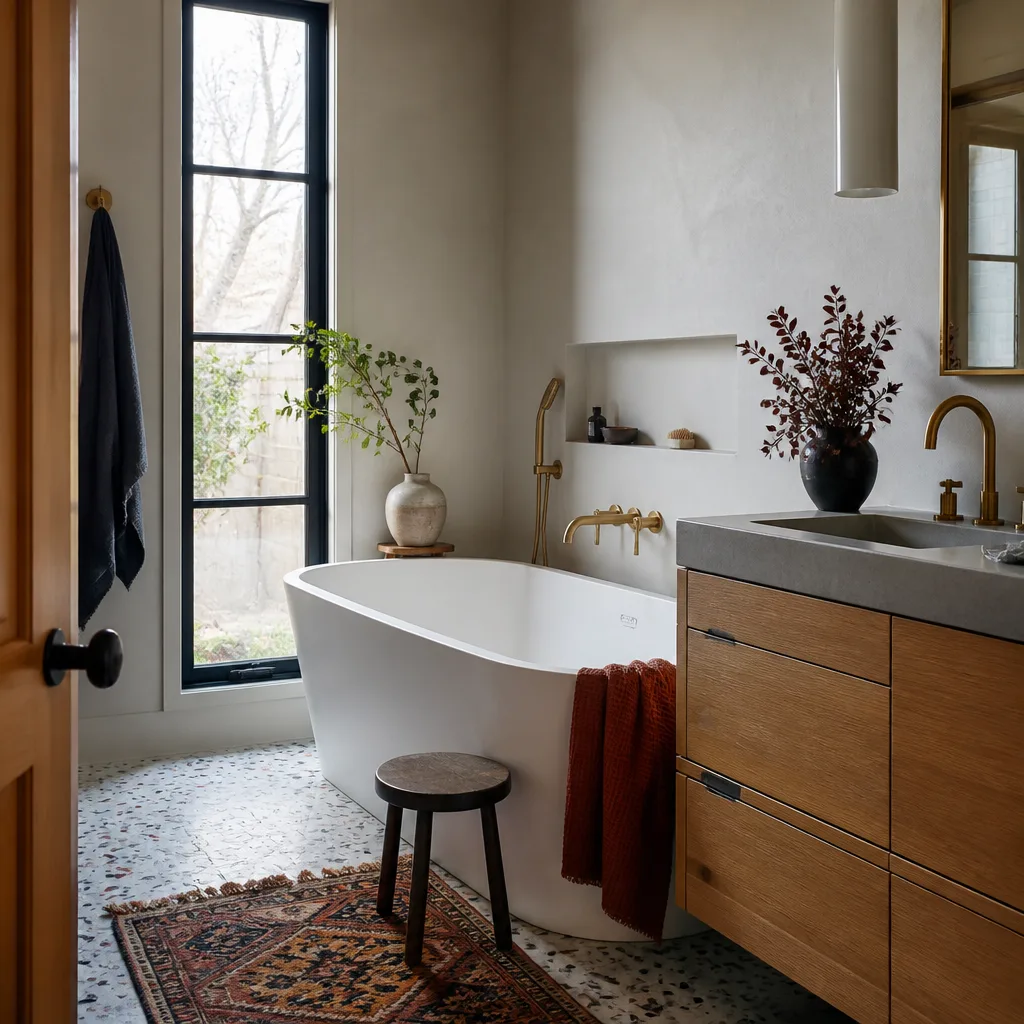
- Bathroom remodeling
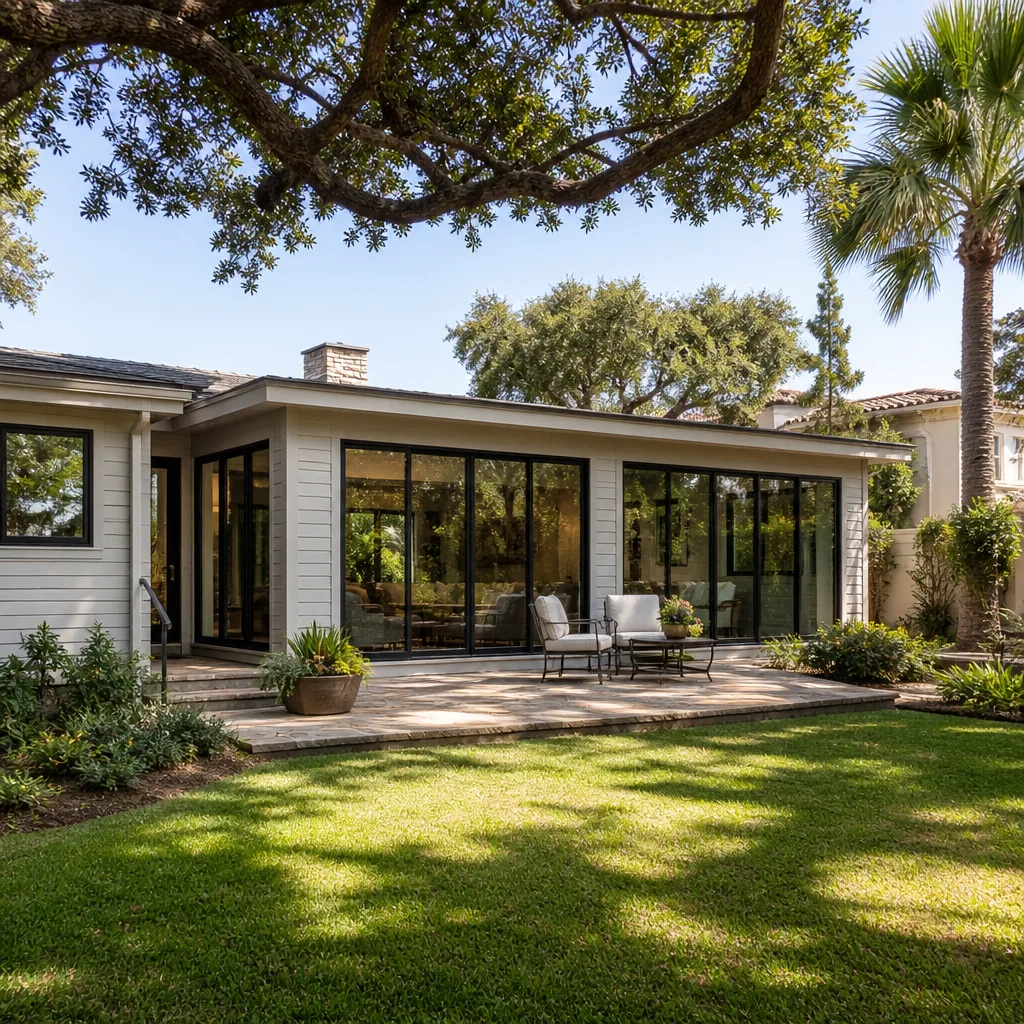
- Home additions & ADU
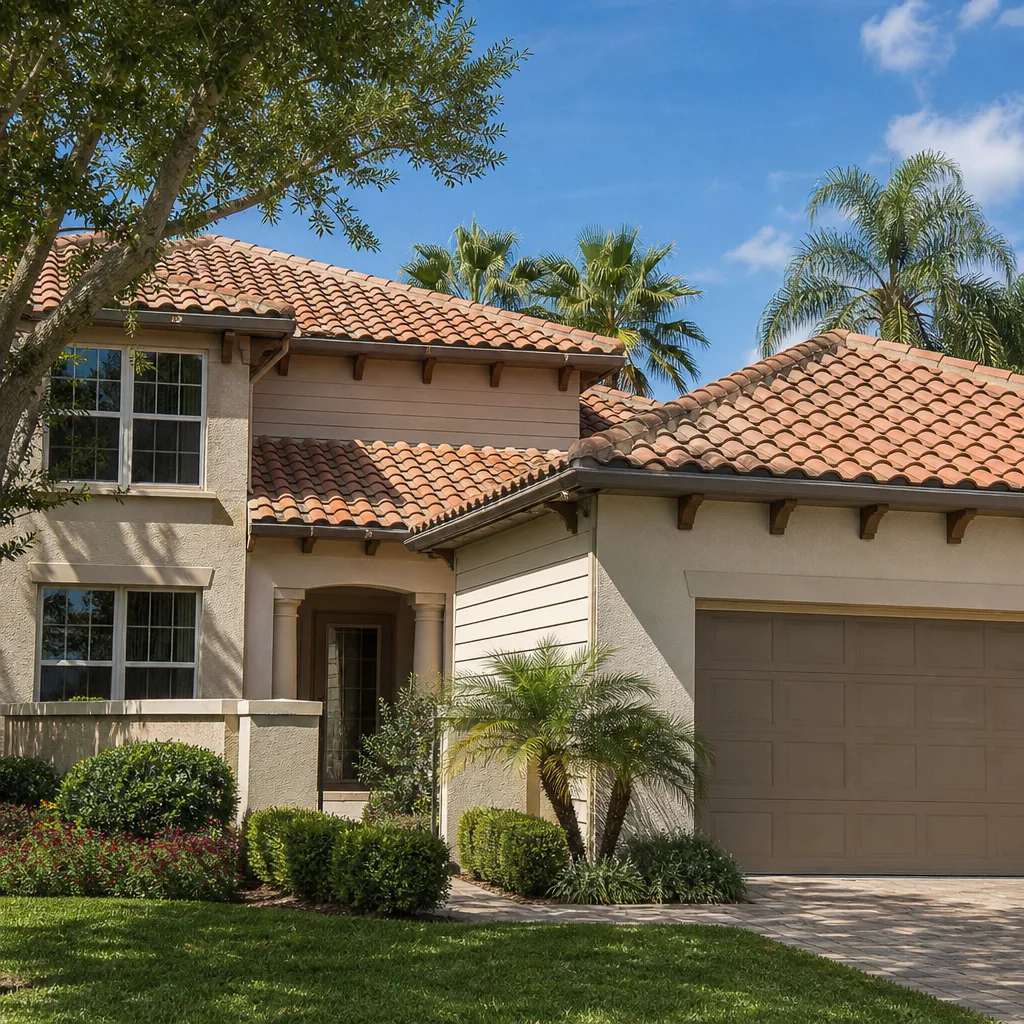
- Roofing
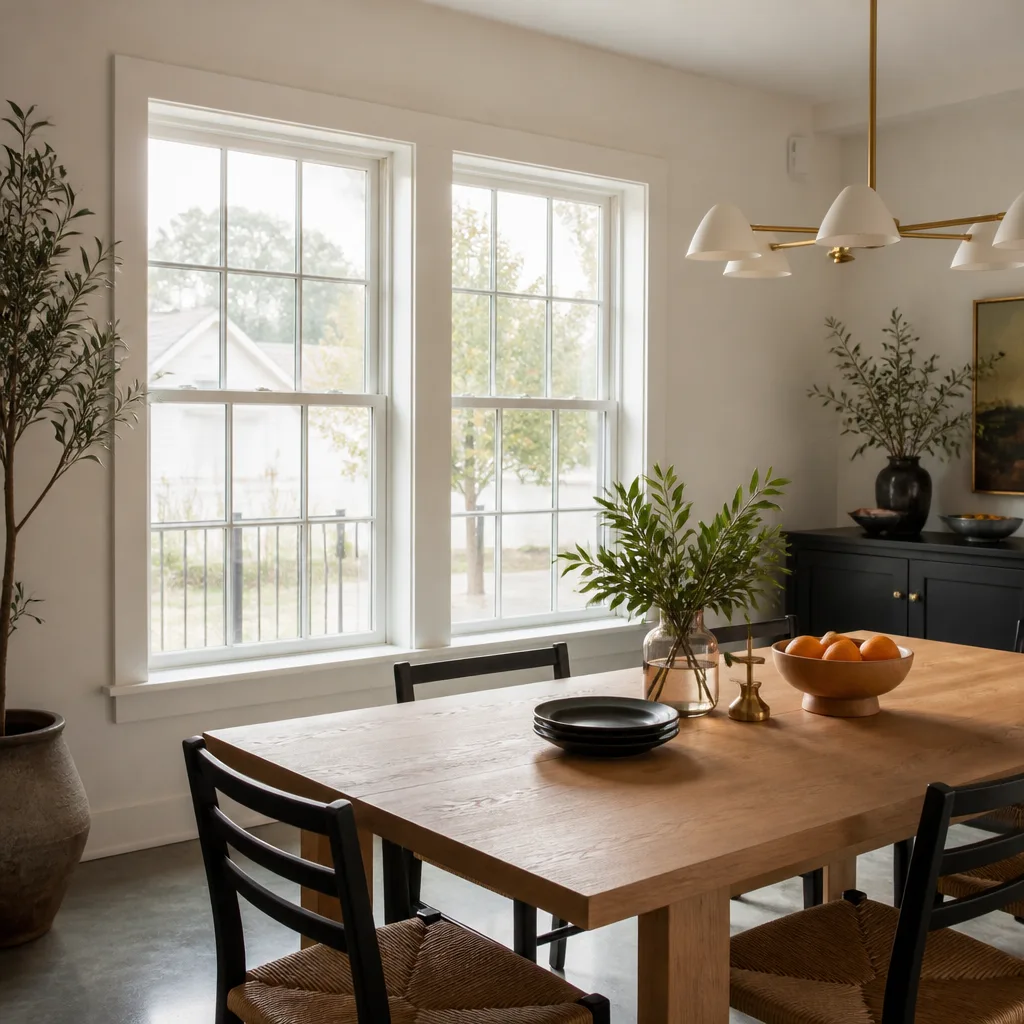
- Windows & doors
- Driveway & pavers
- Fence
Table of Contents
- How to Read Manufacturer Technical Data for Desert Conditions
- Where Brand Differentiation Actually Matters in Boulder City
- Why Distributor Relationships Affect Your Timeline
- Reading Warranty Terms Before You Buy
- Using a Contractor’s Brand Roster as a Vetting Tool
- Category-by-Category: Roofing, Windows, Cabinets, Pavers
- A Step-by-Step Brand Selection Process
- Common Mistakes to Avoid
How to Read Manufacturer Technical Data for Desert Conditions
Every reputable manufacturer publishes technical data sheets, and almost no homeowner reads them. That’s a mistake in Boulder City specifically, because the specs that matter here are buried in fine print, not on the product marketing page. Three data points do most of the work.
UV stability rating. The desert sun fades and chalks materials faster than almost any other climate in the country. Look for a published UV resistance rating or an accelerated weathering test result – typically expressed in hours under a specified light source. A brand that doesn’t publish this is telling you something.
Thermal expansion coefficient. Materials expand in heat and contract as the desert cools at night. Over a season, that cycle works on every joint, seal, and fastener. A high coefficient means wider expansion gaps, more movement, and more fastener fatigue. For decking, siding, and window frames especially, this number predicts how the product will look in three summers.
Temperature range limitations. This is where warranties quietly break. A material rated to 95°F ambient is not rated for Boulder City’s July. Ask for the published upper temperature limit and compare it to what the product will experience in service.
- Request the technical data sheet, not the brochure
- Find UV resistance, thermal expansion, and upper temperature limit on every spec sheet
- Compare those numbers to a realistic summer high for your install location
- Check the warranty for exclusions that reference temperature or climate
- Ask which brands the contractor installs routinely, not just once
Where Brand Differentiation Actually Matters in Boulder City
Not every product category rewards a premium brand. This is one of the least-discussed truths in construction material selection: in some categories, the mid-tier product performs identically to the top tier, and paying more buys nothing but a logo. Knowing which categories these are saves real money.
Where differentiation is meaningful for Boulder City conditions:
- Windows and doors. Frame material, glazing, and thermal break design vary widely by brand. In a desert climate with strong daily swings, the difference in frame construction shows up in long-term operability.
- Roofing. Reflectivity coatings, underlayment quality, and warranty structure are genuinely different between manufacturers. Materials from GAF, CertainTeed, Owens Corning, IKO, and Atlas are all on the market; how each one is specified for desert heat is what separates them.
- Exterior cladding. Fiber cement and engineered siding products differ in moisture management and finish durability. James Hardie, for example, publishes climate-specific installation guidance that matters here.
- Cabinetry and surfaces. Cabinet lines like KraftMaid and Wellborn differ in box construction, drawer glides, and finish systems. Stone surfaces like Cambria are not commodity materials; the fabrication and installation quality determine the outcome as much as the slab.
Where differentiation is thinner: interior paint, standard drywall, and basic fasteners. In these, mid-tier products generally perform on par with name-brand equivalents. Spend the budget where the brand actually changes the outcome.
Why Distributor Relationships Affect Your Timeline
A manufacturer’s brand name means nothing to your schedule if the product isn’t stocked anywhere near your job. Boulder City sits roughly 25 miles from the nearest major metro supplier hub, and that distance changes the math on availability, lead times, and shipping costs. A brand that’s on the shelf in Las Vegas is a different proposition than one that has to be ordered and trucked out.
This is why a contractor’s named brand roster is a practical signal, not a marketing flourish. A contractor who is an authorized dealer or installer for a specific manufacturer has a working relationship with that manufacturer’s distribution network. That relationship affects:
- Lead time. Stocked material arrives in days. Special-order material can stretch a project timeline.
- Availability during shortages. When a product is back-ordered nationally, dealer relationships determine who gets allocation first.
- Shipping cost. Delivering materials to Boulder City from a distant warehouse adds freight that shows up somewhere in the estimate.
- Substitution pressure. A contractor with no relationship to the brand you chose is more likely to suggest a substitute – usually what the local distributor has – mid-project.
Ask any contractor you’re considering which manufacturer brands they hold authorized dealer or installer status with, and how they source material to Boulder City addresses specifically. The answers are telling.
Reading Warranty Terms Before You Buy
A warranty is only as good as its exclusions. Manufacturers write climate exclusions and installation-method requirements into the fine print, and in a desert climate, those clauses do most of the work. A warranty that looks generous on page one can be nearly uncollectable if the installation method voids it.
What to check, in order:
- Explicit climate exclusions. Search the warranty text for the words “temperature,” “climate,” “desert,” and “ambient.” If any are named as exclusions, understand what that means for your install.
- Installation-method requirements. Most manufacturers specify fasteners, spacing, substrate prep, and in some cases installer certification. Deviate and coverage is void.
- Transferability. Some warranties transfer to a new homeowner; some don’t. This matters at resale.
- Labor vs. material coverage. Most manufacturer warranties cover material only. Labor warranty is a separate conversation with the contractor.
- Registration deadlines. Many warranties require registration within a set window. Ask who is responsible for filing it.
Bring the warranty to the estimate conversation. A contractor who understands the exclusions before installation is a contractor who won’t accidentally void your coverage by installing in a way the manufacturer didn’t intend.
Using a Contractor’s Brand Roster as a Vetting Tool
When a contractor names specific manufacturer brands, that’s not just a sales list. It’s a window into how they work. A contractor with strong brand relationships has had to qualify for dealer or installer status, has been trained on those products, and is accountable to the manufacturer for how installations go. That accountability is a form of quality control you don’t get from a contractor who buys whatever is cheapest that week.
What a serious brand roster signals:
- Product knowledge. Naming a brand implies having installed it enough times to know its quirks.
- Training. Authorized installer status often requires manufacturer coursework or field verification.
- Accountability. Manufacturer relationships create a paper trail. A warranty call traces back to the installer.
- Choice for the homeowner. A contractor with a real roster can offer material options, not just “what the supplier sent.”
The corollary matters too. A contractor who can’t name the brands they install, or who gives a different answer depending on which trade you ask about, is likely sourcing opportunistically. That isn’t automatically disqualifying, but it’s a signal to ask harder questions. When the roster spans trades – roofing brands on one line, cabinetry brands on another, hardscape brands on a third – you’re talking to someone with a working supply network. At Boulder City Construction, our roster spans more than 50 manufacturer brands across every trade we perform, which means the material conversation happens once, at estimate, not five times across five specialists.
Category-by-Category: Roofing, Windows, Cabinets, Pavers
Boulder City conditions interact differently with each product category. What follows is a category-specific look at where brand selection does and doesn’t move the needle.
Roofing
Heat is the dominant stressor on a Boulder City roof. Reflectivity, underlayment quality, and ventilation design matter more here than in cooler climates. Manufacturers like GAF, CertainTeed, and Owens Corning all publish reflectivity ratings and system-level warranties; the warranty only applies when the whole system – shingle, underlayment, ventilation – is installed to spec. Mixed-brand systems can void coverage.
Windows and Doors
Frame material and glazing separate brands here. In a climate with 40-degree day-night temperature swings in shoulder seasons, frame construction quality shows up in long-term operation. Look for published thermal performance data and a warranty that covers frame and seal separately.
Kitchen Cabinetry
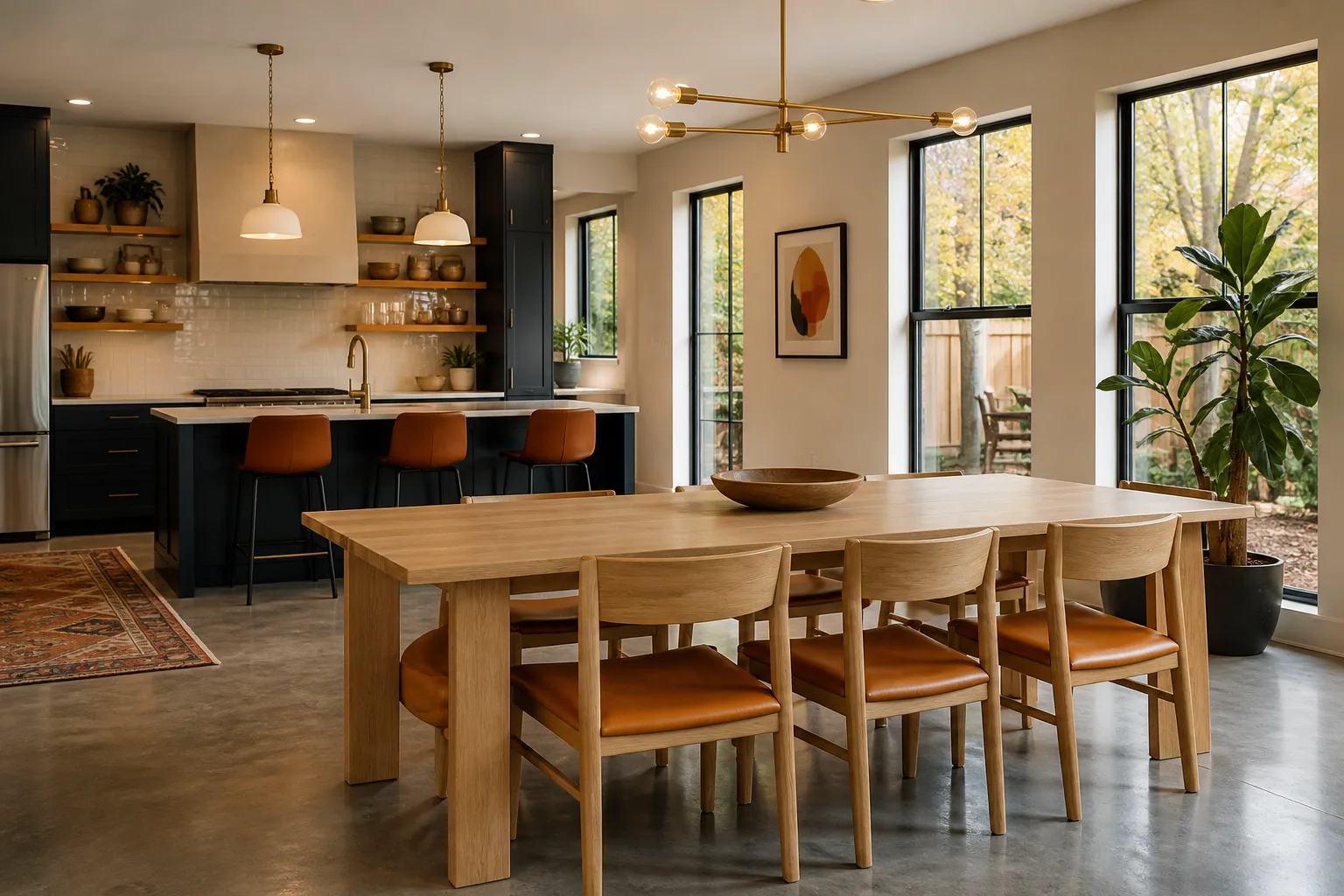
Cabinet lines like KraftMaid and Wellborn differ in box construction, drawer hardware, and finish. A mid-tier cabinet can perform well in a dry climate provided the finish and hardware hold up. Premium lines primarily buy you better hinges, glides, and finish warranties – not structural improvement for moisture (a lesser concern in Boulder City than in humid climates).
Countertops
Quartz surfaces like Cambria, Silestone, and Caesarstone are engineered materials with consistent performance. Brand choice here is primarily about aesthetics and edge-profile options; fabricator skill matters more than brand for long-term outcome. Ask who fabricates and installs, and where the slab comes from.
Driveways and Pavers
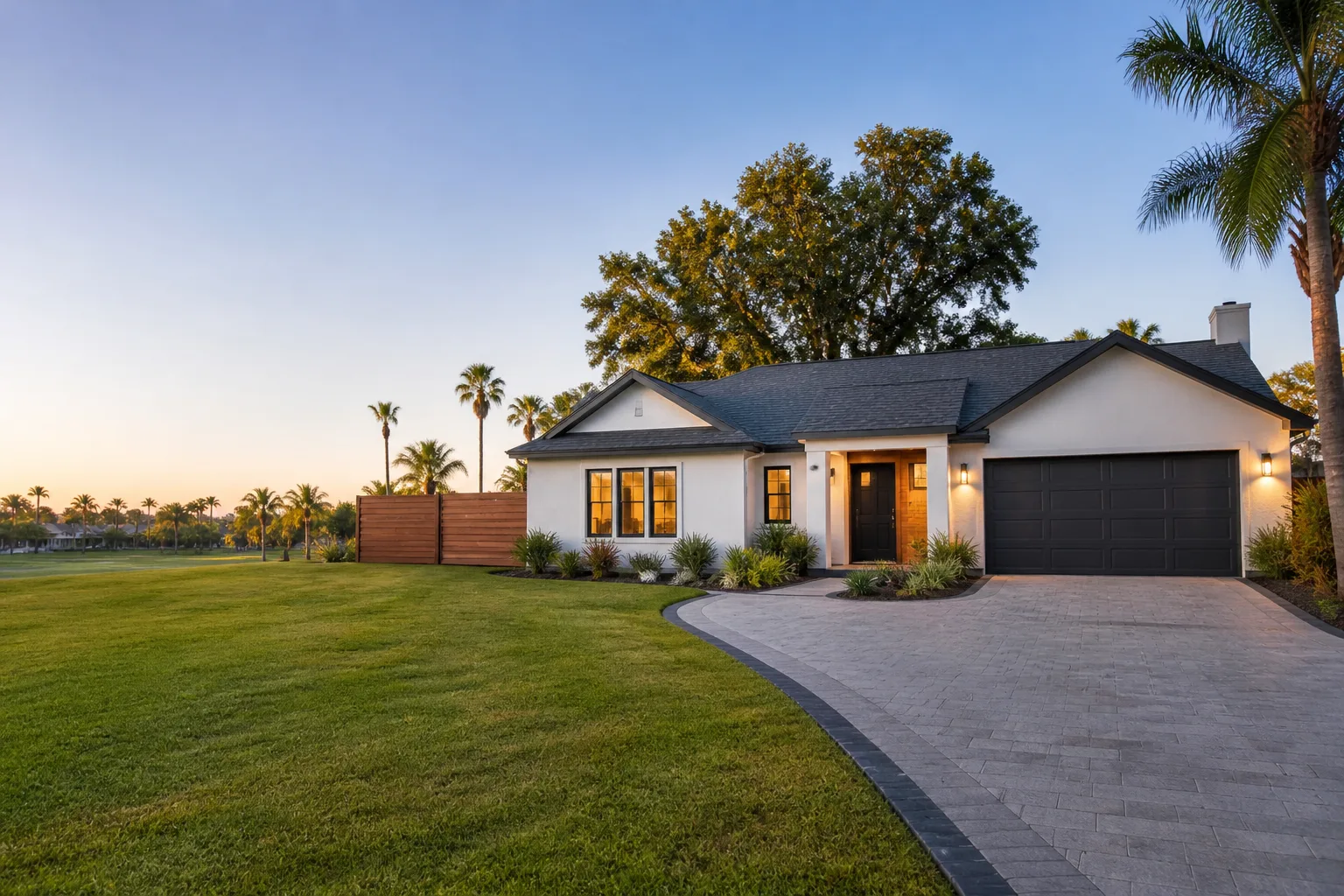
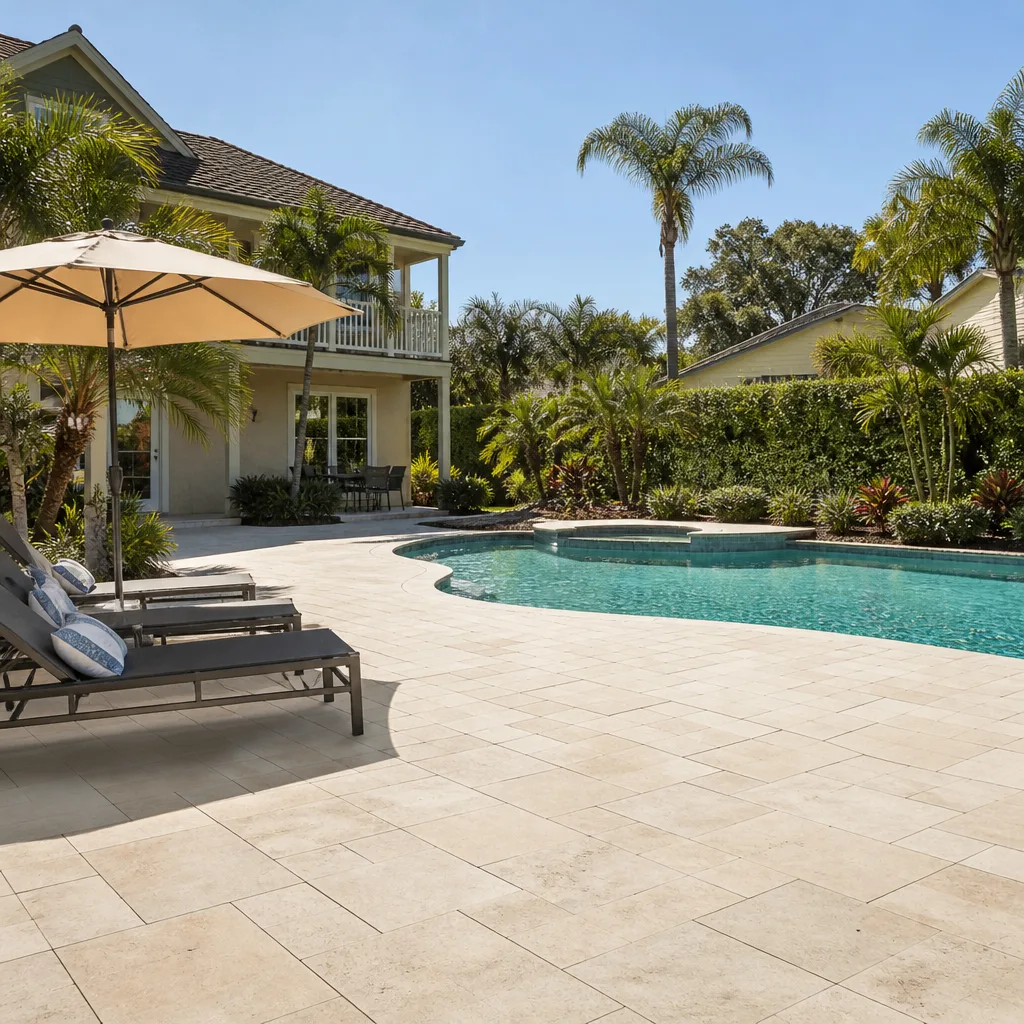
Hardscape is a category where brand differentiation is real. Designer paver brands like Belgard, Unilock, Techo-Bloc, and Cambridge Pavers use different base materials, different joint systems, and publish different freeze-thaw and heat ratings. For a Boulder City driveway, the base prep under the pavers matters as much as the paver brand; see our driveway & pavers work for how that scope is handled.
Fencing
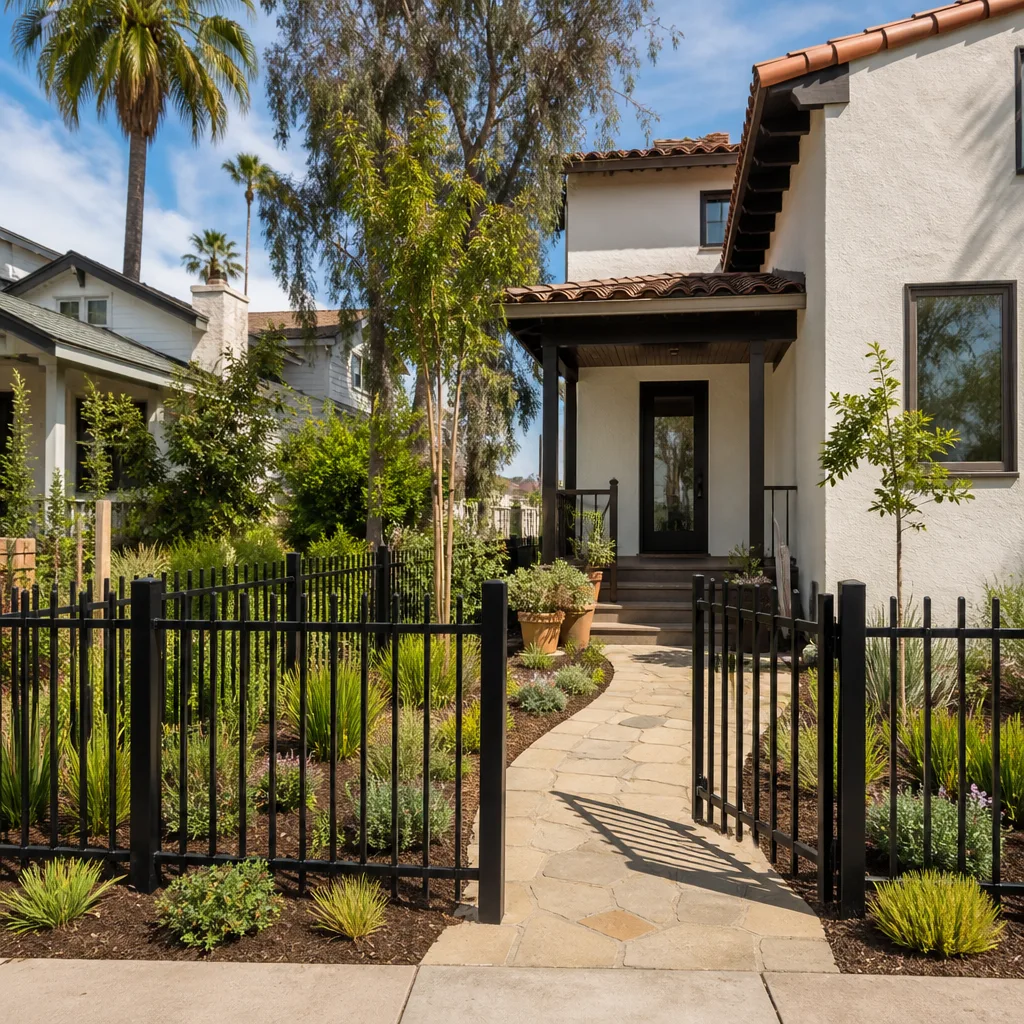
Fence material choice in Boulder City runs toward block, steel, wrought iron, and low-maintenance composites, all of which handle the dry heat and intense sun well. Brand differentiation is less pronounced in fencing than in roofing or pavers; installation quality is the dominant concern. Our fence installation work covers the material trade-offs in more detail.
Home Additions and ADUs
An addition or ADU involves every category above at once – roofing, windows, cabinetry, hardscape – which is exactly where single-source brand access saves time. Prefab options bring their own manufacturer ecosystems; site-built paths draw on traditional materials. We handle both through our home additions & ADU work, and the brand conversation happens once, up front.
A Step-by-Step Brand Selection Process
Here’s the sequence we’d walk any Boulder City homeowner through, from first conversation to signed contract.
- Define the project scope first. List every trade involved – roof, windows, cabinets, pavers, fence – before choosing any brand. Brand selection without scope is guessing.
- Identify the stressors for each scope item. Roof = heat and UV. Windows = thermal swing. Pavers = base prep plus material. Cabinets = finish and hardware.
- Request technical data sheets for each brand under consideration. Not brochures. Data sheets. The specs are there.
- Check availability. Ask the contractor how the material reaches Boulder City and what the lead time looks like.
- Read the warranty fine print. Look for climate exclusions and installation-method requirements.
- Confirm installer training and status. Ask whether the installer is authorized for the brand.
- Get the written, line-item estimate. Brand name, product line, quantity, and installation method should all be visible. If a brand is listed without a product line, ask which one.
- Compare at least two brand options for the largest-cost items. Not every category requires this; the ones where it matters, it matters a lot.
Our technicians have up to 13 years of experience, and that’s mostly been earned by asking these questions before installation rather than after. If the brand question hasn’t been raised by your third estimate, raise it.
Common Mistakes to Avoid
- Buying the ranked “best overall” without checking climate coverage. A national ranking reflects national averages. Boulder City isn’t the national average. Verify that the product’s performance envelope covers desert heat before committing.
- Accepting a brand name without a product line. “We install Brand X” tells you nothing if the brand has five product tiers. Ask which line is in the estimate.
- Assuming the warranty covers everything the brochure promises. Read the exclusions. Climate and installation-method clauses do most of the work.
- Letting the local distributor pick your brand for you. A contractor with no relationship to your chosen brand will substitute what’s on the shelf. That’s not malice; it’s logistics. Ask up front.
- Ignoring lead times when the schedule is tight. Boulder City is roughly 25 miles from the nearest metro supplier hub. Materials ordered from distant warehouses add freight and delay. Plan for it.
- Spending premium dollars on categories without differentiation. Mid-tier products compete on par with premium in interior paint, standard drywall, and basic fasteners. Put the money in the categories that return it.
- Comparing estimates without comparing brand lines. Two estimates that name the same brand can still be wildly different if one specifies the contractor-grade line and the other the retail line. Line-item comparisons catch this.
See the difference
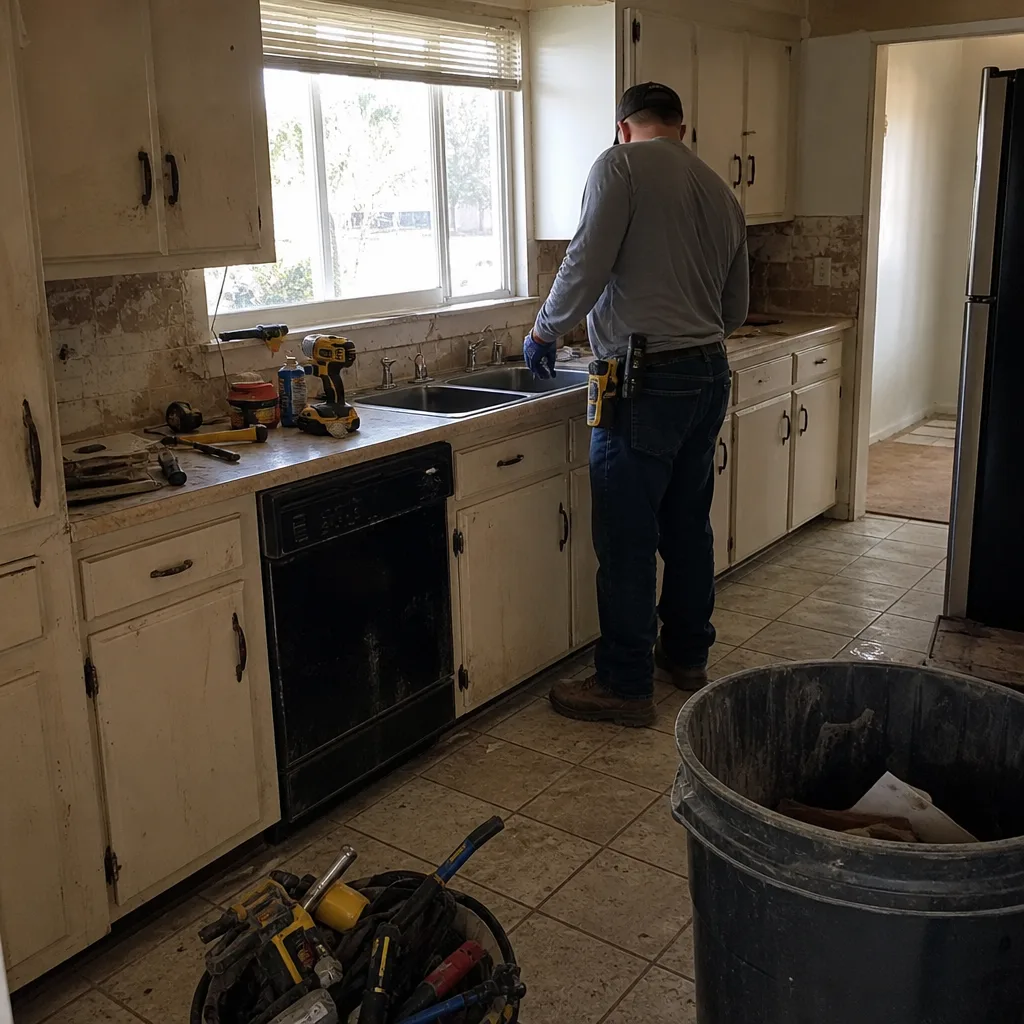 Before
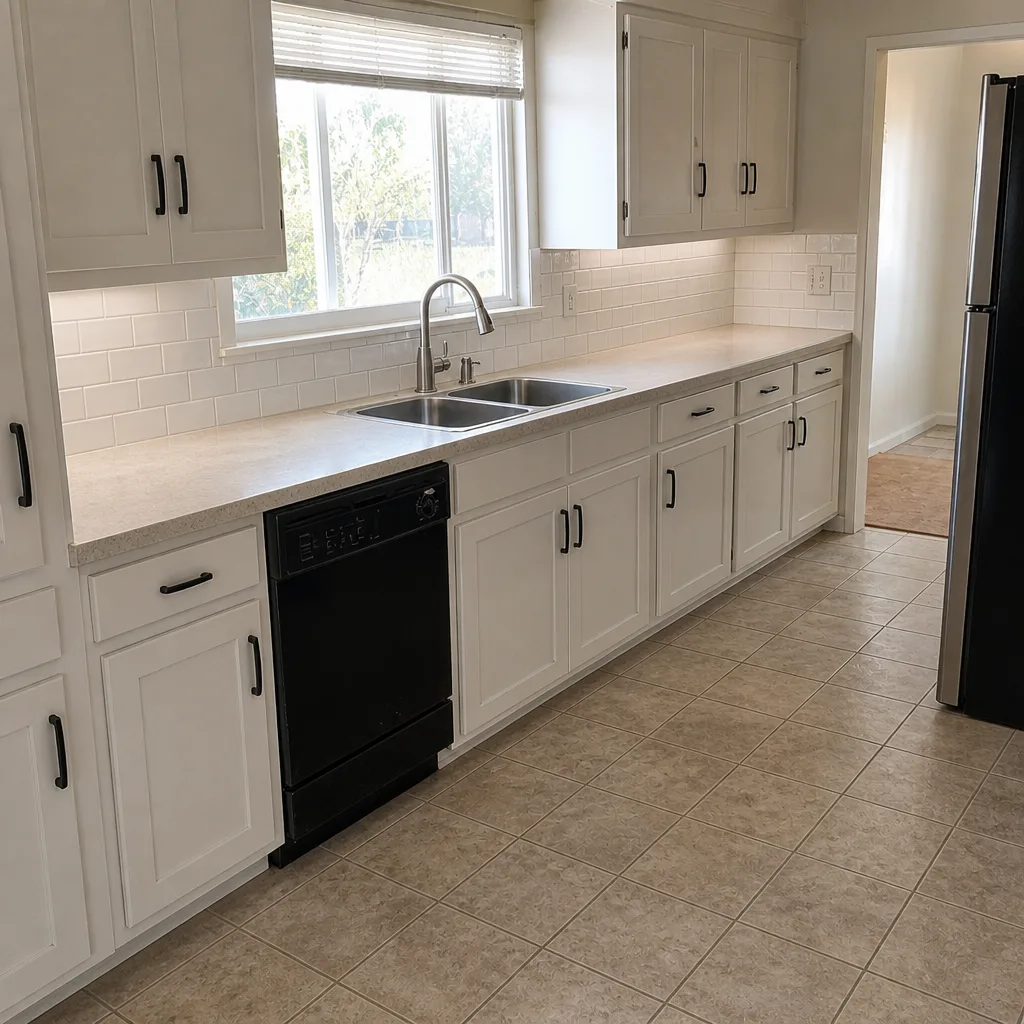 After
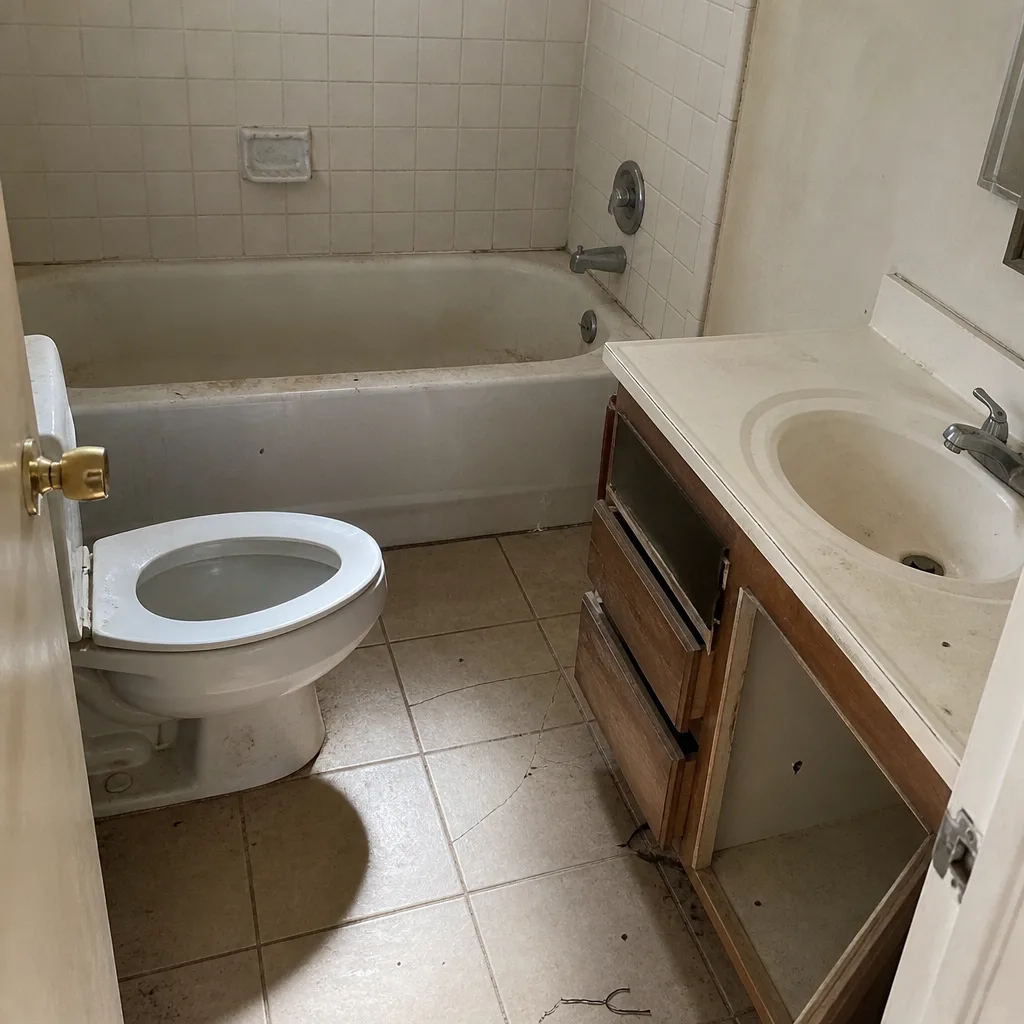 Before
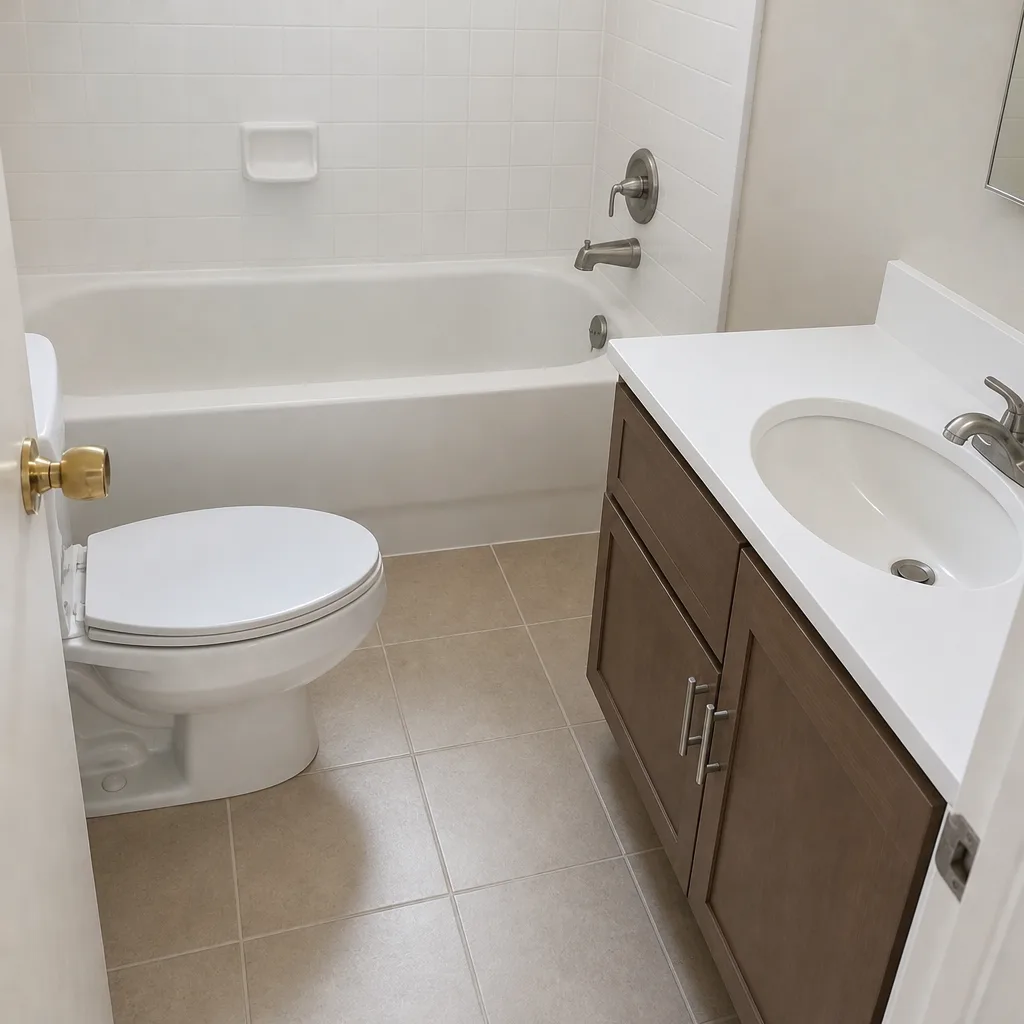 After
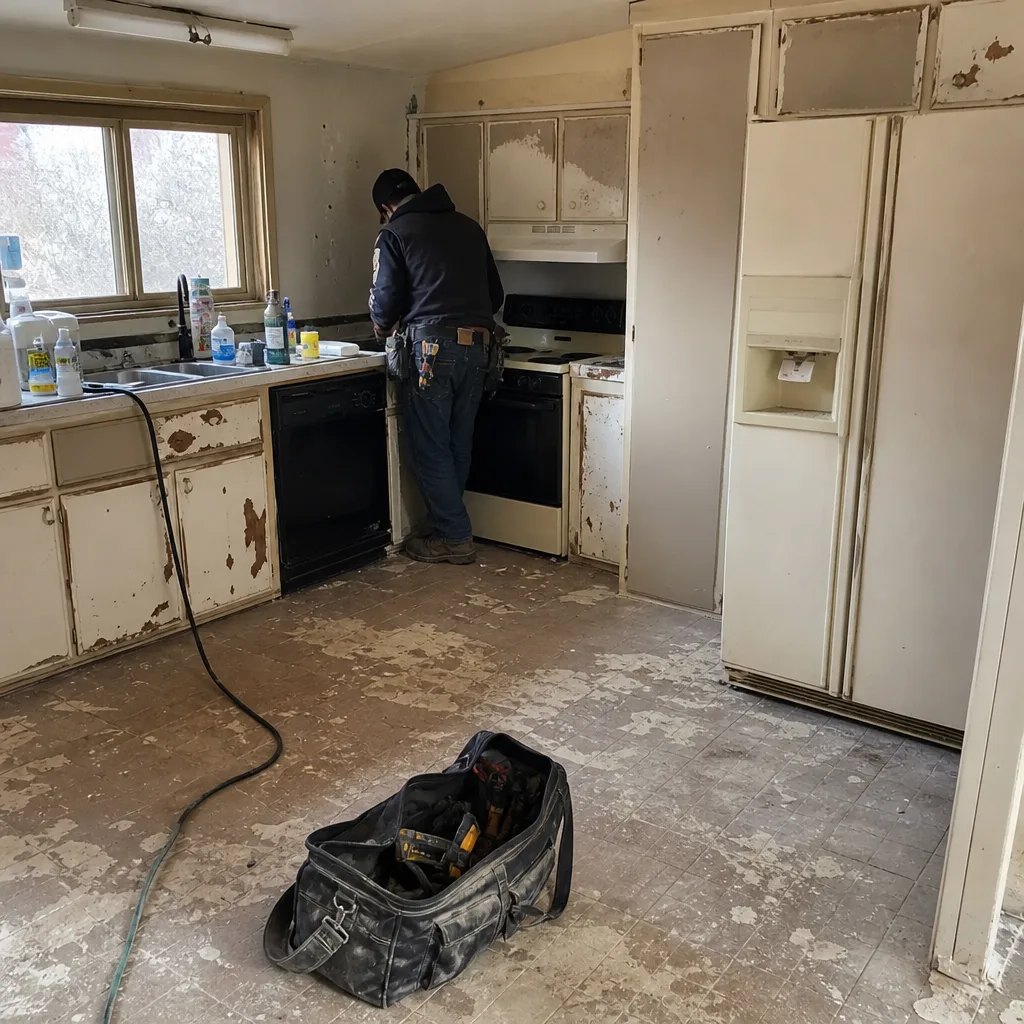 Before
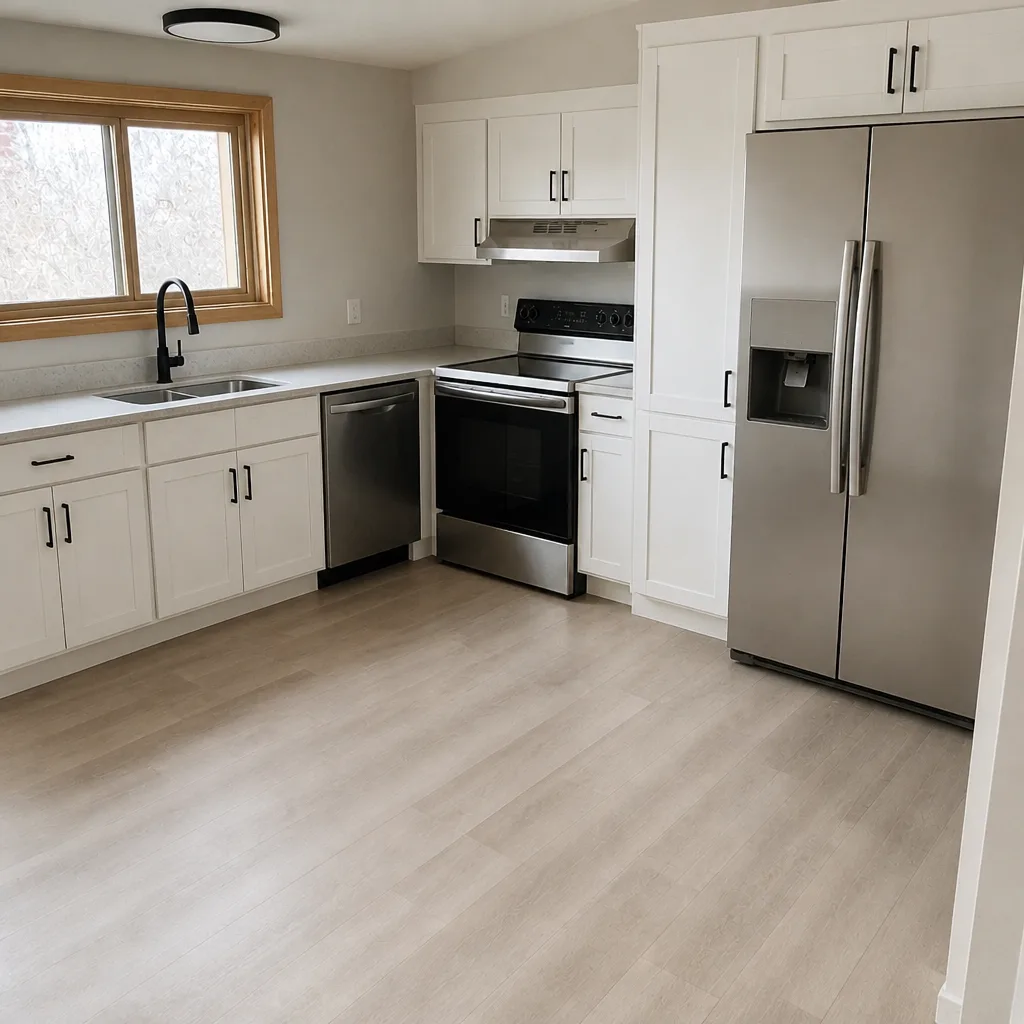 After
When to Call a Professional
Some brand questions you can research on your own. Others need boots on the ground. Call a professional when the project involves the roof, the structural envelope, or any installation method covered by a manufacturer warranty – because the wrong choice voids coverage, and retrofitting after the fact costs more than choosing right the first time. Call when you’re trying to match a specific brand to a specific Boulder City install condition and no published data sheet quite answers the question. Call when the scope is large enough to touch multiple trades and you want one contractor accountable for the whole material stack. And call before you buy material directly, since most contractor warranties don’t extend to homeowner-supplied product. Boulder City Construction offers free estimates in Boulder City – call (888) 329-9854. Our technicians have up to 13 years of experience, and the written estimate is line-item by brand, product line, and installation method so you can compare apples to apples. We answer 24/7. Fast dispatch from 7am to 7pm, Sunday through Friday.
Frequently Asked Questions
The upper temperature limit and the warranty’s climate exclusions go together. A product’s upper temperature rating tells you what the material is engineered to handle; the warranty exclusions tell you what happens when it doesn’t. Both belong on the same page of your evaluation. If a manufacturer publishes only one and not the other, that’s information too. Call (888) 329-9854 for an exact quote – estimates are free.
No. Premium brands clearly earn their price in roofing, windows, exterior cladding, hardscape, and cabinetry hardware. In interior paint, standard drywall, and basic fasteners, mid-tier products perform on par with premium for Boulder City conditions. The right question is “does the premium line buy a measurable difference in this category?” – not “is premium always better?” Call (888) 329-9854 to talk through which categories matter for your project. Estimates are free.
They affect lead time, freight cost, and substitution pressure more than most homeowners realize. Boulder City sits roughly 25 miles from the nearest major metro supplier hub. A brand stocked in the metro area arrives in days; a brand ordered from a distant warehouse can add weeks and shipping cost. A contractor with a working dealer relationship gets allocation priority during shortages. Ask how your material reaches Boulder City before you sign. Call (888) 329-9854 for an exact quote – estimates are free.
Because many warranties carve out climate conditions or require specific installation methods the manufacturer doesn’t spell out on the marketing page. A warranty can look generous up front and be void on inspection if the installation method wasn’t followed or the temperature range was exceeded. Read the exclusions before installation, not after. Call (888) 329-9854 to have the warranty reviewed as part of your free estimate.
Yes, if the roster is specific. A named roster – brands across roofing, windows, cabinets, countertops, and pavers – signals that the contractor has qualified for dealer or installer status, has been trained on those products, and is accountable to the manufacturer for installation quality. A vague claim of “all major brands” signals the opposite. Boulder City Construction works with more than 50 vetted manufacturer brands across every trade we perform, from GAF and CertainTeed on the roof to Cambria and KraftMaid in the kitchen. Call (888) 329-9854 for an exact quote – estimates are free.
Usually not worth it, for a specific reason: manufacturer warranties typically attach to the authorized installation, not the material alone. Homeowner-supplied product often voids the labor warranty and complicates the manufacturer warranty process. You also lose the contractor’s distributor pricing and lead-time advantage. Call (888) 329-9854 to compare the full cost before deciding. Estimates are free, and we itemize brand and product line so the comparison is clear.
The Bottom Line
Brand selection in Boulder City is a performance question, not a prestige question. Match the product’s published tested limits – UV stability, thermal expansion, upper temperature – to the desert conditions the material will actually face. Read the warranty exclusions before you commit. Check the installer’s brand relationships and how material reaches your address. And notice which categories reward premium brands and which don’t: roofing, windows, cladding, hardscape, and cabinetry hardware earn it; interior paint and basic drywall don’t. A contractor with a real, named brand roster is a contractor with supply relationships, training, and manufacturer accountability – which is what actually protects the finished project after the last truck pulls away.
The choice that matters most isn’t the brand on the box. It’s the contractor who brings it, installs it to spec, and stands behind the work if the warranty gets tested. From the roofline to the driveway, one contractor, every phase – and one point of contact when a question comes up. Call (888) 329-9854 for a free estimate. We answer 24/7. Fast dispatch from 7am to 7pm, Sunday through Friday.
Written by the team at Boulder City Construction.